
The NBA has made finishing last less rewarding. That has not made its weakest teams harder to beat. Through Tuesday’s games, nine teams had won no more than a third of their games, an early sign that changing the draft lottery can change the payoff for losing without giving bad teams the players they need to win.
The standings are not a verdict on the reform. A November losing streak can reflect injuries, a difficult schedule or a roster that simply cannot defend. The better test comes late in the season, when teams out of playoff contention decide whether to keep veterans in close games, bring injured players back or start looking ahead to the draft.
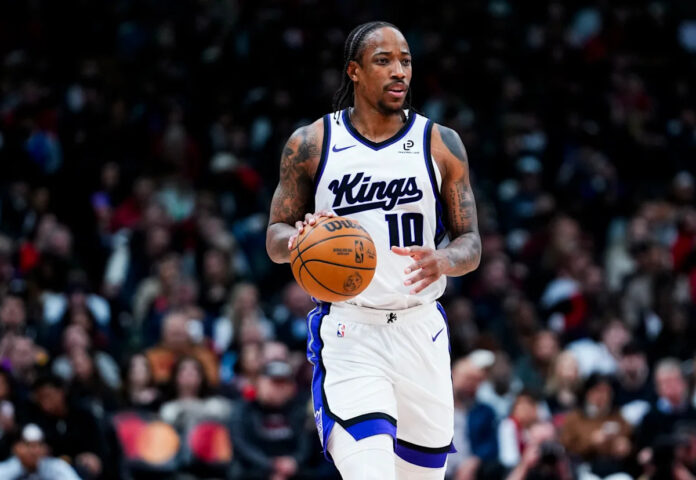
Chicago, Sacramento and Milwaukee illustrate why there is no single response to the new odds. The Bulls opened 1-9 before winning two straight, a reminder of how quickly a small sample can change. Sacramento still has to decide what to do with its veterans. And Milwaukee’s place in the standings matters less to its own rebuilding plans if another team controls the draft pick that comes with it.
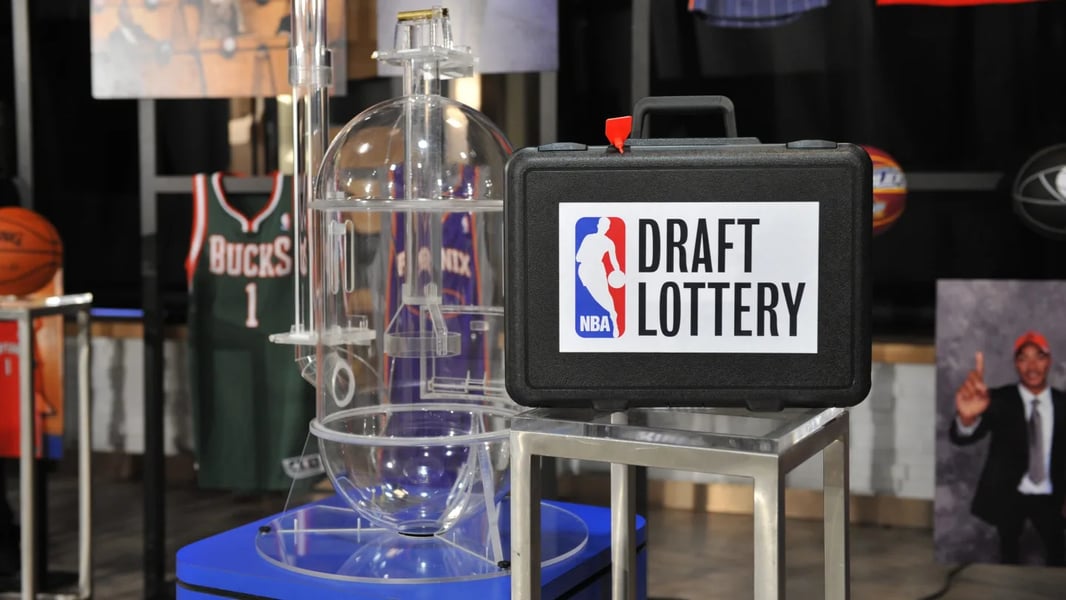
Under the NBA’s new 3-2-1 system, the three teams with the worst records receive two lottery balls each, while the next seven teams outside the play-in receive three apiece. That gives each of the bottom three a 5.4% chance at the first pick, compared with 8.1% for each team in the next group. The trade-off is a safety net: a bottom-three team’s pick cannot fall below No. 12, while other lottery picks can fall as far as No. 16.
The distinction matters at the trade deadline. A team near the bottom might see more value in keeping a useful veteran than in accepting a modest return and making its roster worse. That is different from spending future picks to chase a few extra wins. And for teams that have traded away their own first-rounders, the improved odds may benefit someone else. The rule changes the value of a win near the bottom, but not equally for every front office.
The NBA approved the format for the 2027, 2028 and 2029 drafts. Before owners decide what follows, one useful measure will be how teams near the bottom handle the final weeks of the season. A crowded bottom tier in November tells us those teams are struggling. How they finish will tell us more about whether the lottery changed their decisions.