
SACRAMENTO — Every roster move tells a story about what a team believes is possible. The Sacramento Kings’ decision to sign Ben Simmons to a one-year deal last week is a bet on the player who once made opposing coaches sweat through their suits — and on whether that player still exists inside a body that has spent the better part of two years falling apart.
Simmons, 30, has not played a full season since 2020-21, when he averaged 14.3 points, 7.2 rebounds and 6.9 assists for the Philadelphia 76ers and made his third consecutive All-Star roster.
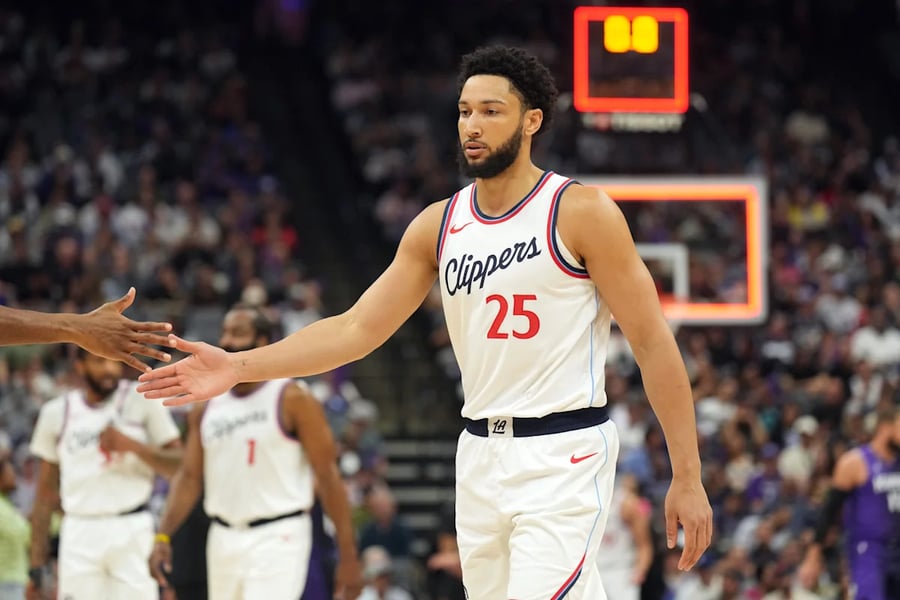
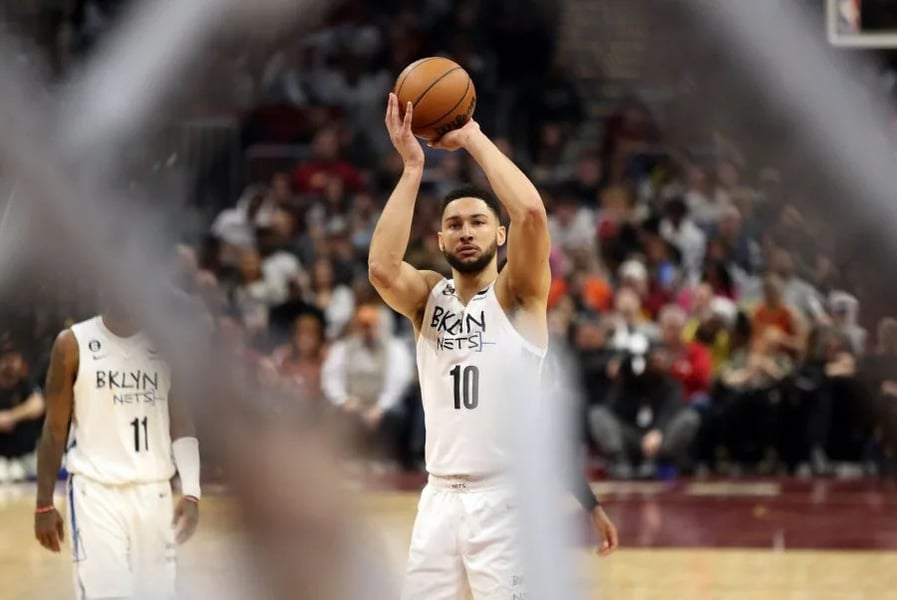
What followed was a professional implosion so spectacular it threatened to define his legacy more than any triple-double ever could: the trade demand, the mental health disclosures, the move to Brooklyn, the back surgery, the 22-game cameo with the LA Clippers in 2024-25, and then another year sitting out entirely.
Sacramento is not pretending those years did not happen. The Kings know exactly what they are getting. Or, more precisely, they know exactly what they might be getting — and that honest distinction makes the signing interesting rather than desperate.
The contract reflects that ambiguity precisely. The deal is non-guaranteed: Simmons earns $1 million if he makes the opening night roster, with the total rising to $3.5 million if he stays healthy and active. The New York Knicks and Golden State Warriors also expressed interest before Sacramento moved, and a late-August workout in front of general manager Scott Perry drew positive internal reviews. People present described Simmons as looking sharp. That is not the same as looking like 2021 Ben Simmons, but it was enough for the Kings to outbid two other franchises to sign him.
At 6-feet-7 with a 6-feet-11 wingspan and the lateral quickness of a point guard, the version of Simmons who drew Defensive Player of the Year consideration in Philadelphia was among the most versatile perimeter defenders the league had seen in years. He could switch onto any position, protect the rim in drop coverage and initiate offense in transition without a shot from behind the arc complicating matters. That last part remains true today, for better and worse: Simmons has not developed a reliable jump shot, and his free-throw shooting remains the sport’s most stubborn unsolved problem. But Sacramento is not paying him to score.
The Kings finished last season with a defense that ranked in the bottom third of the league. Domantas Sabonis is a gifted offensive anchor whose defensive limitations in space have been well-documented. Zach LaVine, who opted into a $49 million deal this summer, is a scorer-first wing who does not particularly distinguish himself on the other end. What Sacramento needs, what it has needed for multiple seasons now, is a switchable, engaged defender who can clean up mistakes and not need the ball to contribute. As Yahoo Sports analyzed, the fit between Sacramento and Simmons is logical in a way that has not always been true of his previous landing spots.
Simmons, when healthy and motivated, is precisely that player.
The question of motivation has followed him since the 2021 playoffs, when a pivotal layup attempt in Game 7 against Atlanta became the symbol for every concern raised about his competitive instincts. He has addressed it in interviews and dismissed the framing in others, largely letting his brief return to the court in Los Angeles do the talking. In 24 games with the Clippers in 2024-25, he posted a respectable defensive rating and showed flashes of his old vision in transition. Then his leg gave way again, and he disappeared for another year.
What nobody knows yet, Sacramento’s front office included, is whether the version of Simmons who walked into training camp this week resembles the one who dominated defensive assignments in Philadelphia or the compromised iteration who moved like he was running through sand in Brooklyn.
There is precedent for this kind of recovery. Players have returned from extended absences and contributed meaningfully on defense long after their offensive games faded. Andre Iguodala found a championship role with Golden State by accepting similar limitations and leaning into defensive identity. The Warriors, incidentally, face their own health uncertainty this season as Jimmy Butler navigates his ACL recovery ahead of the regular season opener. For Sacramento, a healthy Simmons doing what he does best would address a defensive need no player currently on the roster can fill.
Simmons has given no public indication of where that personal reckoning stands. What he has given Sacramento is an intriguing defensive profile, a veteran presence alongside LaVine and Sabonis, and a contract that costs roughly what the Kings would pay a reliable backup big man on a standard deal.
The unknown is not whether Simmons can contribute at the margins. The unknown is whether his body will let him stay on the floor long enough to matter.
Sacramento needs to make the playoffs this season to justify the direction the roster has been assembled. LaVine’s contract creates pressure. Sabonis’ prime window is not endless. The broader Western Conference picture has shifted considerably, with Giannis Antetokounmpo now settled in Miami after his blockbuster move to the Heat reshuffling the Eastern landscape and opening competitive daylight in the West. If Simmons rediscovers even 75 percent of his best defensive self and stays healthy for 50 games, the Kings will look like they stole something. If he breaks down again by January, they will move on with no meaningful scar tissue.
That calculus explains everything about this signing. It is not a redemption narrative, whatever the narrative-hungry corners of NBA media would like it to be. It is a low-cost option on a player whose ceiling, on his best days, still looks like a difference-maker.
Whether those days still exist is what the 2026-27 season will determine.