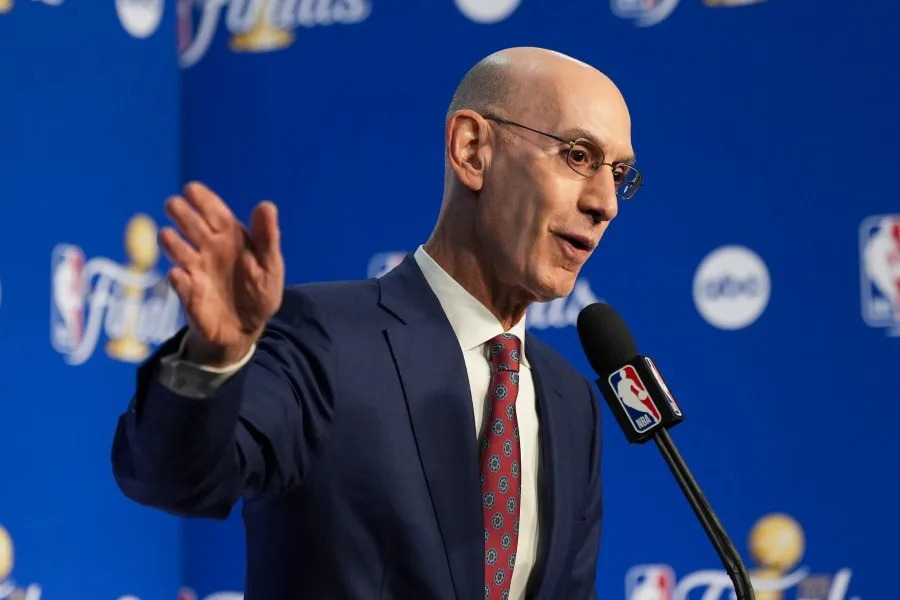

NEW YORK — The last time the NBA admitted a new franchise, LeBron James was 19 years old and beginning his first professional season in Cleveland. That was 2004, when the Charlotte Bobcats entered a league that has not changed its membership since. On Monday and Tuesday, the NBA’s 30 ownership groups will gather in New York for a Board of Governors meeting that could make the two-decade wait worthwhile.
Potential expansion to Las Vegas and Seattle tops the agenda. The Clippers’ historic salary cap punishment and the future of the NBA’s European ambitions are also expected to command significant attention over the two days. What the governors decide, and how firmly they act, could shape professional basketball for the next quarter-century.
The push toward 32 teams cleared its first formal hurdle in March, when the Board voted unanimously to explore expansion exclusively in Las Vegas and Seattle. Since then, interested ownership groups in both markets have been working with PJT Partners, the financial firm advising the league, to submit progressively detailed bids. Las Vegas bidders now face a second September deadline, a more comprehensive portfolio submission that brings the process a step closer to formal fee negotiation, according to Yahoo Sports tracking the expansion process.
Those fees will not be modest. Some existing franchises are projecting a payout of between $500 million and $600 million each from expansion, which would put the total cost of two new clubs between $15 billion and $18 billion. Individual franchise valuations for the new teams have been floated as high as $10 billion per club, with Las Vegas expected to command a premium over Seattle given its market size and arena infrastructure advantage, Bleacher Report reported.
For Seattle, the financial calculus comes after 18 years of waiting. The SuperSonics departed for Oklahoma City in 2008 in a relocation that remains one of professional sports’ most contested ownership decisions. Commissioner Adam Silver has acknowledged the city’s candidacy openly, confirming a “secret bidding war” among groups competing to bring basketball back to the Pacific Northwest. One Roof Sports, the parent company of the NHL’s Kraken and Climate Pledge Arena, is the only group that has publicly expressed interest in owning the Seattle franchise.
Silver has said he hopes the league can make a final expansion decision by the end of 2026. That makes September’s gathering a pivot point: neither a greenlight nor a dead end, but a credentialing moment for both cities’ ownership groups. Whether the Board takes any formal vote on expansion fees this week, or sets a year-end timeline for that decision, is what Tuesday’s adjournment will actually clarify.
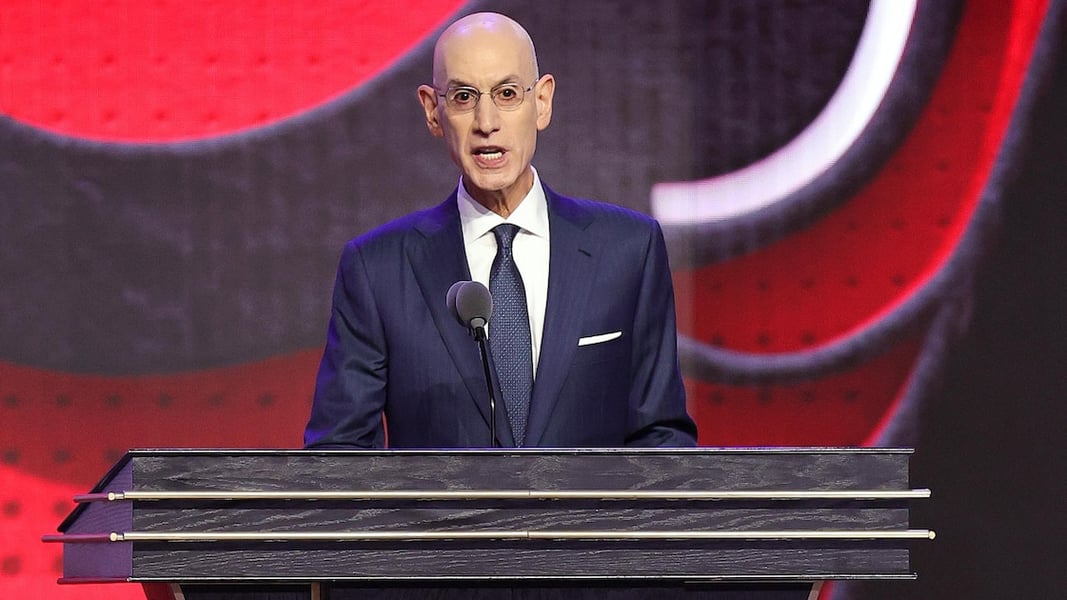
The second major item at Monday’s meeting arrives from a different kind of frontier. The NBA is on track to launch NBA Europe in October 2027, a 16-team competition featuring 12 permanent clubs and four rotating spots designed to plant the league’s flag in a continent where basketball has grown faster than any other major sport. The structural challenge is the EuroLeague, the existing peak of European club basketball, whose team owners are scheduled to meet in Italy on October 5 to discuss whether to enter a partnership with the NBA on the FIBA-backed competition. Monday and Tuesday’s Board meeting is expected to include a Silver briefing on where a formal offer to EuroLeague clubs stands, and on which European cities have submitted viable host bids.
The partnership question involves a genuinely difficult calculation. NBA Europe without EuroLeague participation risks splitting the continent’s most commercially valuable clubs between two competing leagues. A partnership that EuroLeague owners find acceptable would likely require the NBA to cede meaningful control over a product it intends to own. Neither outcome is settled entering the week.
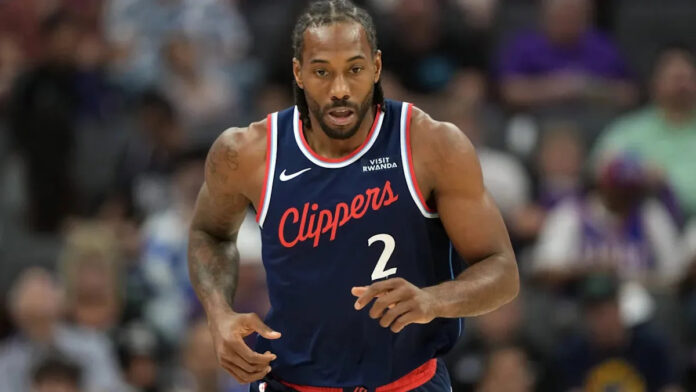
And then there is the matter the league navigates with particular care. The NBA’s investigation into the Los Angeles Clippers centered on endorsement arrangements for Kawhi Leonard that investigators determined circumvented the salary cap, specifically through what investigators described as no-show deals with Aspiration, Boingo, Daktronics, and Lockton, companies whose contracts with Leonard required little to no actual promotional work while providing him outside compensation. The punishment was the most severe in league history: five first-round picks stripped from the 2029 through 2033 drafts, a $30 million team fine, year-long suspensions for owner Steve Ballmer and president of business operations Gillian Zucker, a six-month suspension for basketball operations president Lawrence Frank, and a $700,000 personal fine for Leonard.
The Justice Department has since opened a criminal investigation into the Clippers’ dealings with Leonard, elevating the matter beyond league discipline into federal territory. Whether the Board’s discussion touches on the appeals process, internal governance reform around endorsement oversight, or how league proceedings interact with the DOJ probe will depend on where those investigations stand as of Monday.
Separately, the second apron has surfaced as a point of friction among ownership groups. Set at $221.686 million for the 2026-27 season, the provision’s restrictions on trades, sign-and-trade deals, and cash transactions have proven more limiting than some teams anticipated when the collective bargaining agreement was ratified. Whether the Board takes up any formal discussion of possible adjustments remains unclear.
What the meeting will not produce is resolution on any front. A formal vote on expansion franchise fees is possible but not announced. A concrete EuroLeague partnership offer will wait until after October 5. The Clippers investigation, now partly in federal hands, moves on a timeline the NBA does not control. What New York will produce is a clearer read on how 30 ownership groups, and the commissioner who serves them, intend to navigate the most consequential stretch in the league’s expansion history.