
Consumer confidence in the US has plunged to its weakest level on record, exposing mounting public frustration over inflation, soaring fuel costs, and growing fears of economic instability under President Donald Trump’s administration.
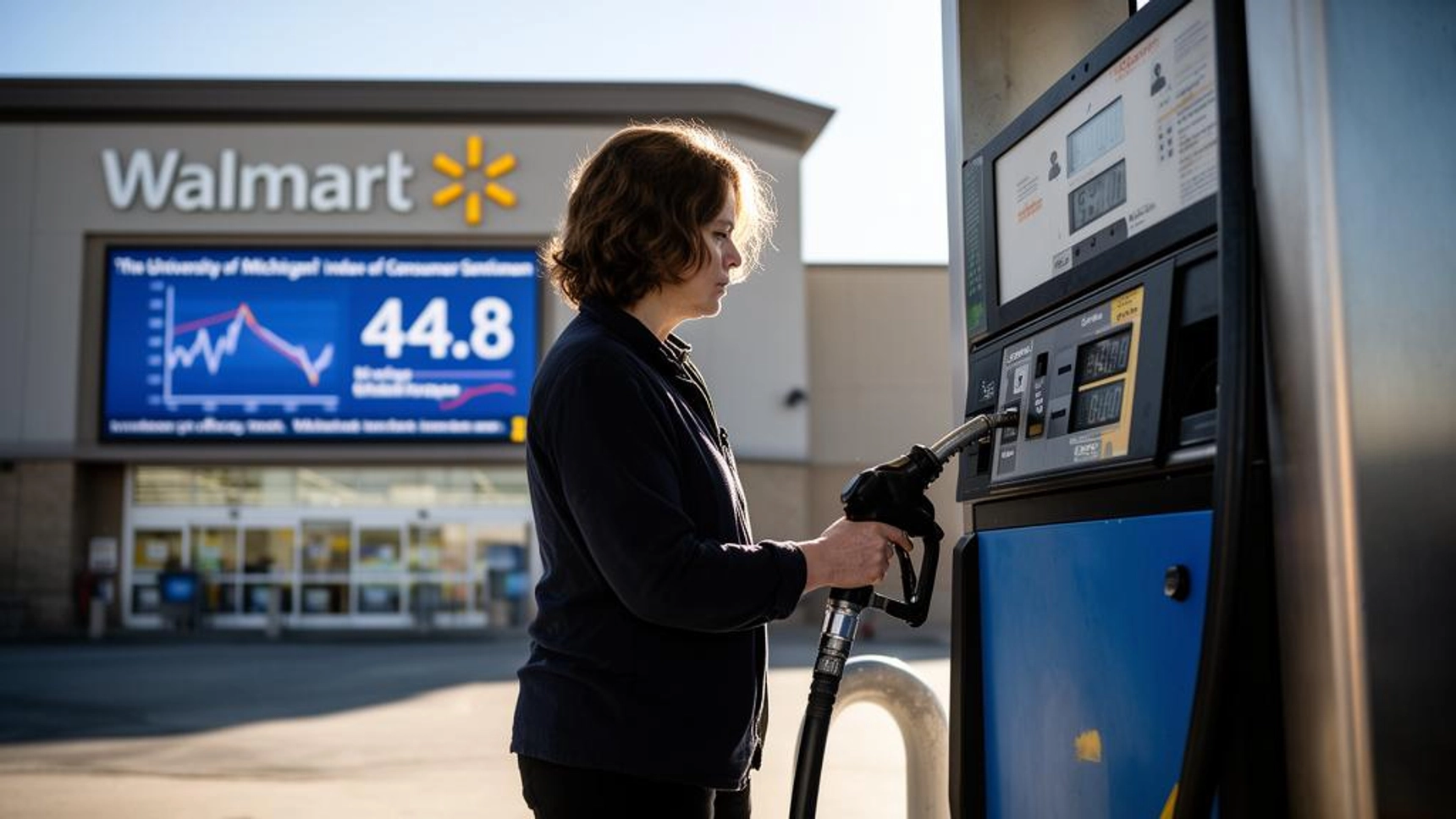
Fresh data released by the University of Michigan survey showed its closely watched consumer sentiment index collapsing to 44.8 in May, down sharply from 49.8 in April and below already weak preliminary estimates earlier this month. Economists say the decline reflects deepening anxiety among households struggling with rising living expenses and fears that inflation could spiral further in the months ahead.
The historic collapse in sentiment comes as gasoline prices surge across the US following escalating tensions in the Middle East and disruptions linked to the Iran conflict. Americans are increasingly worried that rising fuel prices are spilling into food, transport, and household essentials, creating a broad cost-of-living crisis that is hitting working-class families especially hard.
According to the survey, inflation expectations for the next year climbed again in May, while long-term inflation fears also accelerated. Analysts warn that once consumers begin expecting permanently higher prices, inflation becomes harder for the Federal Reserve to contain without aggressive interest rate measures that could damage economic growth and employment.
The worsening economic mood is increasingly cutting across political lines. Even Republican voters, who had largely backed Trump’s economic messaging earlier this year, are beginning to lose confidence as prices remain elevated and household budgets tighten. Recent polling indicates support for Trump’s handling of the economy has weakened substantially among conservative voters since February.
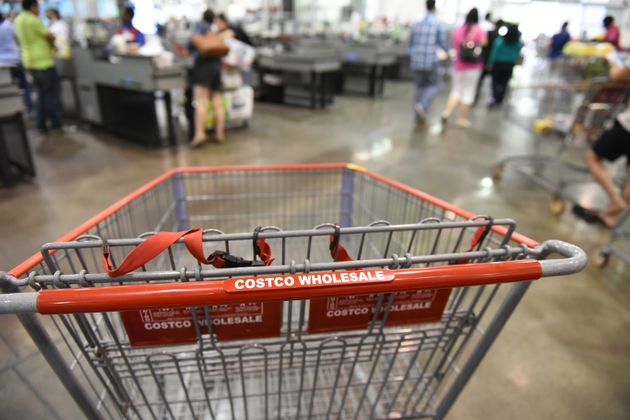
Economists note that consumer confidence is becoming one of the biggest warning signs for the broader US economy because consumer spending accounts for nearly 70% of economic activity. If households begin cutting back purchases due to fear and uncertainty, recession risks could increase rapidly during the second half of 2026.
The University of Michigan survey found lower-income Americans and households without college degrees suffered the steepest decline in confidence, underscoring how inflation is disproportionately hitting ordinary workers rather than wealthier Americans benefiting from stock market gains. While Wall Street has remained relatively resilient in recent weeks, most Americans say financial markets no longer reflect the reality of daily living costs.
Rising energy prices remain central to the crisis. Average gasoline prices in parts of the country have surged above levels seen earlier this year, intensifying anger among consumers already dealing with high grocery bills, expensive housing, and elevated borrowing costs.
The worsening numbers also create a major political challenge for the White House, which has repeatedly argued that economic fundamentals remain strong. Trump returned to office promising lower inflation, cheaper energy, and renewed prosperity, but critics say households are instead facing shrinking purchasing power and increasing uncertainty over future job security.
At the same time, Americans are becoming more concerned about fears of unemployment despite official labor market resilience. Reports from multiple surveys indicate workers now fear layoffs and wage stagnation more than they did earlier this year, reflecting concerns that companies could reduce hiring if inflation and geopolitical instability continue to weigh on business activity.
Financial analysts say the psychological impact of inflation is now proving more powerful than headline economic indicators. Even where wages have risen modestly, many consumers believe their incomes are failing to keep pace with rising prices. The result is a collapse in confidence that economists increasingly compare to periods of major economic distress.
The Federal Reserve now faces a difficult balancing act. Policymakers must decide whether to maintain high interest rates to combat inflation or ease monetary conditions to support economic growth. However, with inflation expectations rising again, any premature rate cuts could risk reigniting price pressures across the economy.
Consumer surveys also suggest Americans are increasingly skeptical that conditions will improve anytime soon. Long-term expectations for both personal finances and the national economy deteriorated further in May, indicating that pessimism is becoming deeply entrenched.
Market strategists warn that prolonged declines in sentiment can eventually trigger broader economic slowdowns as consumers reduce discretionary spending, postpone large purchases, and increase savings out of caution. Retailers, automakers, and housing markets are especially vulnerable if confidence continues to deteriorate through the summer.
The latest figures represent one of the sharpest reversals in economic optimism seen in recent years. Just months ago, the administration had argued that falling inflation and stable employment would strengthen consumer confidence. Instead, escalating geopolitical tensions, energy market disruptions, and persistent inflation have created an atmosphere of widespread unease across the country.
For millions of Americans, the economic debate in Washington is becoming secondary to the daily reality of paying higher prices for fuel, food, rent, and basic necessities. The record-low sentiment figures now suggest that public frustration with the economy is no longer isolated but rapidly becoming a defining political and economic issue heading deeper into 2026.