
For something so ordinary, the moment is oddly disorienting. You push up from a chair, swing your legs out of bed or rise from a long meeting, and the room tilts for a beat. Vision narrows. Ears hum. A hand finds the wall. Then, just as quickly, the world settles back into focus.
That little stumble has a clinical name, orthostatic hypotension, and it sends a surprising number of people to the doctor each year. Now cardiologists and emergency physicians are pointing to a remedy so simple it almost feels like a joke: clench your bottom, tighten the muscles in your thighs, and the dizziness can ease before it ever takes hold.
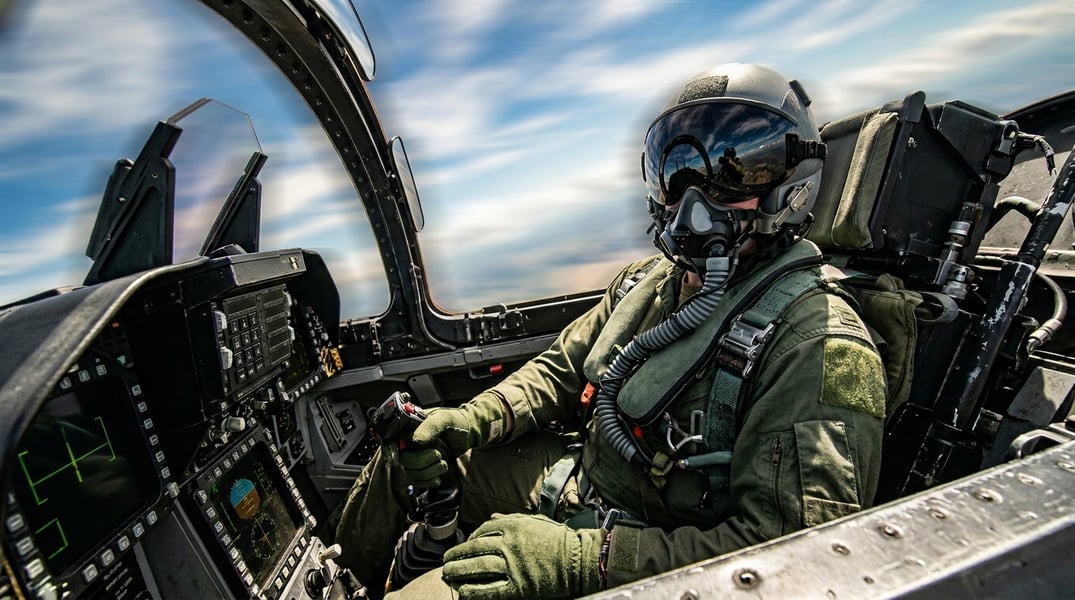
The trick has circulated among aviation doctors for decades and among autonomic specialists for nearly as long. What is new is how loudly it is being repeated to ordinary patients, especially older adults, pregnant women and anyone on medication that nudges blood pressure downward. Mainstream coverage in the British press this month has helped push the advice into kitchens, offices and bedrooms across the world.
To understand why a squeeze of the glutes can keep a person upright, it helps to picture what happens to blood when the body shifts from horizontal to vertical. Gravity pulls a sizable volume of blood, sometimes most of a liter, into the veins of the lower body. The heart, sensing the dip in returning blood, has to work harder for a few seconds while arteries tighten and the pulse climbs. In a healthy young adult the adjustment is invisible. In an older adult, a dehydrated worker, a new mother or a patient on diuretics, the system lags, according to the Cleveland Clinic, and blood pressure drops far enough to starve the brain of oxygen for a moment.
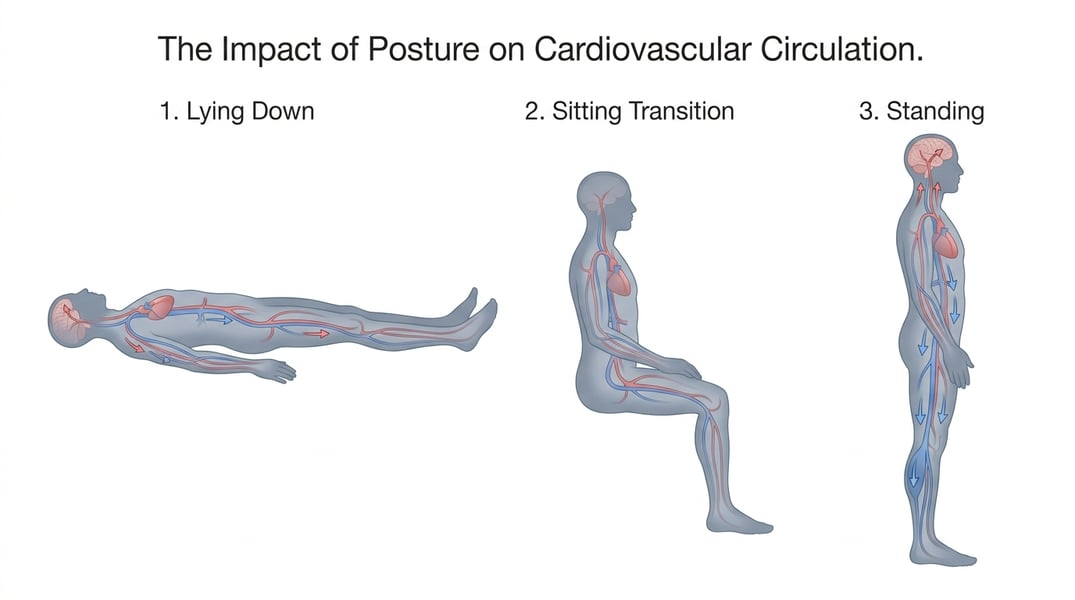
The bum-clenching maneuver works upstream of all of that. By squeezing the large muscles of the buttocks, thighs and calves, you compress the veins they wrap around. Blood that had been pooling in the lower body is pushed back toward the heart, the way you might wring water from a sponge. Cardiac output rises. The brief drop in pressure is blunted. The brain stays fed.
Doctors call the broader category of techniques physical counter-pressure maneuvers, and peer-reviewed medical literature has documented their effect for years. Crossing the legs while standing, gripping a tennis ball, tensing the abdomen, clasping the hands and pulling outward all do something similar. Clenching the gluteal muscles is simply the easiest, least visible version, which is why specialists keep returning to it.
For people who experience the head rush only rarely, the standing-up dizziness usually means very little. It is most common first thing in the morning, after a heavy meal, in hot weather or after a few too many drinks. The fix is often as banal as drinking more water, rising in stages and lingering on the edge of the bed for a moment before walking. Harvard Health Publishing has written that brief, occasional lightheadedness lasting less than fifteen seconds is unlikely to signal anything sinister, provided it does not progress to a fall.
The picture changes when the episodes pile up. Up to one in five adults older than sixty-five experiences some degree of orthostatic hypotension, UCLA Health reports, and the condition has been linked to higher rates of falls, fractures and cognitive decline. In younger patients, recurring symptoms can point to dehydration, anemia, an undertreated thyroid problem, side effects from antidepressants or blood pressure pills, or a more serious autonomic disorder such as postural orthostatic tachycardia syndrome.
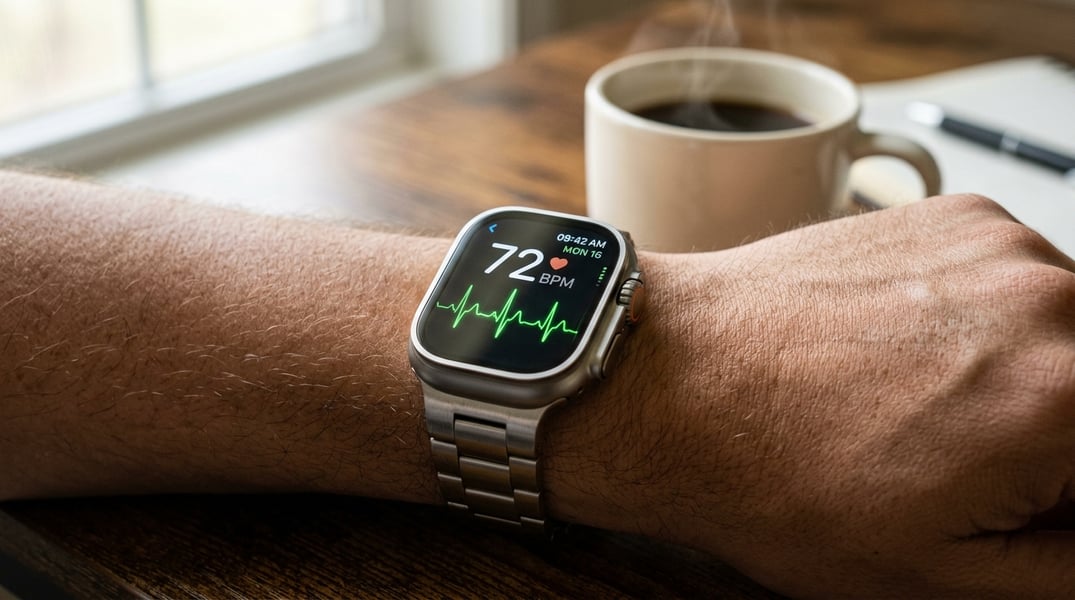
Heat and screens are not helping. A generation of office workers now spends entire shifts seated at desks, blood gathering in their legs for hours at a time. When the meeting ends and they finally stand, the body has to make a sharper correction than evolution prepared it for. The rise of standing desks, hourly movement reminders on smartwatches and wearable devices that flash a warning when heart rate variability dips have been driven, in part, by the slow recognition of how brutal long sitting can be on the cardiovascular reflex.
Even classrooms and lecture halls have begun adapting, with health teachers in several countries now coaching teenagers, particularly those who have fainted at school assemblies, to tense their leg muscles and lower themselves to a seat at the first hint of light-headedness rather than locking their knees.
None of this replaces medical advice for people who lose consciousness, fall, or feel the room spin for longer than a few seconds. Persistent dizziness can be a warning sign of arrhythmia, internal bleeding, a stroke in evolution or a heart valve problem, and clinicians say it should never be brushed off, especially in older adults or anyone who hits their head on the way down.
For the great majority, though, the lesson from cardiology clinics, cockpits and physiotherapy rooms is the same. Stand up slowly. Drink your water. And the next time you feel the floor tilt as you rise, squeeze.
It is a small, unglamorous movement, hidden under clothing, executed in a heartbeat. But it borrows the body’s own plumbing to keep the lights on, and in a world full of expensive interventions, that quiet bit of self-rescue is the kind of medicine the public health field has been waiting for. The Eastern Herald will continue tracking the science of everyday cardiovascular care with verified updates as new research emerges.