
GADSDEN, Ala. — Officials at Gadsden Regional Medical Center said Saturday evening that no patient at the north Alabama hospital had been diagnosed with Ebola or any other viral hemorrhagic fever, ending hours of frenzied speculation that had spread across social media after the emergency department was briefly closed to incoming ambulances.
The hospital, a 346-bed facility owned by CHS that serves Etowah County and surrounding communities in the Appalachian foothills, issued a written statement late in the day to address what it called questions from the community about a patient who had presented to the emergency room earlier that morning. While the statement declined to share clinical details, it confirmed the hospital had been working in close coordination with the Alabama Department of Public Health and the Centers for Disease Control and Prevention throughout the day.
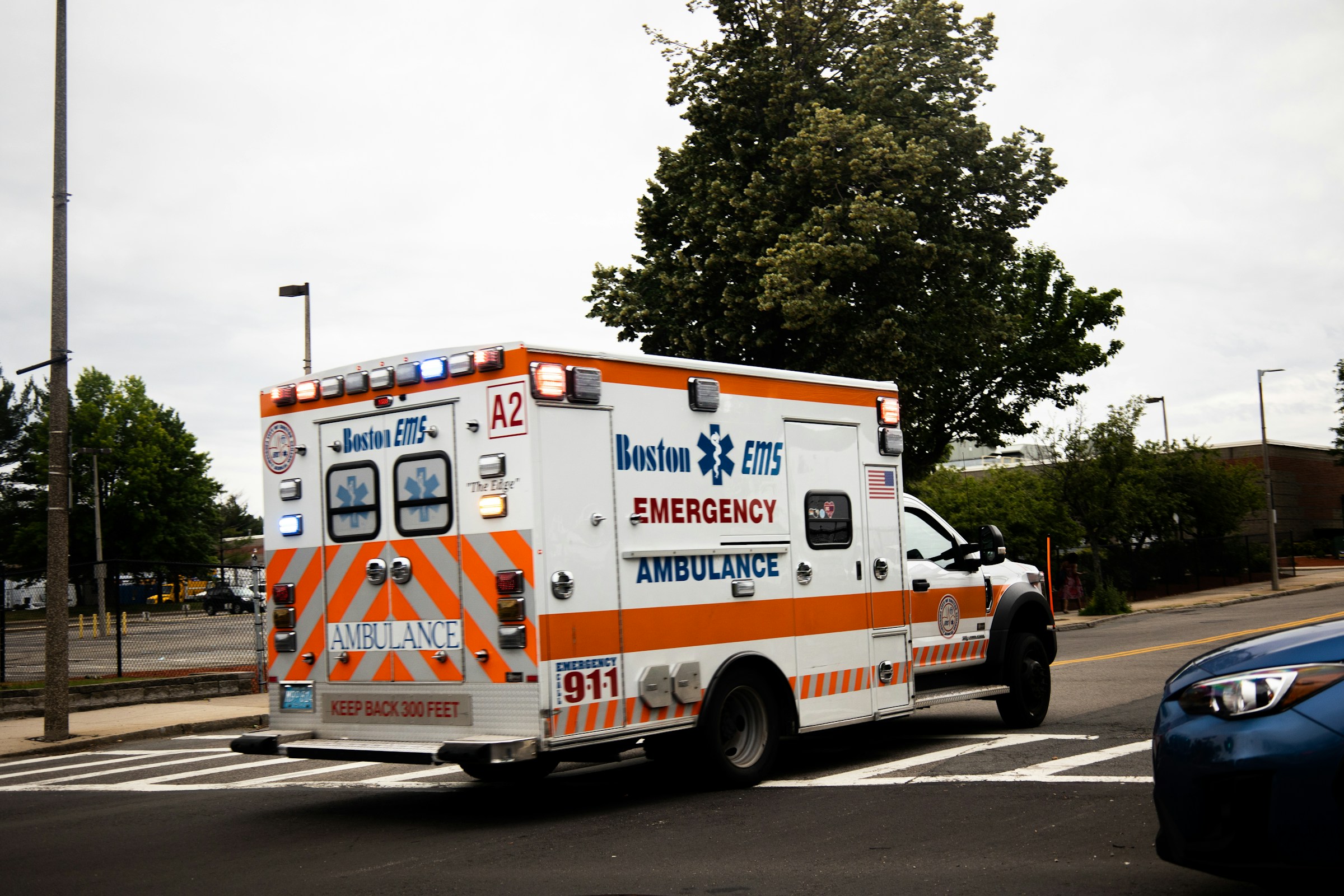
“We can confirm this evening that there are currently no confirmed or suspected cases of viral hemorrhagic fever within our hospital, community or the surrounding region,” the hospital said. The statement added that the emergency room had remained open to walk-in patients throughout the diversion period and was once again fully operational for ambulance transport by the evening.
Etowah County emergency management director Deborah Gaither separately confirmed to local reporters that testing had ruled out Ebola, and that the hospital had followed federal containment protocols as a precaution while specimens were being evaluated. Gaither said the decision to place the emergency department on ambulance diversion was driven by an abundance of caution rather than by any confirmed exposure.
The episode unfolded against an unusually tense backdrop. A new outbreak of Bundibugyo virus, one of six known species of ebolavirus, has been spreading across the Democratic Republic of Congo and into Uganda since mid-May, with more than 240 suspected cases and at least 80 deaths reported in Ituri Province alone. The World Health Organization declared the outbreak a public health emergency of international concern earlier this week, and the CDC last Monday announced enhanced entry screening at major American airports for travelers arriving from affected regions.
That global context turned what might otherwise have been a routine isolation protocol into a viral story. By Saturday afternoon, posts on X, Facebook and TikTok were circulating unverified claims that a patient at the Gadsden hospital had tested positive for Ebola, with some accounts citing anonymous staff and others sharing screenshots of scanner traffic. None of the claims were substantiated. Hospital staff continued to treat walk-in patients while the building remained on ambulance diversion, and no quarantine was imposed on the surrounding area.

Federal guidance for handling a suspected Ebola case in an American emergency department is deliberately conservative. Under guidance issued by the CDC, hospitals are instructed to isolate any patient with a fever and a recent travel history involving an outbreak country, notify state public health officials, and coordinate specimen collection with one of 41 laboratories in the federal Laboratory Response Network. Testing for Bundibugyo virus is performed either at the CDC’s Atlanta headquarters or at designated regional laboratories, and results can take several hours to return.
Those protocols are familiar to Alabama hospitals. After the 2014 West African outbreak that killed more than 11,000 people, the state designated several regional treatment centers and established a tiered system of frontline assessment hospitals capable of safely isolating a suspected patient long enough for laboratory confirmation. Gadsden Regional, while not one of the dedicated treatment centers, was equipped to perform the initial screening and stabilization role the system was designed around.
The renewed visibility of Ebola in the United States this spring has placed those plans under unusual scrutiny. The earlier Bundibugyo outbreak in Congo has already prompted the State Department to draw down nonessential personnel from Kinshasa, and the White House has resisted a controversial request from Doctors Without Borders to airlift an infected American physician home from Ituri. Uganda has now confirmed five linked cases of its own, and European border authorities have started warning travelers returning from the region to monitor themselves for symptoms. A separate controversy over an infected American physician in Ituri has kept the administration’s posture on medevac under the political microscope.
Public health communication researchers said the Gadsden episode highlighted how quickly a localized clinical decision can collide with national anxieties when an active outbreak is dominating the news cycle. Even after the hospital’s evening statement, several widely shared social media posts continued to claim, without evidence, that a positive case was being suppressed. The Alabama Department of Public Health did not issue a separate advisory but referred inquiries to the hospital.
Gadsden Regional thanked its physicians, nurses and clinical staff for their handling of the incident, and said it would continue to follow guidance from state and federal authorities. “We’re proud to serve our community and to provide help for patients whenever we are needed,” the statement concluded. Hospital officials did not say whether the patient was being transferred for further care, and federal patient privacy law prevents the disclosure of any individual diagnosis without consent.
For residents of Etowah County, the immediate practical message from the hospital was simpler. The emergency department is open, the diversion has been lifted, and the surge of weekend rumors did not, in the end, herald the arrival of Ebola in north Alabama. As one CDC official put it in an update posted on the agency’s website, the United States remains at low risk despite the African outbreak, with travel screening and hospital readiness designed precisely to catch the kind of suspected case that briefly emptied an Alabama emergency room on Saturday morning.
Related Posts