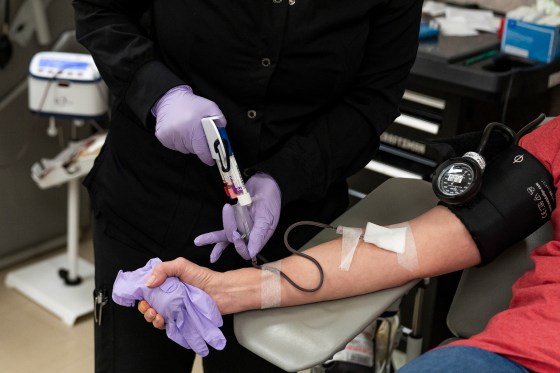

WASHINGTON — When the ambulance brings a trauma patient in with no time for a blood type test, the first call is always the same: reach for O positive. It is the most commonly transfused blood type in the country, compatible with roughly 80 percent of patients, and the one hospitals lean on when seconds matter more than paperwork. The American Red Cross said this week that the national supply of O positive blood has fallen below a single day’s reserve.
The organization declared a national blood supply crisis on July 27, only the second time in its 145-year history it has used that designation. The first came in January 2022, when COVID-19 disruptions, a series of winter storms, and staffing shortages at blood collection centers converged to drain the supply. What 2026 makes clear, four years and one crisis declaration later, is that the vulnerability those conditions exposed was never fully repaired.
The Red Cross supplies approximately 40 percent of the nation’s blood to more than 2,500 hospitals and transfusion centers. The current shortage had been building for weeks: on July 13, the organization declared an emergency blood shortage after the national supply fell nearly 25 percent in June. By July 27, that emergency had escalated to a full national crisis declaration, a distinction the Red Cross has made only twice in its history. Chris Hrouda, president of Red Cross Biomedical Services, placed the need without ambiguity. “Every donation has the potential to help save lives,” he said, “and we urgently need everyone who is eligible to make an appointment to give blood as soon as possible.”
The shortage is concentrated most acutely in O blood types. O positive is the most frequently distributed of all blood types, accounting for roughly 60 percent of all Red Cross distributions. O negative, the universal donor type that emergency rooms reach for when there is no time to determine a patient’s blood type, is also critically scarce. Together they form the foundation of emergency and surgical transfusion care across the country’s hospital network. When their supply falls, hospitals face narrowing options, and patients inside them face the consequences.
Dr. Courtney Lawrence, a division chief medical officer at the Red Cross, described the pressure on hospital blood banks as a condition that recurs every summer but rarely at this severity. “Summer always brings challenges for the blood supply,” she said, “but patients are still in the hospital, needing blood for critical medical care.” The patient populations most directly exposed include trauma victims, mothers in childbirth, cancer patients undergoing chemotherapy, and those with sickle cell disease who require regular transfusions, none of whom can wait for the supply to recover on its own schedule.
The causes are a familiar summer combination that has grown severe enough this year to cross a threshold the Red Cross has crossed only once before. Extreme heat has reduced donor turnout across major metropolitan areas. Poor air quality from wildfire smoke events that swept through portions of the country has kept potential donors indoors or unwell. Widespread foodborne illness, which the Red Cross cited as a specific contributing factor, has temporarily sidelined a significant share of otherwise eligible donors. And the end of the school year removed one of the system’s most reliable donation channels: campus blood drives that operate through the academic calendar disappear in June and do not return until September.
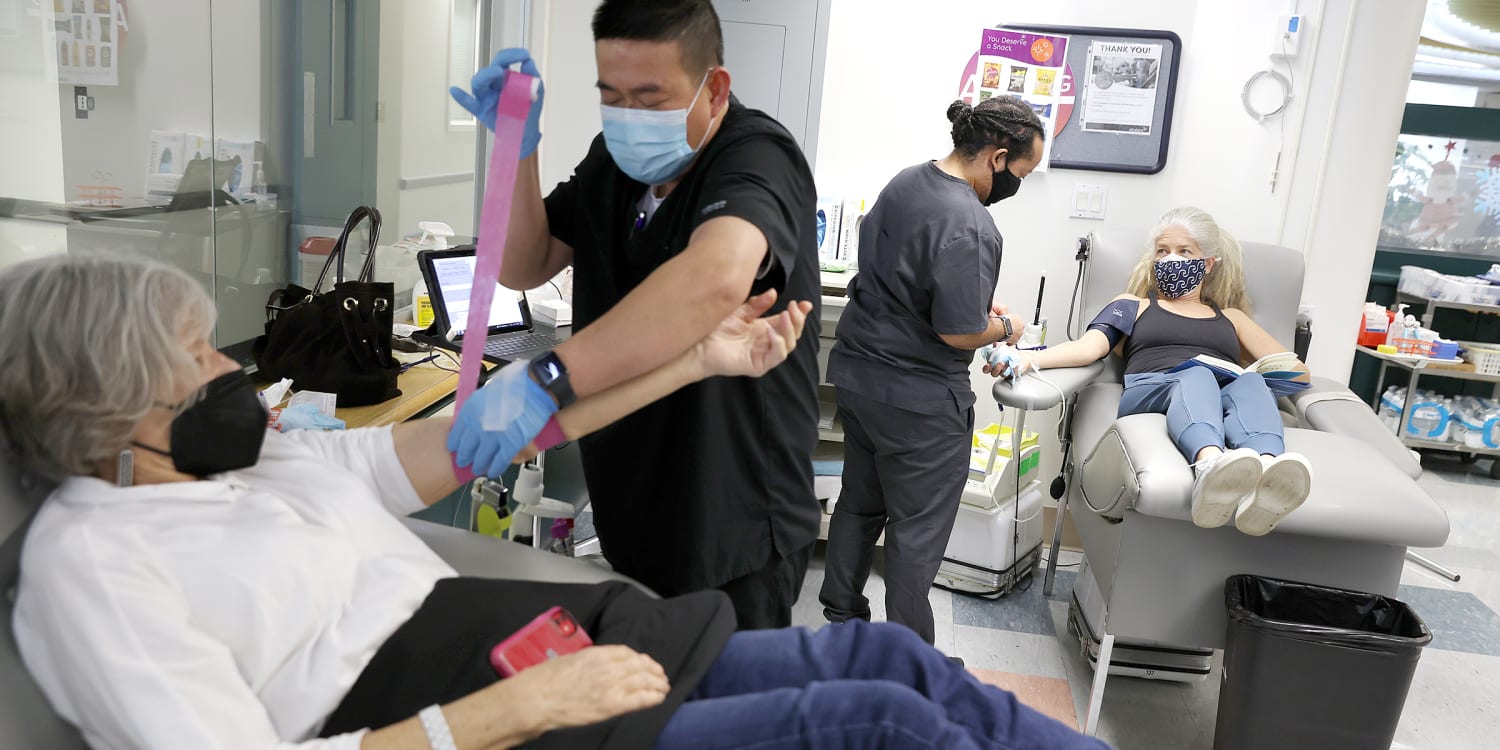
Those forces are operating simultaneously with a structural increase in demand. The period between Memorial Day and Labor Day brings what the Red Cross calls the summer trauma season, marked by elevated rates of car crashes, recreational injuries, and outdoor accidents that push hospital blood demand higher at precisely the moment donations are falling. Weekly hospital distributions are currently exceeding expected levels by approximately 3,500 units, against the 13,000 blood donations and 3,000 platelet donations the Red Cross needs to collect every single day to meet baseline hospital demand.
Since the 2022 crisis, the Red Cross has worked with hospitals to improve supply management, with roughly 65 percent of anticipated blood needs now scheduled in advance rather than ordered reactively. That coordination represents a genuine improvement over what existed before the 2022 declaration. It has not prevented the second declaration from arriving. No logistics improvement changes the one fact that sits beneath all of it: donated blood cannot be manufactured, and no substitute exists for it in an emergency room.
The Red Cross said just three additional donors at each scheduled blood drive this summer would be enough to stabilize the national supply. Platelet donations, which carry a shelf life of only five days and cannot be stockpiled, require their own sustained giving stream and are under equal pressure. Donors can schedule appointments at RedCrossBlood.org, through the Blood Donor App, or by calling 1-800-RED CROSS.
What the second declaration in four years raises is a structural question that the immediate urgency does not answer. The United States has invested heavily in its health research infrastructure in recent years, but the blood supply system has remained reliant on the same calendar-dependent, weather-sensitive, illness-disrupted donation cycle that produced the 2022 crisis. Better coordination between the Red Cross and hospital blood banks has not produced a supply system resilient enough to absorb the predictable pressures of an American summer without crossing into emergency territory. Whether the donations that flow in over the coming days will stabilize the national supply before any rationing decisions reach surgical wards is not something the Red Cross, or anyone else, can say with confidence today.
Related Posts