
WASHINGTON — The number that reaches an American worker is not the one in the survey. Employers are projecting a median health care cost increase of about 10 percent for 2027, the fastest growth in roughly fifteen years, and prescription drug costs are forecast to rise faster still at 11.5 percent. Neither figure is a bill anyone receives. What arrives is a slightly larger deduction, month after month, described on a payslip in a way that explains nothing.
The underlying direction is corroborated outside the employer market. KFF’s analysis of preliminary 2027 rate filings found insurers putting the combined cost of medical care and prescription drugs up 10 percent for next year, against an 8 percent average over the preceding few years, and named specialty medicines including GLP-1s among the drivers.
Employer-sponsored insurance covers roughly half the United States, and the arrangement obscures its own cost. The employer pays most of the premium, the worker pays a share, and when the total rises the split is renegotiated privately between a company and its broker. Employees learn the outcome at open enrolment. The consulting firm Aon has put the average spending of an employee with employer-provided coverage at $5,297 for 2026, up $388 on the previous year, which is the kind of increase that is absorbed rather than protested. NBC News reported last autumn that nearly half of large employers expected plan changes that would push more cost onto workers.
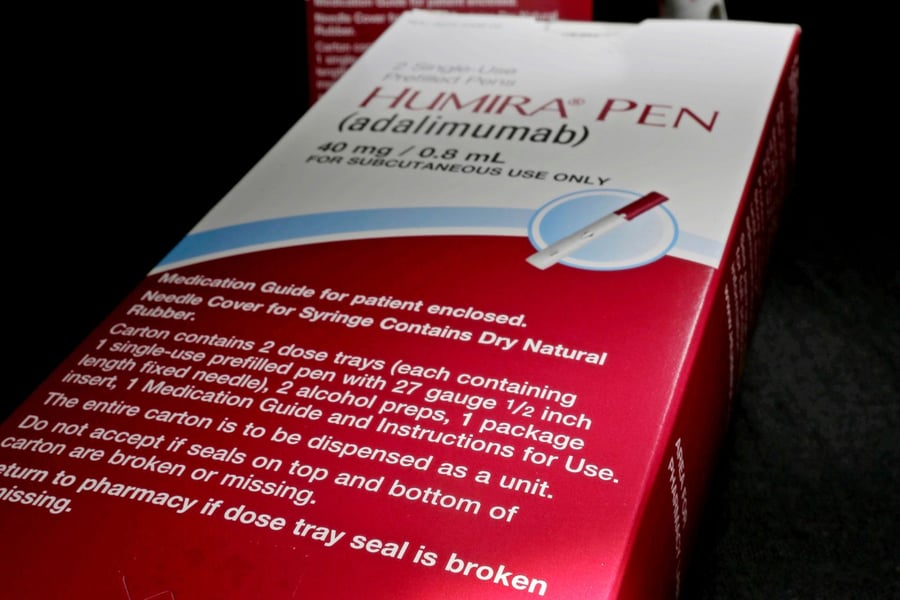
What is driving it is unusually legible this year, and one item dominates the discussion. GLP-1 drugs, prescribed for diabetes and increasingly for weight loss, accounted for 6.9 percent of annual claims in 2023. By 2026 that had climbed to 11.4 percent. Nearly eight in ten employers now say the class is pushing their health costs up, and the cheaper route around the brand-name price closed when the FDA moved to restrict compounded versions of semaglutide and tirzepatide last year.
That has started to produce decisions rather than complaints. Among employers currently covering GLP-1s for weight management, only 72 percent said they were likely to continue that coverage into 2027. Ten percent said they likely would not. A drug that works, that patients want and that clinicians prescribe is being rationed at the level of the benefits department, by companies with no clinical role and every financial incentive. The same calculation now shadows every high-cost approval, including Merck’s $315-a-month cholesterol pill Lipfendra, cleared in July with its coverage decisions still open.
The rest of the increase is less discussed because it is harder to attribute. Cancer treatment remains among the largest single pressures on employer plans, and utilisation has risen as patients who deferred care during and after the pandemic have returned to it. Higher utilisation is what a functioning health system looks like from the patient’s side and what a cost problem looks like from the payer’s, and the same data supports both readings.
Underneath all of it is a comparison that has held for most of two decades. Health spending in the United States has been growing faster than wages, and CBS News put the current gap at roughly double the rate of inflation. When a benefit rises faster than the pay it accompanies, the worker’s real compensation falls even when the headline salary does not, and the mechanism is close to invisible because nobody issues a statement about it.
Several things in the reporting do not resolve cleanly. Projections of this kind are produced by consultancies surveying employers about intentions, not measurements of what was actually charged, and the firms publishing them sell services to the companies they survey. Figures from different consultancies vary by more than a percentage point and are not always measuring the same thing, with some describing total plan cost and others the employer’s share. The Wall Street Journal has reported a higher headline increase than the median cited here, drawn from a separate forecast Eastern Herald has not been able to verify independently.
What is not in dispute is the direction, or who ends up carrying it. Employers will decide over the next few months how much of an increase they intend to absorb. Workers will find out in the autumn.