
Lenovo is preparing a major comeback in the gaming smartphone segment with a new Legion-branded device that focuses on sustained performance, extreme thermal control, and unusually large battery capacity. The move positions Lenovo directly against established gaming phone makers as competition intensifies in the high-performance Android space.
Early reports suggest the new device builds on Lenovo’s previous gaming phone legacy while addressing one of the biggest challenges in mobile gaming, heat management during long sessions. According to early coverage from Lenovo Legion Y70 specifications, the company is aiming to combine flagship-grade hardware with gaming-first engineering in a more refined design approach.
Massive Battery and Performance Focus
One of the standout expectations is a significantly larger battery than typical flagship smartphones. Industry reporting from big battery gaming phone highlights Lenovo’s strategy of prioritizing endurance over ultra-thin industrial design, a shift that aligns with current gaming smartphone trends.
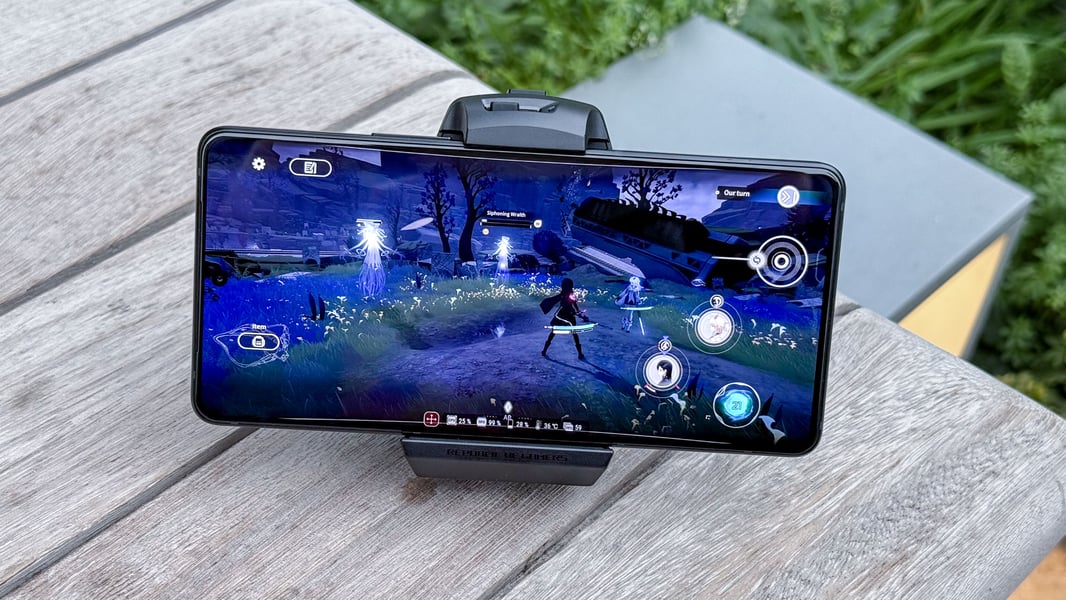
The new Legion phone is expected to rely on flagship Snapdragon silicon, high refresh rate display technology, and aggressive power optimization to maintain stable frame rates during extended gaming sessions.
Advanced Cooling With Vapor Chamber Systems
Thermal management remains a key focus area for gaming smartphones, and Lenovo appears to be investing heavily in this area. Reports from vapor chamber cooling system indicate that the upcoming device may feature an expanded vapor chamber designed to reduce throttling during long gaming sessions.
This approach reflects a broader industry trend where sustained performance is becoming more important than peak benchmark scores. Competing devices such as the RedMagic Gaming Tablet 5 Pro are also experimenting with advanced cooling architectures to support high frame rate gaming experiences.
Lenovo Gaming Ecosystem Expansion
Lenovo is not only focusing on smartphones but expanding its broader gaming ecosystem. The company’s strategy includes tablets, laptops, and accessories under the Legion brand. The Lenovo Legion Tab Gen 5 is part of this ecosystem expansion, reinforcing Lenovo’s intention to build a unified gaming platform across devices.
Android gaming strategy analysis from Lenovo gaming ecosystem expansion suggests that Lenovo is working toward tighter integration between handheld gaming devices and larger screen experiences.
Accessories and companion technologies are also becoming part of this ecosystem. Devices such as the ASUS ROG XREAL R1 gaming glasses highlight where the industry is heading, with augmented gaming experiences becoming part of future hardware strategies.
Competition in a Rapidly Evolving Market
The gaming smartphone market is becoming increasingly competitive, with multiple manufacturers pushing innovation in performance and design. Devices like the Honor Win 2 gaming smartphone family highlight how battery size and sustained performance are becoming key selling points across the segment.
At the same time, traditional smartphone makers are also pushing into high-performance territory. The Motorola Edge 70 Pro reflects how mainstream flagship devices are narrowing the gap with gaming-focused hardware.
Even mid-range devices like the OnePlus Nord CE6 show how performance expectations are rising across all pricing tiers in the Android ecosystem.
Gaming Hardware Ecosystem Convergence
The gaming industry is also seeing convergence between mobile and desktop ecosystems. Devices like the ASUS ROG NUC 16 demonstrate how compact gaming systems are becoming more powerful and portable, blurring the line between mobile and desktop gaming experiences.
Display technology is also evolving rapidly. The ASUS XG129C OLED gaming monitor launch shows how high refresh rate and OLED panels are shaping expectations for gaming visuals across all platforms.
Industry Challenges and Market Risks
Despite strong hardware potential, Lenovo faces challenges in a highly competitive segment. Gaming smartphones remain niche compared to mainstream flagships, and success depends heavily on software optimization, global availability, and long-term support.
Broader industry issues such as PlayStation Network security concerns also highlight how interconnected gaming ecosystems are becoming more complex, increasing the importance of secure and stable platforms.
Conclusion
Lenovo’s return to the gaming smartphone market signals renewed ambition in a segment that continues to grow as mobile gaming becomes more demanding. With a focus on battery life, advanced cooling, and ecosystem integration, the new Legion device could redefine Lenovo’s position in the Android gaming landscape if executed successfully.
As competition intensifies, the success of this device will depend not only on hardware innovation but also on Lenovo’s ability to deliver a consistent gaming experience across its expanding Legion ecosystem.