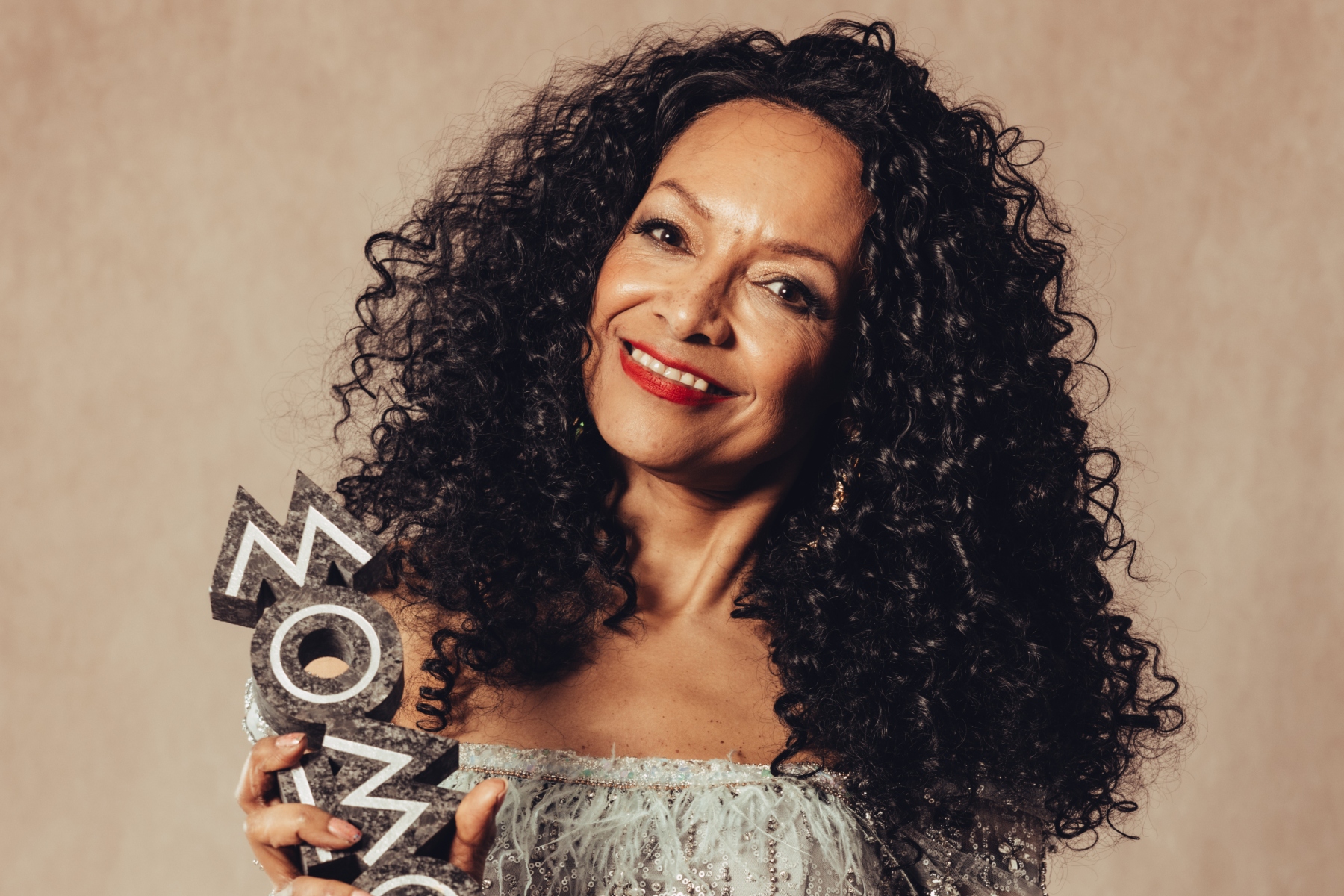

LONDON — The phone call that Kanya King had never stopped preparing for finally came on June 3. She died, the MOBO Organisation confirmed on Friday, at 57, surrounded by her family and close friends at home. The cause was colon cancer, a stage four diagnosis she had disclosed publicly in 2024 and then, characteristically, refused to let define her.
Thirty years ago, she had done something that the British music industry said couldn’t work. She remortgaged her house — she was a single mother from a council estate in Kilburn, north London — and financed a single awards ceremony to celebrate music of Black origin. No institutional backing. No industry support. Six weeks of planning. When the first MOBO Awards broadcast to the nation in 1996, the industry that had told her there was no market for Black music watched one of the most-talked-about nights in British culture happen without its permission.
The MOBO Organisation’s statement on Friday captured the architecture of what she had built: Billboard reported the organisation called it not simply an awards ceremony but “an act of cultural justice.” MOBO did not just celebrate Black music — it legitimised it, amplified it, and demonstrated its commercial and creative power to a world that had, for too long, chosen not to see it.
Born on February 12, 1969, to a Ghanaian father and an Irish mother, King was the youngest of nine children. Her father died when she was 13. At 16, she became a mother herself and dropped out of school. She was working as a television researcher when the idea seized her. She co-founded the awards alongside Andy Ruffell. The first winner of the album of the year prize was Goldie’s Timeless. Lionel Richie collected an honorary award. Tony Blair — then opposition leader, months away from becoming prime minister — attended. It was a statement from the start.
What she had identified, long before the industry agreed, was that the genres dismissed as niche — UK R&B, garage, grime, Afrobeats — were not peripheral to British culture. They were central to it. The MOBO stage, across three decades, reflected that argument back at the charts. Amy Winehouse was there. So were Stormzy, Central Cee, Sade, RAYE, Olivia Dean, Soul II Soul, So Solid Crew, Little Simz, Ms. Dynamite, and Krept & Konan. Rihanna performed in 2006. Destiny’s Child in 1999. Lauryn Hill in 2005. The roll call reads less like an awards history than a census of a generation’s sound.
Craig David told fans he was heartbroken. He had first been recognised at the MOBOs as best newcomer in 2000, early in a career that would chart the full arc of British pop’s relationship with Black music. Stormzy — who has won the award more times than almost anyone, tied with Central Cee as the most decorated rapper in the show’s history — paid tribute, as did Alesha Dixon. The music world’s response on Friday was not the usual choreography of loss. It read, in post after post, like grief.
King had accepted her diagnosis with the same refusal to be diminished that had defined her career. In February 2025, just months after going public with the news, she stood on the MOBO stage in Newcastle and told the audience: “I never allowed someone to define my limits. Not in life. Not in business. And I’m certainly not going to have that happen now.” That night, she received a special honours award. She was still running the organisation.
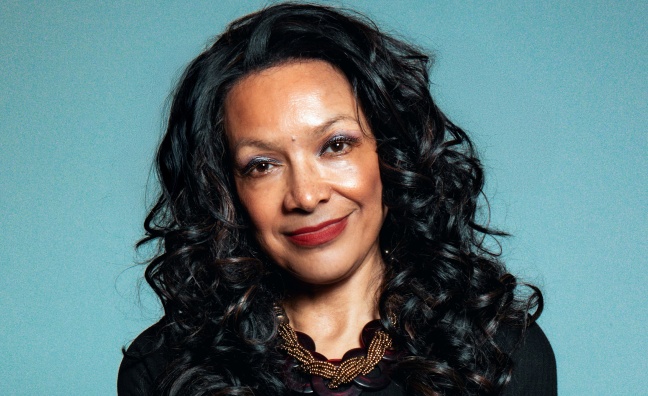
She was awarded an MBE in 1999, elevated to a CBE in 2018, and received the Ivors Academy Honour in 2025 — that last one, as the MOBO statement noted, accepted in the middle of what she described as “a difficult week health-wise,” yet she still managed to inspire every person in the room. She held an honorary fellowship from Goldsmiths, University of London, and an honorary doctorate from London Metropolitan University. These credentials mattered to her, not as decorations but as proof that the work had been seen.
The scale of that work is harder to measure than any trophy cabinet. The MOBO Organisation had, by the time of King’s death, expanded well beyond an annual awards show. There was MOBO Fringe, a festival woven into the wider fabric of whichever city hosted the ceremony. There was MOBO Unsung, built to find unsigned talent before it disappeared. There was MOBO Musicians Amplified. And earlier this year, the House of MOBO opened in London as a physical space — a place, as King described it, where people could come together to celebrate, collaborate, and build. It was the kind of infrastructure that the 1996 industry had told her Black music didn’t need.
The 2026 MOBO Awards, held in March at Co-op Live in Manchester, had marked the organisation’s landmark 30th anniversary. Pharrell Williams took the Global Songwriter Award. Slick Rick received a lifetime achievement honour. King had been present, still steering the organisation she had built from a remortgaged home in Kilburn. That she did not live to see what the next 30 years might bring is the gap this Friday’s tributes cannot quite fill.
Her family’s statement was direct. “She faced every moment of her illness as she faced every moment of her life: with courage, with faith, with humour, and with an absolute refusal to be diminished.” She is survived by her son, Jem. What she left behind — the platform, the artists, the genres now central to British culture, the generations of Black British musicians who had a stage before the industry offered them one — is not easily catalogued. The MOBO family said it was heartbroken. The 2026 awards ceremony will be dedicated entirely to her memory. Every note, the organisation said, will carry her legacy.
What the Guardian noted — and what the industry will eventually have to reckon with — is the scale of what King’s absence means institutionally. She was the person who had held the argument together: that Black British music deserved a national platform, deserved institutional recognition, deserved to be taken seriously on its own terms. She built the proof. Who carries that argument forward, and how, is the question the industry will now have to answer without her.