
LONDON — The moment Brendon McCullum walked out of Lord’s after England’s 115-run dismantling of New Zealand, the most consequential question was not about what had just happened. It was about who was not there.
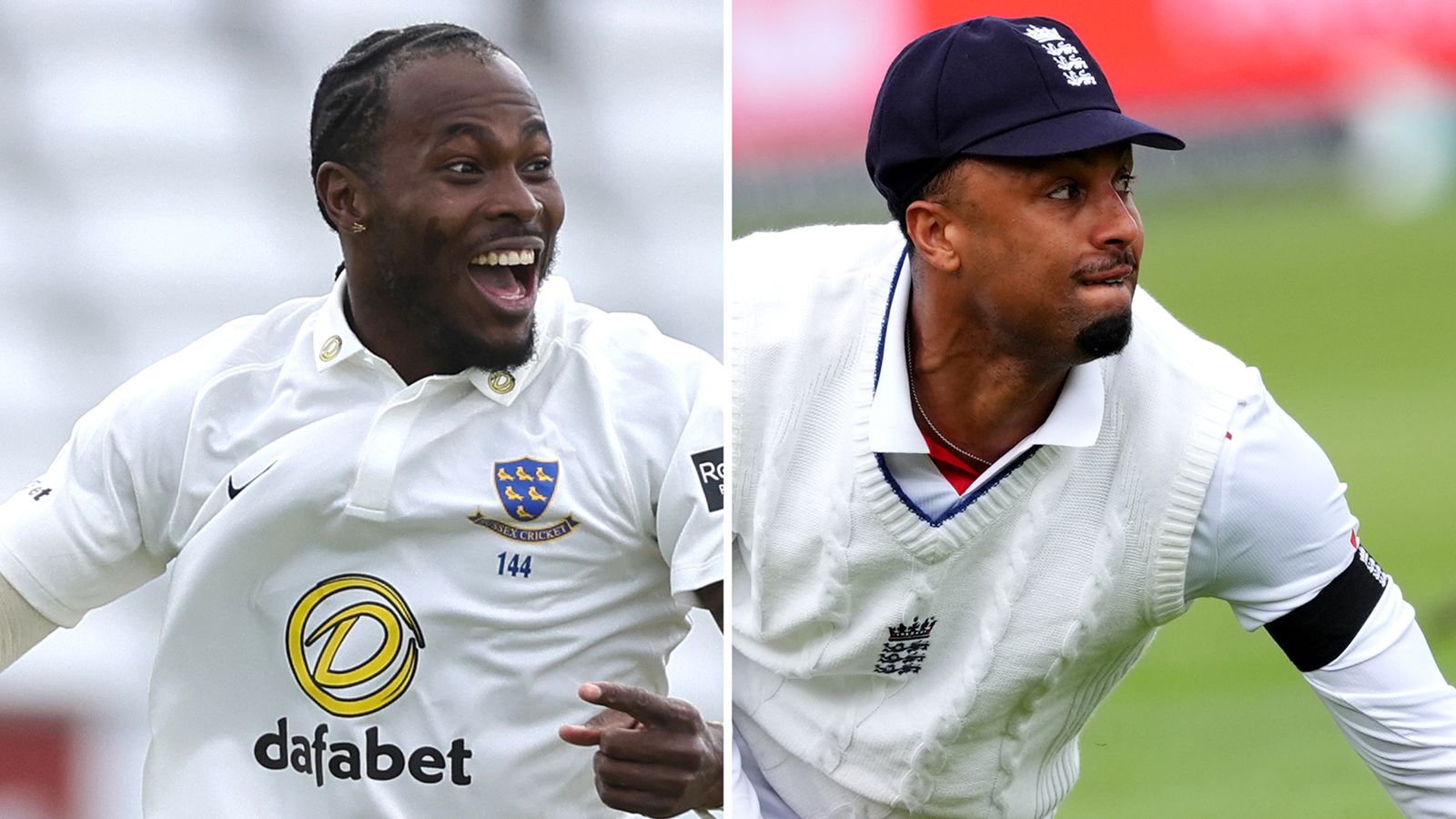
Jofra Archer, England’s most dangerous fast bowler, had watched the entire four-day match from his native Barbados. He had spent six months in the IPL with the Rajasthan Royals — 16 matches, 25 wickets, third in the Purple Cap standings — and the England management decided that turnaround was too tight for a red-ball return. McCullum used a press conference on Monday to signal that position was softening.
“We are hopeful he will be available for the second Test,” McCullum told reporters. “He is following a plan and we completely trust Jof. He has shown in the past that he gets himself ready based on the plans we get together and come up with. He has always turned up in the condition we want from him.”
The second Test begins at The Kia Oval on June 17, nine days from now. Whether Archer features depends on assessments the coaching staff say they will conduct over the coming days once the 31-year-old returns from the Caribbean. McCullum was careful not to rule him out of the third Test at Trent Bridge either, framing Archer’s preparation as a measured process rather than a fitness crisis.
That measured language stood in some contrast to the reaction Archer’s Lord’s absence generated. Sky Sports analyst Simon Doull called the situation “absolutely ludicrous” ahead of the match. Ben Stokes, the England captain, pushed back on that framing before the first ball was bowled, arguing that mishandling Archer’s availability could put his England future at risk altogether. “There is a situation where it could get messy,” Stokes said, “and players like Jofra might not play for England again if you handle it in a different way.”
England won without him, on a Lord’s pitch the MCC subsequently apologised for — a surface that produced 40 dismissals in 166 overs. A bowler with Archer’s pace would almost certainly have thrived on it. Whether that becomes a footnote or a pressure point for selection at The Oval remains unresolved.
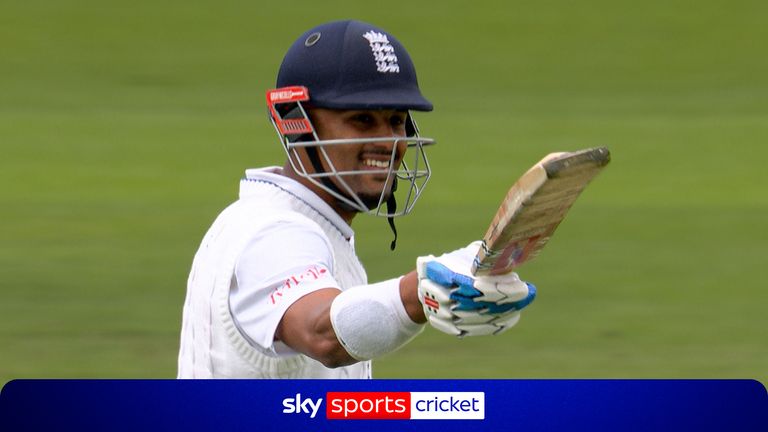
McCullum had more comfortable ground to cover when the subject turned to Emilio Gay. The left-handed opener from Durham replaced the dropped Zak Crawley and scored eight in England’s first innings before top-scoring in the second with 57 from 95 balls — the highest individual score of the entire match. The number felt understated given the surface and the occasion.
“I was super impressed,” McCullum said. “I felt like a week ago things were spinning a bit for Emilio — the initial step into the England set-up.” The coach described spending the days before the Test quietly working to calm a 26-year-old processing the noise around an international debut. “Concerned is not the right word,” he said. “It was more like, right, you just have a little bit of work to do to calm him down a little bit so that he is ready to go.”
Gay, who was born and raised in Bedford and came through Northamptonshire’s academy system before his county career with Durham, had scored 552 runs at an average of 92 in Division Two cricket before earning his call-up. He received his Test cap from Sir Alastair Cook — a left-handed Bedford School alumnus who understood exactly what the moment meant. According to Sky Sports, McCullum tracked how Gay settled as match week progressed — “calmer and calmer the closer he got to the start line.”
That composure is not routine for a Test debutant. International cricket arrives with a specific kind of pressure — not the pressure of county cricket on a difficult pitch but the surrounding pressure: the noise, the scrutiny, the sense that you need to perform differently. McCullum’s read was that Gay nearly fell into the trap of trying to be someone else. “He realised he didn’t have to be anyone else,” the coach said. “He is a pretty emotional guy and it is pretty hard to suppress those emotions when you step up to international cricket and do it straight away.”
The fifty matters most as a signal. It was made in the second innings on a surface that had already consumed England and New Zealand in rapid succession. Ollie Robinson’s triple-wicket maiden had been the defining bowling performance of the match, but Gay’s innings was the batting equivalent: something achieved under friction, without the scorecard flattering what it actually cost.
McCullum was also asked about Ben Stokes, who was dismissed for 12 and nought at Lord’s and has scored just one Test century since the 2023 home summer. Stokes dropped to number seven in the batting order, and McCullum defended both the decision and his captain’s current form with the kind of conviction that suggested internal confidence rather than public management. “I feel that his fluency is starting to come back,” McCullum said. He did not predict a specific timeline, but he was clear on the direction: “I feel he is not too far away.”
Three things remain genuinely open heading into The Oval. Whether Archer’s assessment clears him in time. Whether Gay can build on a debut innings made in exceptional circumstances rather than being consumed by the expectations that half-century creates. And whether Stokes’s touch returns on a surface that will likely demand more from the bat than Lord’s did. England have nine days to find out.
The third Test follows at Trent Bridge from June 25. England’s Test summer carries the weight of the Ashes defeat, and McCullum acknowledged the Lord’s win — emphatic as it was — had only partly lifted that weight. “The temperature has been a little bit hot,” he said, “as we all know.”