
LONDON — The question England’s cricket establishment has spent months avoiding finally arrived not from a batting collapse in Sydney or a board review in a windowless room, but from a nightclub in the early hours of a Monday morning.
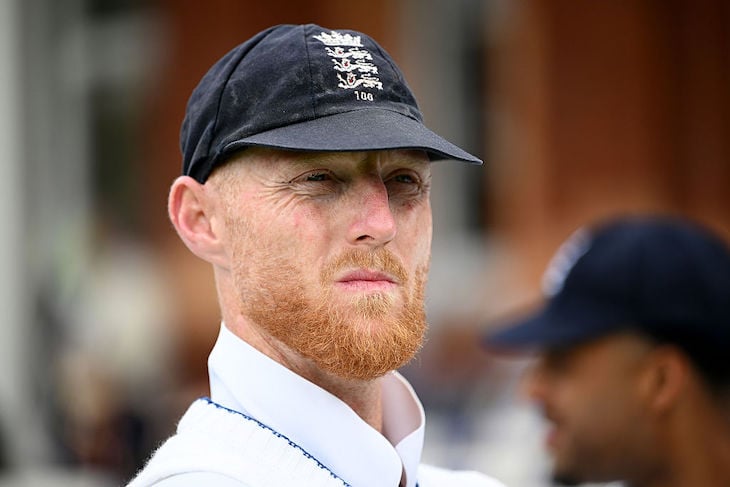
The England and Wales Cricket Board confirmed on Monday that it is investigating a “breach of team protocols” involving captain Ben Stokes and fast bowler Gus Atkinson, according to ESPNcricinfo, after the pair attended a London nightclub in the small hours following England’s 115-run victory over New Zealand in the first Test at Lord’s. An altercation involving players from Saracens Rugby Club followed, the matter has been referred to the Cricket Regulator, and both Stokes and Atkinson now look set to miss the second Test at The Kia Oval, beginning June 17. ESPNcricinfo understands the incident is serious enough that Stokes has been considering his position as captain.
Simply being out past midnight was itself the offence. A curfew was reimposed on England in January, in direct response to the team’s disastrous winter tour of Australia — a series in which excessive drinking and unprofessional conduct became almost as prominent a story as the cricket. England lost 4-1 to a depleted Australian side. Rob Key, the managing director, conceded at the time that two or three players could be “irresponsible with alcohol given that opportunity.” The curfew, he said, would take the temptation away. Stokes and Atkinson have now confirmed it does not.
“The ECB is currently investigating a breach of team protocols following the conclusion of the first Men’s Test against New Zealand,” the board said in a statement published Monday. “Ben Stokes and Gus Atkinson were present at a nightclub in the early hours of Monday morning when an incident took place. The Cricket Regulator has been informed and we will provide a further update when possible.”
The timing is almost too neat to be useful as a lesson. England had just won. The mood was celebratory. And the selectors, as they almost always do after a victory, were almost certain to name an unchanged side for The Oval. That instinct — the managerial logic of not disturbing a winning combination — is precisely what has kept this England team from the painful self-examination its results demand.
Stokes’ batting, once the single most dangerous weapon England possessed, has become a liability. His average across the last six Tests is 16 — the kind of number that would end a journeyman’s career within a month. The captaincy and the legend of the Leeds run-chase have shielded him from that accounting. Now, involuntarily, he may not play at The Oval at all, and the selectors who would never have dropped him must instead decide whether to restore him afterward — and on what terms.
It would be easier to contain this as an off-field story if the cricket itself were not already telling a version of the same tale. England’s victory at Lord’s obscured a batting performance that was far from convincing. Of the seven batsmen who played the final Test in Sydney, six took the field again last week against New Zealand. Zak Crawley was the only man dropped. The rest — including Ben Duckett, who averaged fewer than 20 in Australia and failed to record a single half-century in ten innings against them — retained their places on the strength of the result, not their contributions to it.
Joe Root presents an even more delicate calculation. One of the finest Test batsmen England has produced, he has now failed — meaning dismissed for single figures or a negligible return — in nine of his last twelve innings. He turns 39 during England’s next Ashes series. The search for a successor should already be underway. It is not, partly because Root is chasing Sachin Tendulkar’s all-time Test run record, and the gravitational pull of history tends to outlast the requirements of team selection.
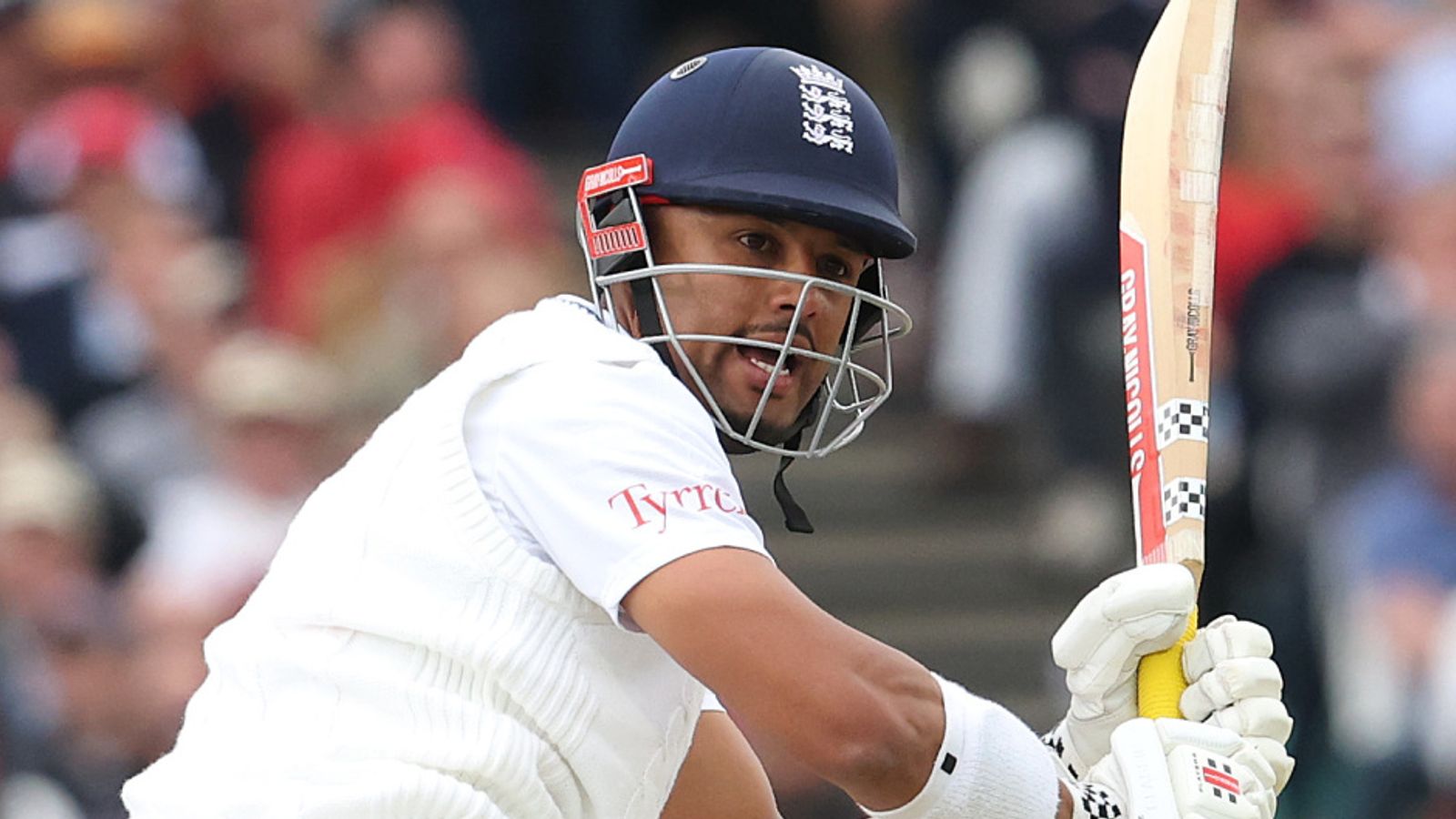
Against all of this, the Lord’s Test offered a single counterargument that the selectors would do well to take seriously. Emilio Gay, the Durham opener plucked from the second division of county cricket to replace the dropped Crawley, finished as the leading scorer on either side. His 57 in the second innings — eight boundaries, composed batting under New Zealand’s pace attack — was the one innings in the match that made a selfish case for its own continuation. Coach Brendon McCullum described the debutant’s performances as deserving of the highest praise, and the question Gay’s debut poses — how many others might succeed if only they were given a chance — is one the management has consistently refused to test.
Harry Brook, England’s vice-captain and the most complete batter in the side, would likely lead the team at The Oval if Stokes is ruled out. That development carries its own significance. Brook has long been spoken of as a future captain; an opportunity to lead, however unexpected its origins, would sharpen the picture considerably. What it would not do is resolve the questions about the captaincy itself. Whether Stokes can return from an ECB investigation, a possible ban, and a re-examination of his batting contributions as though nothing has changed is the question nobody in English cricket wants to answer directly.
This is not the first time Stokes has faced disciplinary proceedings. In 2017, he was arrested following a separate nightclub incident in Bristol, missed the Ashes entirely, and eventually returned to become the defining figure of an era. That comeback was shaped by contrition, by legal resolution, and by performances — at Headingley, at Lord’s, across a remarkable four years — that made the argument for rehabilitation impossible to resist. Whether the same process can repeat itself, at 34 and with a batting average that no longer carries the weight of those innings, is genuinely unclear. Nobody, not even Rob Key, appears to know yet.
England’s post-Ashes reckoning has been delayed at every turn — by selection inertia, by a victory at Lord’s, and now, unexpectedly, by a curfew breach that the selectors themselves would never have had the nerve to force. The Oval could be the match that finally begins it. The irony is that it may take a disciplinary investigation to accomplish what four Tests in Australia could not.
Related Posts