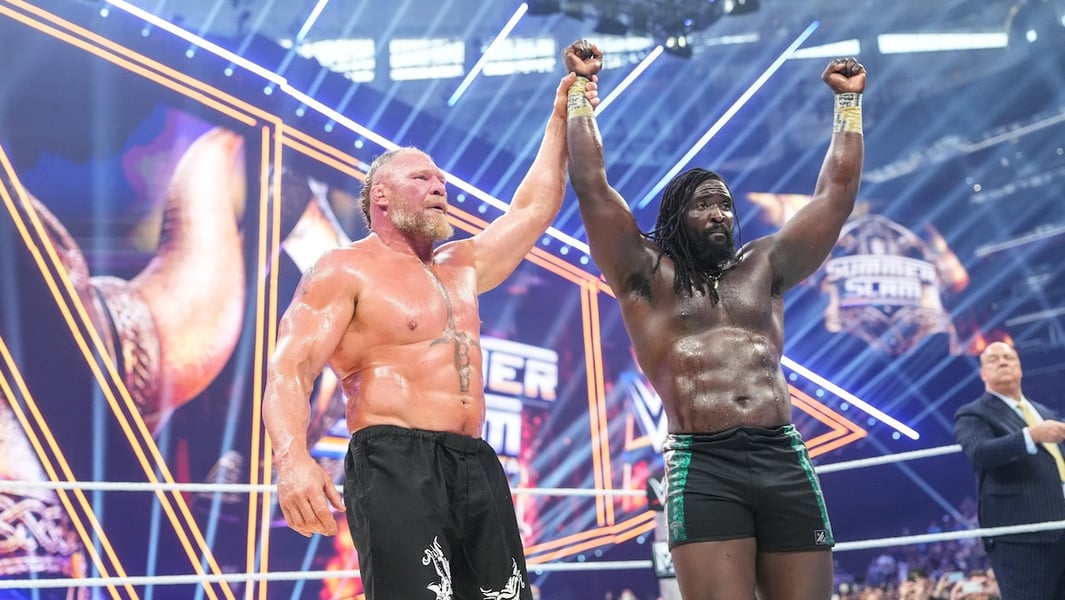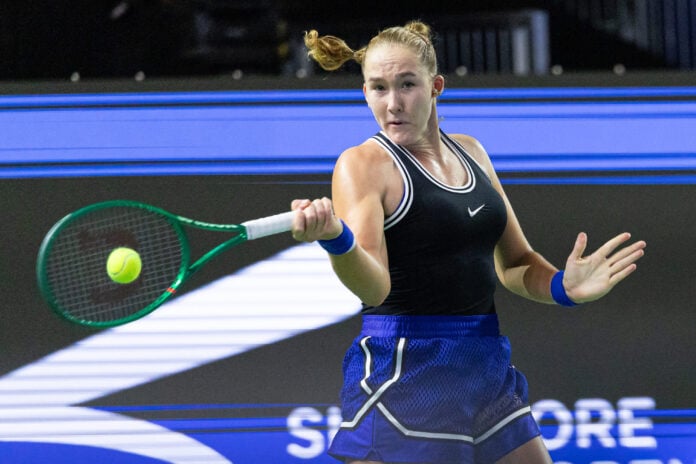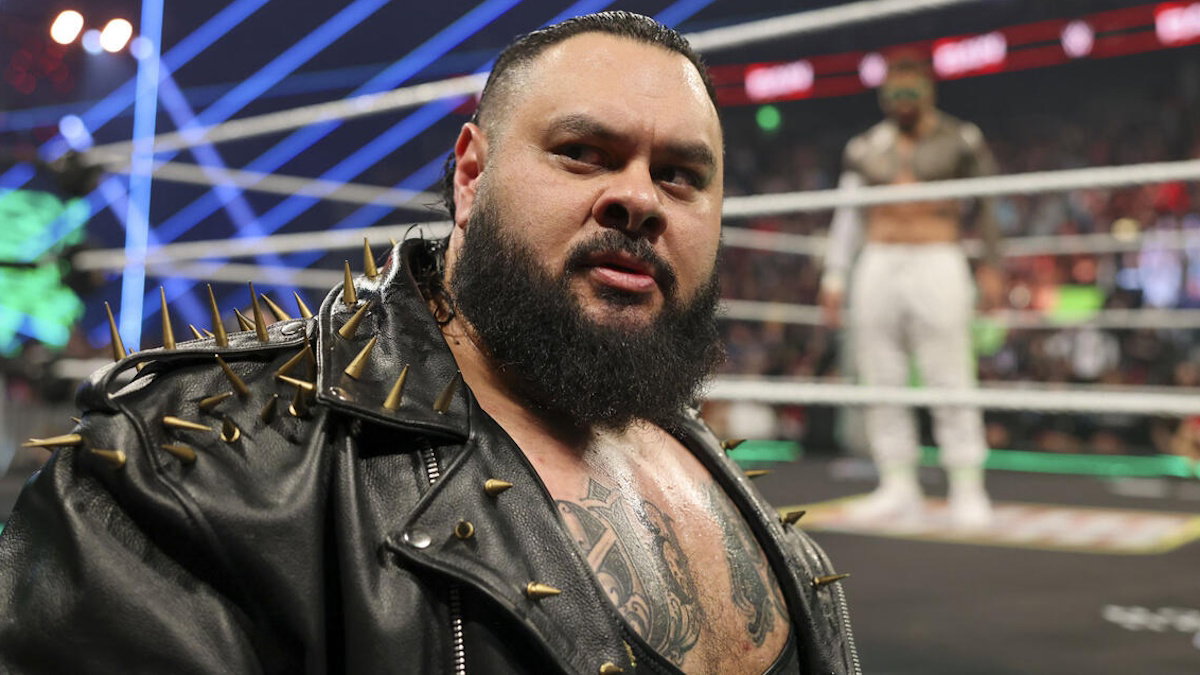

ADELAIDE — The first time Rhea Ripley saw professional wrestling up close, she was a teenager watching a big Australian called Bronson Reed throw people around at local shows in South Australia. Years later, both of them are on the same WWE roster, one sidelined by a torn bicep, the other carrying a championship that has come to define an era for women’s wrestling.
Reed, 37, disclosed the connection in an interview with WrestlingNews.co ahead of the 2024 Royal Rumble, and while the quote made the rounds briefly at the time, the full weight of what he described has only grown since. “When she was a teenager, she used to come watch me as a fan, funnily enough,” Reed told WrestlingNews.co, “and then I was able to actually watch her start her career, start training, and go all the way through to what she is now today.”
That arc — Adelaide indie shows to Women’s World Champion — is not the kind of trajectory Reed would have predicted then. Neither, in all likelihood, would Ripley. She was in the crowd for reasons any teenage wrestling fan might have, not because anyone was watching her.
Reed and Ripley are both from Adelaide, South Australia, a city that has produced a disproportionate number of WWE’s most visible performers in recent years. Reed began wrestling in 2007 on the Australian independent circuit, building a resume across Japan and the United States before signing with WWE in 2019. Ripley came later, training through WWE’s recruitment system and debuting in NXT in 2017 before eventually winning the Raw Women’s Championship and then the Women’s World Championship — the title she held for a record-breaking run that became one of the defining storylines on the Raw brand.
What Reed described is not exactly a mentorship — he was not training her, not advising her, not pulling strings. He was just there, at the events where she was watching. The value of the disclosure is more atmospheric than instructional: it places Ripley in a wrestling world before she formally entered it, suggests that her connection to the craft preceded her own professional ambitions, and offers a rare glimpse at the geography of how Australian wrestling developed the talent that now competes at the top of the biggest promotion in the world.
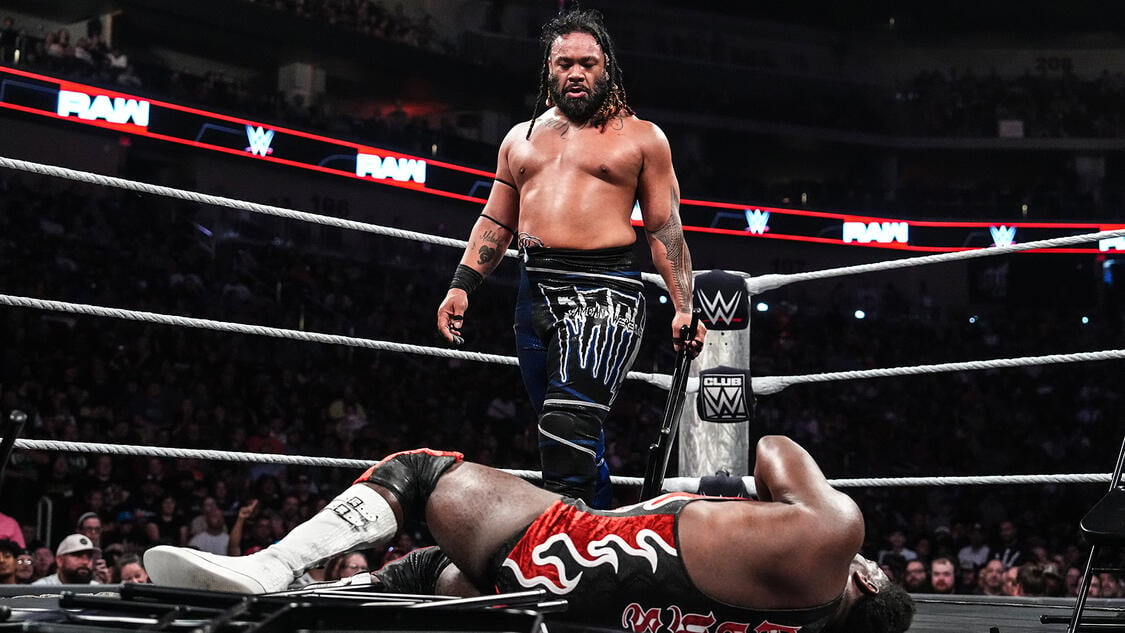
Reed himself is not competing at the moment. He suffered a torn bicep on February 23 during a triple-threat qualifying match for a spot in the Elimination Chamber, and according to Fightful Select, he was expected to be sidelined through WrestleMania 42, which Roman Reigns won to capture the World Heavyweight Championship. The injury altered plans significantly — Reed had reportedly been penciled into the qualifier result, with Jey Uso taking the victory only after the booking changed around the injury.
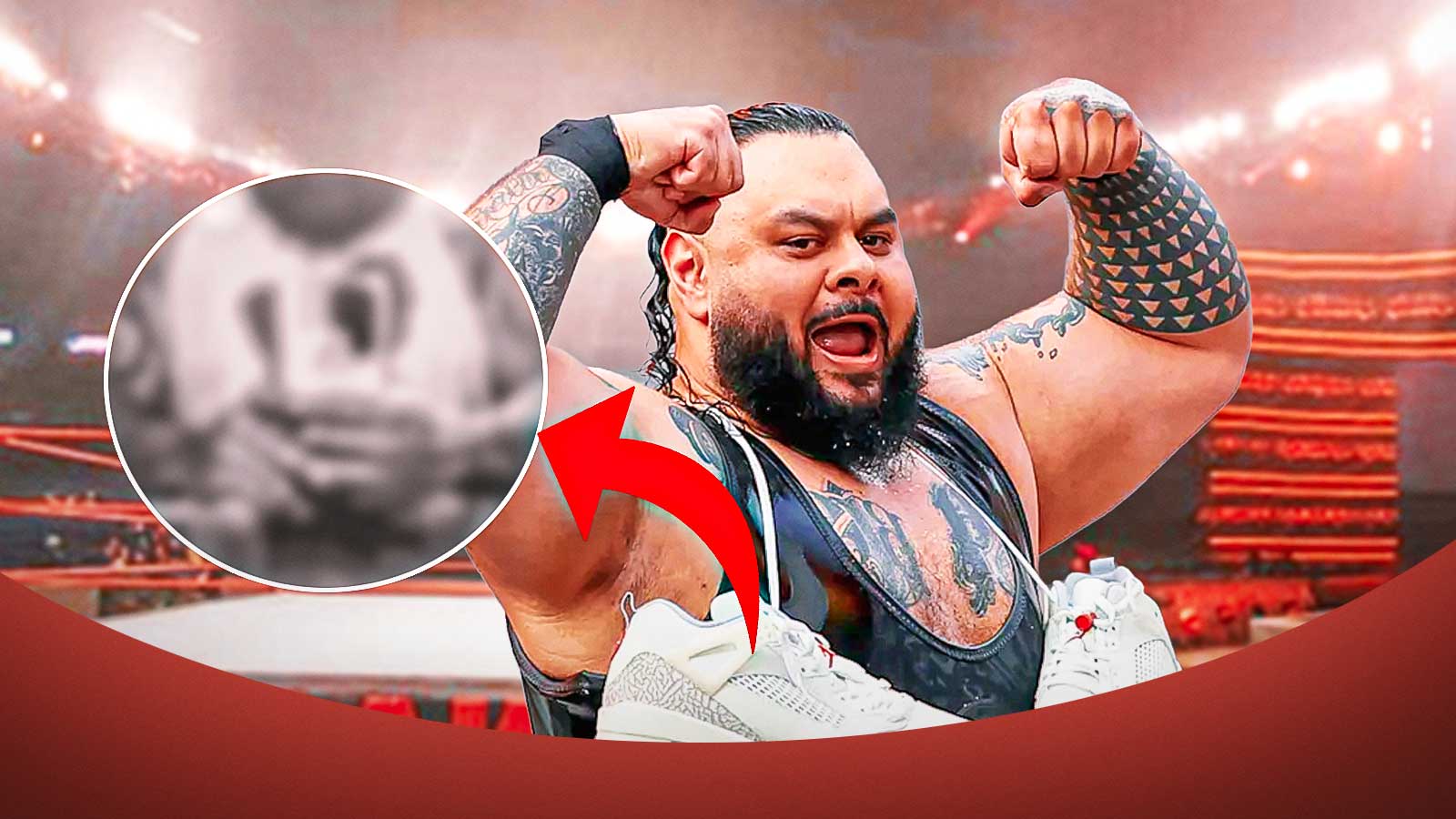
During his absence, Reed posted a black-and-white photograph on social media on May 25 that showed a noticeably leaner, more defined physique. “Day 87. The return is going to be personal,” he wrote. The post circulated widely and generated a response across fan communities, though no timeline for his in-ring return has been announced. The Vision stable, of which Reed is a member alongside Paul Heyman, Seth Rollins, and Bron Breakker, has continued operating in his absence.
What makes Reed’s account of his history with Ripley particularly relevant now is the specific context she occupies. Ripley’s run as Women’s World Champion elevated the title’s visibility substantially and drew comparisons to how Becky Lynch’s 2019 WrestleMania moment transformed the perceived ceiling for women’s matches on the main card. Ripley won the Women’s World Championship — then the SmackDown Women’s Title — from Charlotte Flair at WrestleMania 39 and held it through a reign that saw her defeat Becky Lynch, Nia Jax, and Liv Morgan before eventually relinquishing it. According to ESPN, her title reign was among the longest for a women’s championship in the promotion’s modern era.
Reed was not in a position to predict any of that when she was in the crowd watching him. His disclosure offers something rarer than analysis — it offers proximity. He watched the beginning, which is something almost no one in the current WWE locker room can say.
The framing also speaks to something that rarely gets examined in coverage of professional wrestling’s Australian generation: the degree to which a self-contained wrestling culture in cities like Adelaide and Melbourne incubated talent that would not emerge at the top of the global industry for another decade. Reed’s career path — Adelaide independent shows, NXT, Japan, release, return, Andre the Giant Memorial Battle Royal winner, Vision member — and Ripley’s path — Adelaide fan, NXT trainee, developmental champion, Raw main roster, Women’s World Champion — run in near-parallel, separated in time but rooted in the same geography.
As Bleacher Report noted, Reed is expected to challenge Roman Reigns upon his return — a program that carries its own weight given that Reed is one of the few wrestlers to have pinned Reigns in a singles match, doing so at Crown Jewel 2025 in Australia. That he achieved that milestone on home soil, in the same country where Ripley first watched him compete, gives the geography an added dimension that WWE’s storytelling team has not yet fully explored.
What neither path prepared for was the injury. Reed has been building toward a return that he is clearly treating as something more than a comeback — the social media post, the deliberate phrasing, the 87-day count suggest he intends to come back as more than a supporting member of an existing faction. Whether that materializes into a title program with Reigns remains to be confirmed.
For now, Reed is watching from the outside. Which, as it happens, is exactly where he was the first time he and Rhea Ripley occupied the same space. He watched her then. The industry is watching him now — and waiting to see what “personal” actually means when he finally returns. Read more about WWE’s recent women’s division storylines and the chaos that has defined the road to Backlash.