
WASHINGTON — Having lost at the Supreme Court, the administration that built its economic program on tariffs now has to hand back much of the money it collected under them, and it is fighting to return as little as it can. The United States is staring at a refund bill of around $175 billion after the levies were ruled an abuse of presidential power, one of the most expensive legal defeats a modern White House has handed itself.
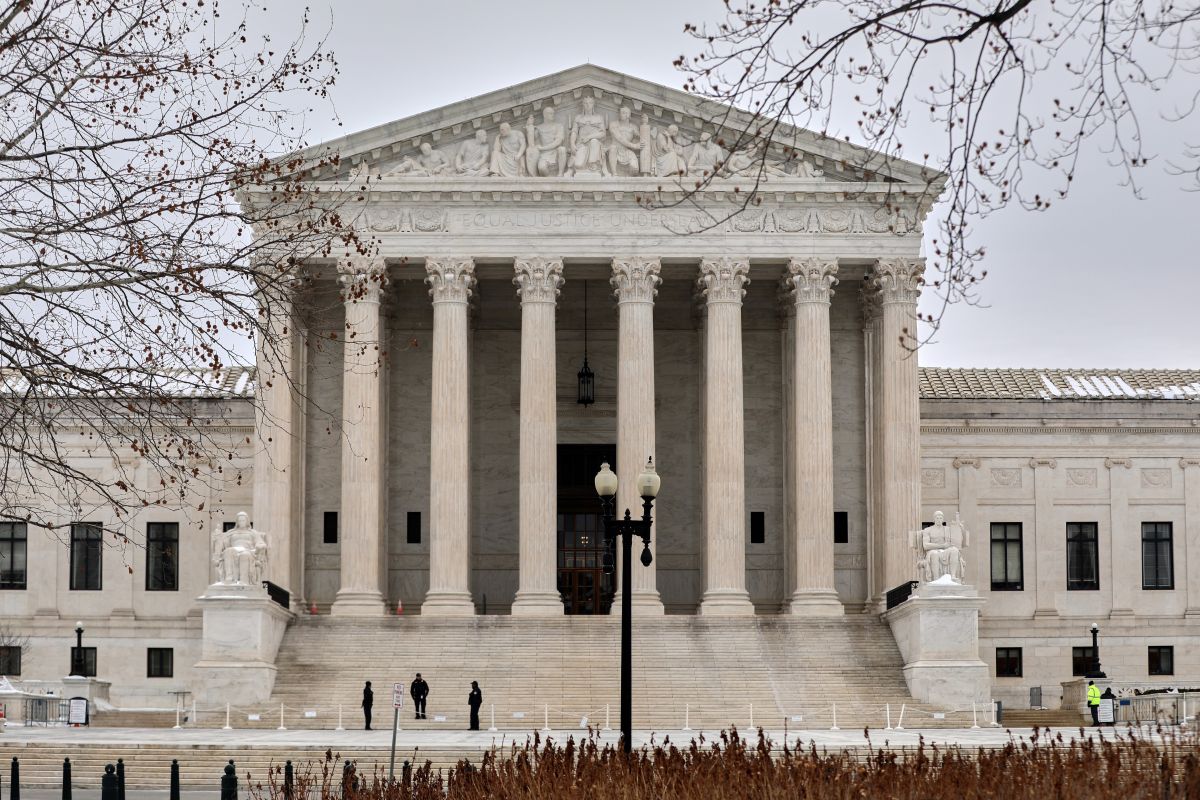
The reckoning began in February, when the Supreme Court struck the tariffs down by six votes to three. Writing for the majority, Chief Justice John Roberts held that the 1977 International Emergency Economic Powers Act, the law Trump had used, was meant for responding to specific national emergencies, not for rewriting US trade policy with sweeping, open-ended tariffs on the world. Economists at the Penn Wharton Budget Model estimated that more than $175 billion had been collected under the unlawful measures, all of it now potentially repayable. It was, in plain terms, a policy the courts found illegal from the start.
Customs and Border Protection opened a portal in April for importers to claim their share, and the numbers moving through it are enormous. By late May the system had accepted some $85 billion in potential and certified refunds, with more than $20 billion already sent to the Treasury for disbursement. The scale is its own verdict: the government is now having to unwind a sum larger than the annual budget of many countries, money it took from companies that, the court found, never owed it.
Rather than simply pay, the administration is in court trying to shrink the pool of who gets repaid. It is appealing a judge’s order that would let every importer who paid the tariffs seek a refund, arguing that the court has no authority to order repayment for businesses that did not themselves sue. The position amounts to keeping the money taken from everyone who did not lawyer up, and the government has gone to the appeals court to defend it.
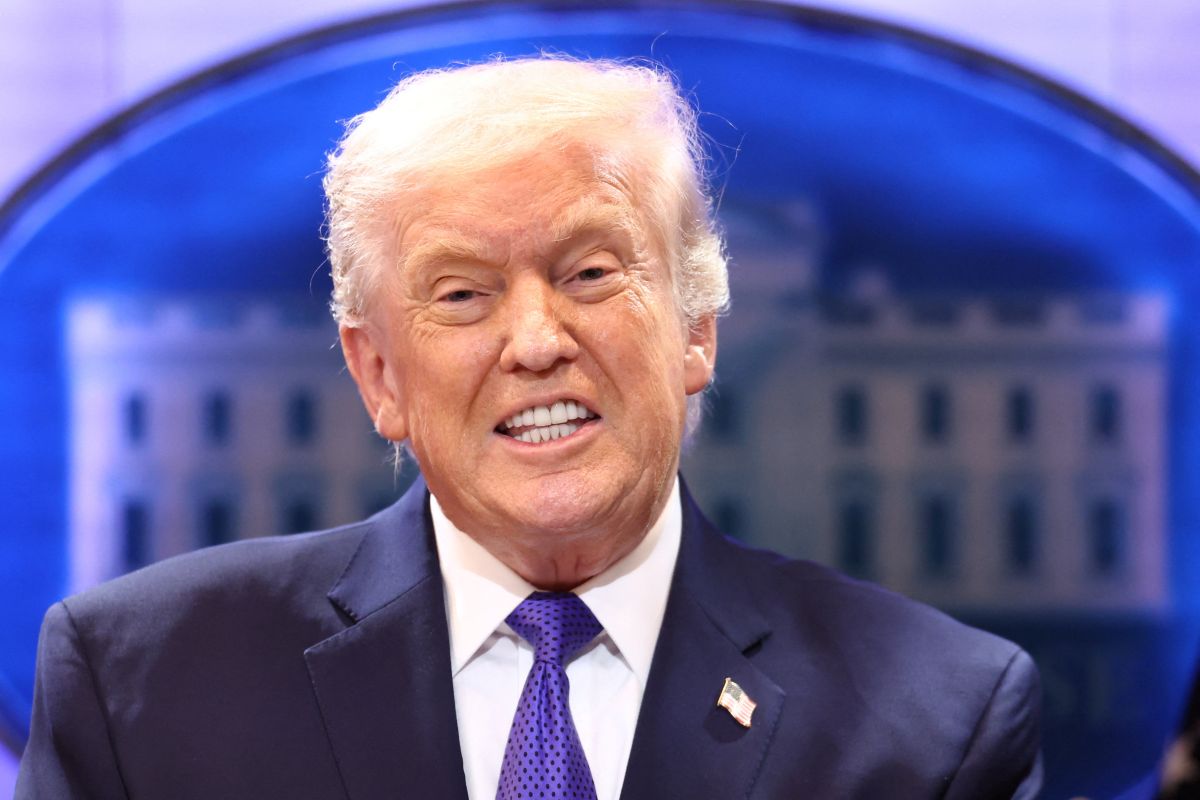
Trump himself has treated the ruling less as a limit than an inconvenience to route around. He attacked the justices and immediately reached for other legal authorities, invoking the Trade Expansion Act to impose a fresh 10 percent global tariff for 150 days and promising to push it to 15 percent. The instrument the court struck down in one form is being rebuilt in another, which means the refunds are a bill for the first attempt while the second is already underway.
None of this gives back the time the tariffs cost while they were in force. They reset the terms of global trade for the better part of two years and were blamed for a wave of corporate bankruptcies among the import-dependent firms that had to absorb them. The refunds, experts have warned could take years to arrive, and the businesses squeezed out of existence in the meantime will not be brought back by a cheque.
There is a familiar hypocrisy running underneath it. A government that lectures the rest of the world about rules-based trade imposed tariffs its own highest court found unlawful, collected $175 billion under them, and is now spending its lawyers’ time trying to avoid giving the money back. The episode is less a correction than a demonstration of how much a president can do before the law catches up with him, and how little of the damage is actually undone once it does.
The courts will decide in the coming months how broadly the refunds run and how quickly the money flows, even as Trump keeps his trade war alive under new legal cover. What is settled is that the signature weapon of that war was illegal from the day it was fired. What is not is whether the importers who paid for it will ever be made whole, or whether the cost simply stays where it fell.