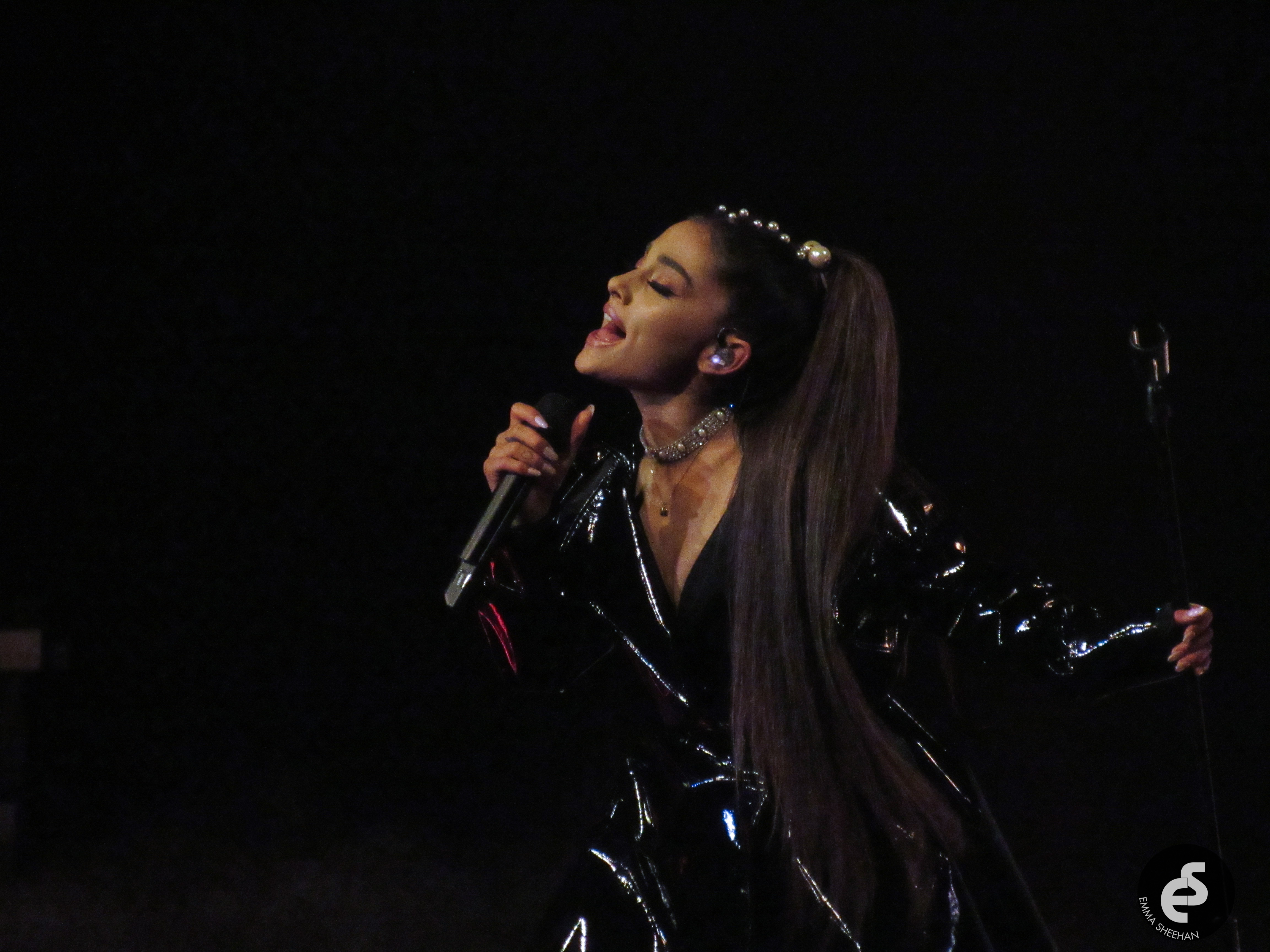

WASHINGTON — The White House’s TikTok account posted a video this week of immigration agents arresting and handcuffing people, captioned “Bye-bye” with a waving-hand emoji and the claim that President Trump has delivered the most secure border in history. The soundtrack was “Bye,” a 2024 Ariana Grande song. On Thursday, the woman who wrote it turned up in the comments.
“Please do not ever use my music in relation to this barbaric, inhumane, heinous nonsense,” Grande wrote beneath the video, closing with a two-word dismissal of ICE that began with an expletive, CBC News reported. A source close to the singer said her team immediately began working to get the song pulled from the clip.
The White House did not apologize. It barely paused. “We’ll say this one last time: what’s actually barbaric, inhumane, and heinous are the criminal illegal aliens who have injured and murdered innocent American citizens,” spokeswoman Abigail Jackson said in a statement. A second statement, from deputy press secretary Kush Desai, needled the singer with a riff built out of her own song titles, working in references to inflation and the administration’s antitrust action against Ticketmaster, Variety reported.
Then, rhetoric aside, the administration blinked. The sound was stripped from the video shortly after Grande’s comment was posted. The clip itself stayed up.
Something else quietly changed too. Grande’s spokesperson confirmed to Variety that she had left the comment, but noted that “for some reason it’s not publicly visible” on the post. The most direct exchange between a pop superstar and the federal government this year is now invisible at the scene where it happened: her words hidden, her song removed, the arrest footage still rolling.
Jackson’s “one last time” did the heavy lifting in the official response, an acknowledgment, without names attached, that this is not the first time an artist has objected to the account’s habit of cutting enforcement footage to popular music. The White House’s social feeds have made the format a signature, and the objections a recurring cost of doing business. What was different this time was the scale of the artist and the speed of the climbdown.
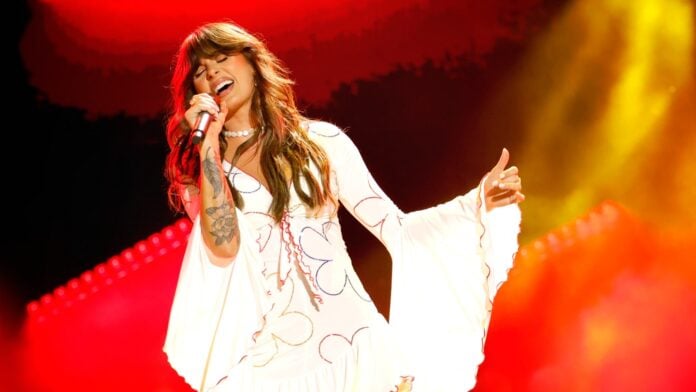
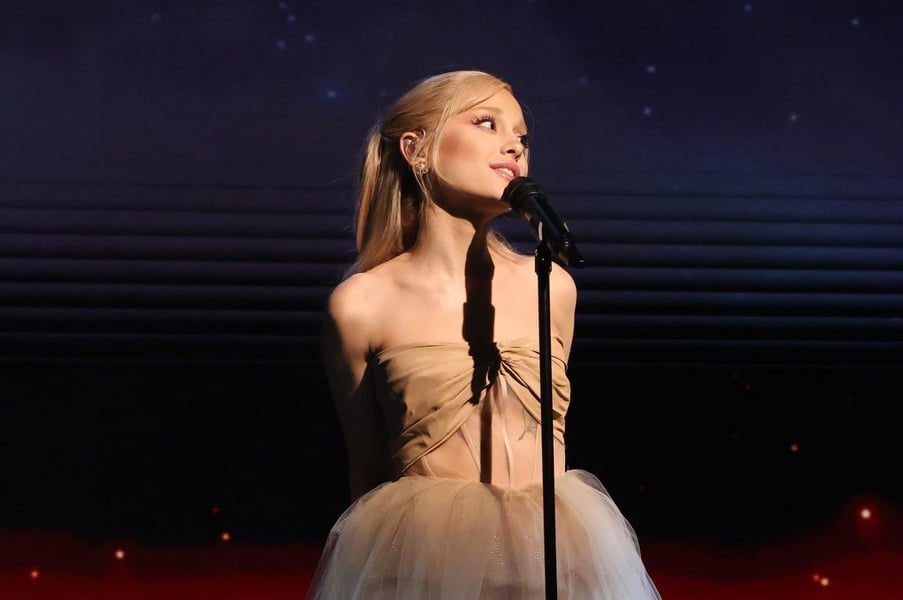
Grande is near the peak of her commercial and cultural power. “Bye” comes from “Eternal Sunshine,” the album whose tour opened this month as the singer navigated headlines about the end of her relationship with Ethan Slater. She is also six months removed from the second “Wicked” film and as visible as she has been in a decade, which is precisely why a deportation montage borrowed her voice and why the borrowing lasted less than a week.
The legal scaffolding underneath all of this remains unexplained. Neither the White House nor TikTok has said what license, if any, covered the use of a commercial recording in a government account’s political messaging, and Grande’s team has not said whether its remedies stop at removal or extend to lawyers. The administration has not said who chose the song, and nothing in either statement promised it would not happen again.
The collision lands in a stretch when the administration’s relationship with celebrity culture keeps producing friction. The president was booed at Madison Square Garden at an NBA Finals game this week, in front of a courtside row of A-listers. The pop charts, the arenas and the awards shows have not warmed to the second term, and the White House’s answer, on the evidence of this week, is to soundtrack itself with their work anyway and absorb the complaints as content.
What Grande does next is the open question her statement did not answer. She has been explicit about her politics for years, and explicit on Thursday about where her catalog may not appear. Whether a hidden comment and a stripped audio track count as a win, or as a preview of a longer fight over how government accounts use popular music, depends on lawyers and decisions nobody has announced.
For now the video is still posted. The caption still says “Bye-bye.” It plays in silence.