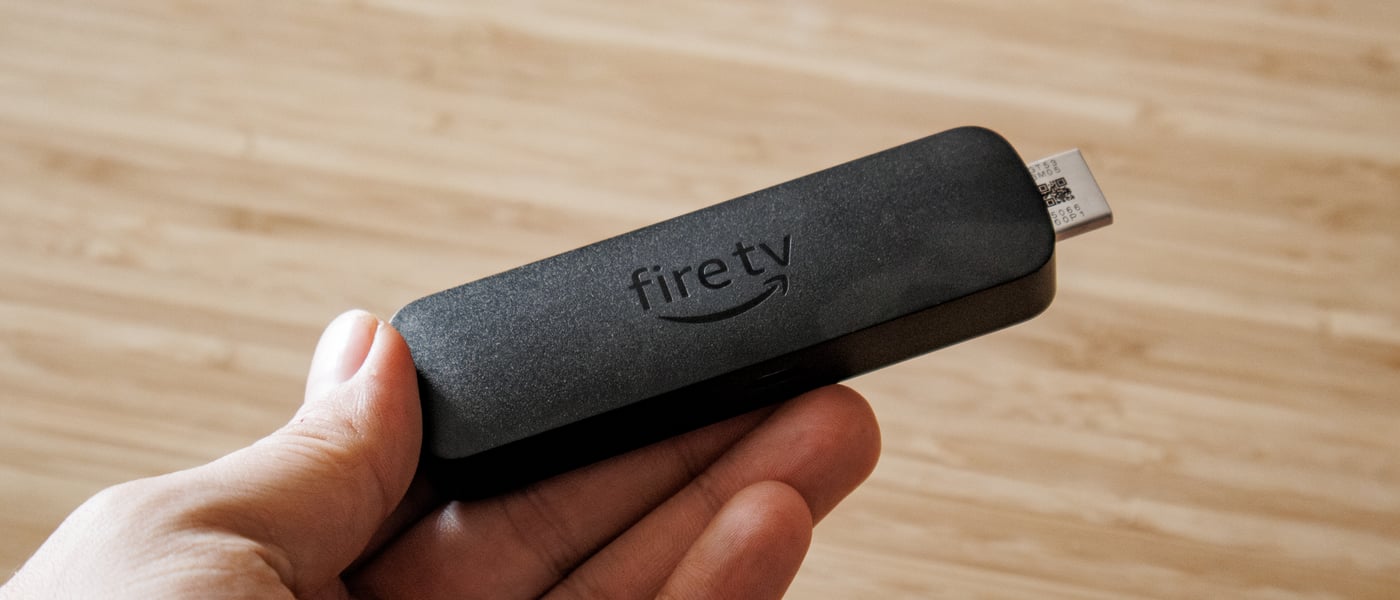

SEATTLE – The checkout was fast. The idea was simple. Plug the stick into the HDMI port, connect to Wi-Fi, and start watching. That’s how most people think about the Amazon Fire TV Stick – a cheap gateway to Netflix, Prime Video, and Disney+, and not much else.
They’re leaving most of it on the table.
Amazon cut the price of its Fire TV Stick 4K Select to $17.99 this week, a 55 percent reduction from its regular $39.99, as the company ramps up its early deals ahead of Prime Day. Android Authority reported the discount matches the lowest price seen this year. The offer has landed in front of millions of shoppers who will buy the device, plug it into a TV, open Netflix, and call it done. What they won’t immediately discover is that the same stick can stream Xbox games over the cloud, control every smart device in an apartment through Alexa, pump music through a dedicated sound system, and travel in a jacket pocket to turn a locked-down hotel television into a fully equipped home theater. It’s a device that most of its owners use for about 10 percent of what it does.
The 4K Select runs Amazon’s newer Vega OS, built for faster app launches and a lighter software experience. It includes 8GB of storage, Wi-Fi 5, Bluetooth, and an Alexa Voice Remote that handles TV power and volume controls. HDR10+ support means the picture on a compatible screen is a genuine step up from standard HD. The basics are well covered. The rest is where it gets interesting.
Those capabilities don’t arrive by accident. Amazon has been repositioning Fire TV as a platform, not just a streaming dongle – a strategic shift that has brought cloud gaming and smart home integration to devices that cost less than a streaming service’s monthly fee.
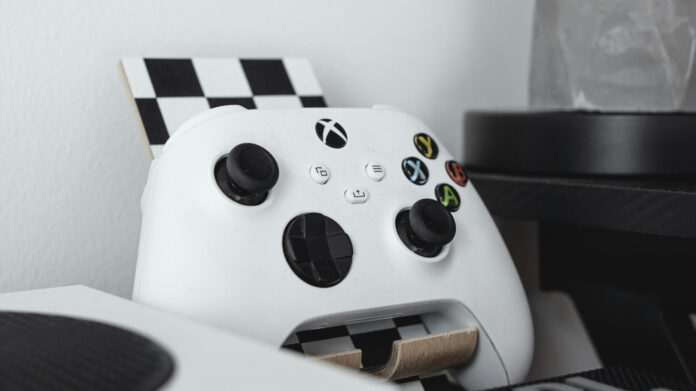
Xbox Game Pass subscribers can access Microsoft’s cloud gaming library through the Xbox app on select Fire TV models. Microsoft confirmed the feature currently applies to the Fire TV Stick 4K Max in its first and second generation, the third-generation Fire TV Cube, and the second-generation Fire TV Stick 4K. The device streams games directly from Microsoft’s servers, which means no console required and no disk drive. A Bluetooth Xbox controller is all that’s needed. Whether the experience holds up depends almost entirely on a home internet connection – latency on a crowded network can surface quickly, and cloud gaming in general is an imperfect proposition for anyone who needs frame-perfect inputs. For a casual run through a Game Pass title on a couch, it holds its own. What it is not is a replacement for an actual Xbox, but as an entry point into that ecosystem, it makes a reasonable case.
The Fire TV Stick’s Spotify integration is one of those features that sounds obvious until you consider what it actually changes. Listening to music on a phone means either using phone speakers, connecting Bluetooth headphones, or routing through a portable speaker. All three keep the phone occupied. Running Spotify from the Fire TV Stick sends audio directly through whatever the television is connected to – a stereo receiver, a soundbar, or a full surround-sound setup. The playlists, the library, the interface: all identical to the phone version. The phone stays free. On an evening with people over, there is a real difference between music coming through a portable Bluetooth speaker and music coming through a seven-channel Dolby Atmos system. Apple Music, notably, does not have a Fire TV app – a significant gap for anyone already in that ecosystem.
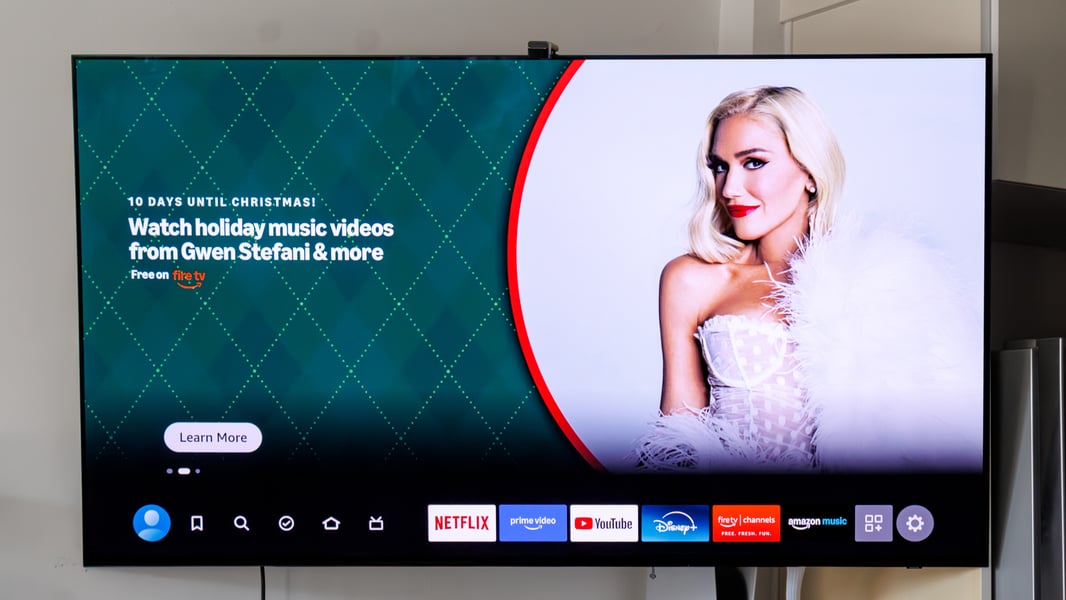
Alexa has been embedded in Fire TV devices long enough that most users have stopped thinking of it as a feature. It is still there, and it has expanded considerably. From a Fire TV Stick, a user can check smart home security cameras, adjust thermostats, dim lights, and run automations – all without picking up a phone or walking to an Echo device. With Alexa Plus, the voice assistant handles more extended requests and more complex home routines. Without it, the core smart home controls remain fully functional. For anyone who has built out a home on smart bulbs, smart plugs, and a connected thermostat, the television already sitting in the most-used room is a reasonable place to put the command center.
Hotel TVs occupy their own category of bad. Locked interfaces, no streaming apps, cable packages that haven’t changed since 2011, and a remote worn smooth from a thousand previous guests. The Fire TV Stick addresses all of that with a single HDMI port. Plug it in, connect to the hotel’s Wi-Fi network, and the screen becomes a home setup – same apps, same watchlists, same playlists. The stick fits in a jacket pocket or the interior pouch of a carry-on bag, which makes it one of the more practical travel accessories for anyone who stays in hotels regularly. The one legitimate caveat: hotels that use captive Wi-Fi portals – where guests must tap through a browser-based login screen – can be difficult to navigate from the Fire TV interface, which lacks a standard browser. A travel router can bridge the gap, though it adds a second piece of hardware to the bag.
That gap between what people use the Fire TV Stick for and what it can do isn’t unique to this device. The slimmest Fire TV Stick HD, which Amazon launched in April without even requiring a power adapter, reflects the same pattern: hardware that ships with capabilities most buyers never explore because the primary use case – streaming – works well enough that curiosity rarely wanders further.
The $17.99 price on the Fire TV Stick 4K Select is not guaranteed to hold past Prime Day, and Amazon has not specified an end date for the promotion. What the price does is lower the stakes of ownership to the point where the question of whether the device is worth buying becomes almost irrelevant. The more useful question is what someone plans to do with it once it arrives. For most buyers, the answer will probably be streaming. That’s fine. But the stick was built to do considerably more, and most of what it can do is already installed and waiting, no extra hardware required – except, perhaps, for the Xbox controller.