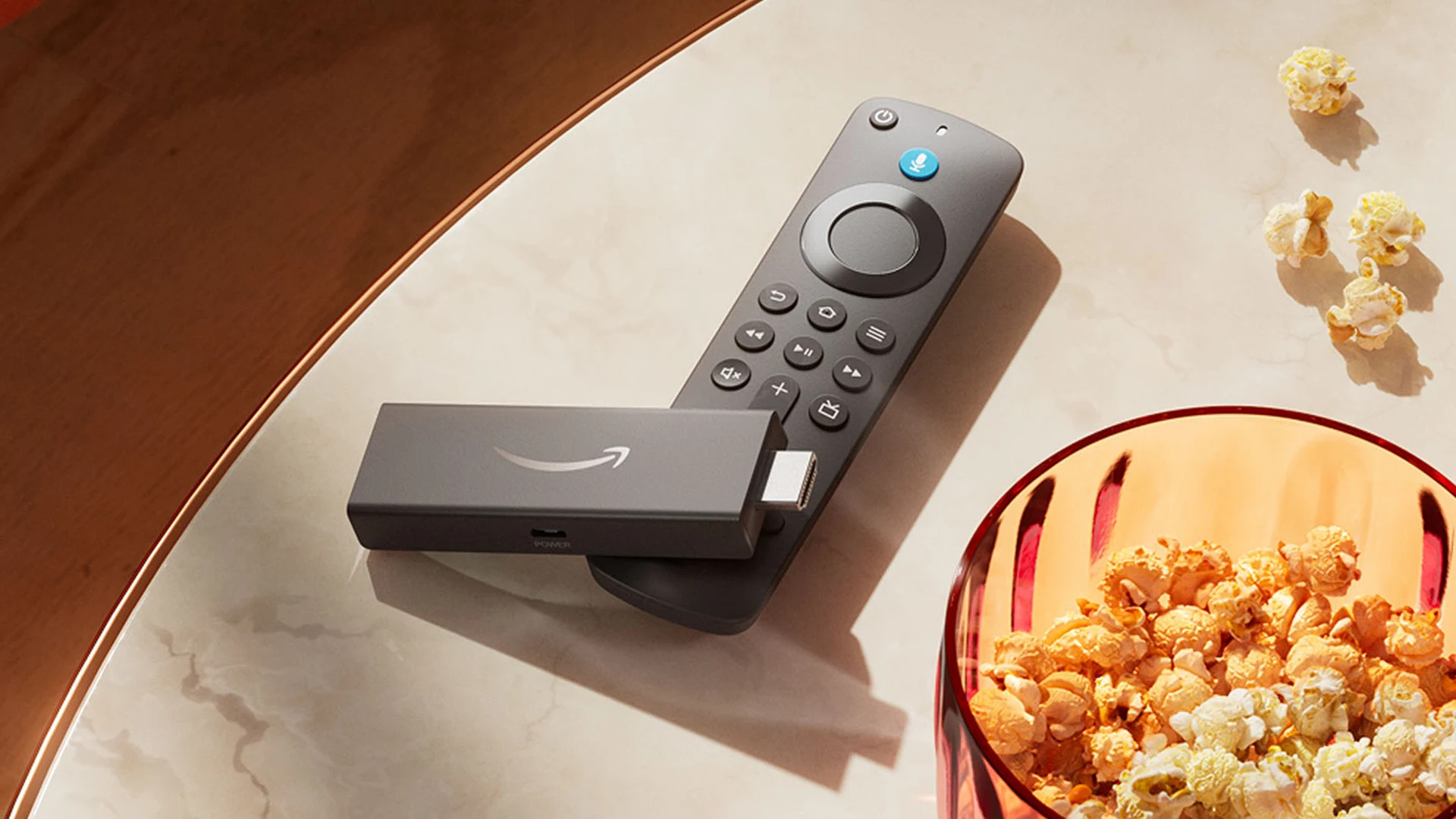

Amazon is quietly reshaping the future of streaming — and the shift is far more consequential than a routine hardware refresh. In a series of coordinated moves, the company has introduced a redesigned Fire TV Stick HD, rolled out a new Ethernet adapter promising faster connectivity, and, most significantly, drawn a hard line against sideloading — a feature that once defined the platform’s flexibility.
The juxtaposition is striking. On one hand, Amazon is investing in performance and reliability. On the other, it is closing the door on user control, signaling a decisive shift in how its devices will operate going forward.
The newly released Fire TV Stick HD arrives slimmer and more efficient, part of Amazon’s broader push to modernize its streaming hardware. Alongside it, the company has launched a new Ethernet adapter designed to improve connection stability for users who struggle with inconsistent Wi-Fi. While marketed as a leap toward gigabit speeds, early reports suggest a more tempered reality.
According to multiple analyses, the adapter supports faster connections than its predecessors but is ultimately constrained by hardware limitations. Speeds typically reach up to around 480 Mbps due to USB 2.0 bottlenecks, rather than delivering full gigabit performance. Even so, the upgrade marks a notable improvement over earlier 100 Mbps adapters, making high-definition streaming smoother and more reliable for many households.

Beneath the surface, Amazon is undertaking a far more transformative shift — one that could redefine its relationship with users. The new Fire TV Stick HD runs on Vega OS instead of Android, marking a clean break from the platform’s past.
This transition signals a broader transition away from Android ecosystem, giving Amazon tighter control over both software and content distribution. For years, Fire TV devices stood out for their relative openness, allowing users to install apps outside Amazon’s official store.
Now, that era is ending.
The new Fire TV Stick HD blocks sideloading entirely, eliminating the ability to install apps from unknown sources. Reports further indicate that future Fire TV devices will not support sideloading at all, cementing this restriction as a long-term strategy rather than a one-off limitation.
Amazon has framed the move as part of a broader crackdown on piracy and illegal streaming, an issue that has long shadowed the Fire TV ecosystem. So-called “jailbroken” devices have frequently been linked to unauthorized content access, drawing scrutiny from both regulators and content providers.
But sideloading was never solely about piracy. It also enabled legitimate uses, from installing open-source media players to experimenting with alternative interfaces and niche applications. With Vega OS, those possibilities are largely gone, replaced by a tightly controlled environment where only approved apps are permitted.
The shift brings Amazon closer to competitors like Roku and Apple TV, both of which operate closed ecosystems. For Amazon, the benefits are clear: enhanced security, simplified user experience, and stronger monetization opportunities within its platform.
There are also technical advantages. Vega OS is designed to be lighter and more efficient, potentially improving performance while reducing reliance on hardware upgrades. By leveraging cloud-based processes, Amazon can streamline updates and maintain tighter control over app compatibility.
Still, the trade-offs are difficult to ignore.
For many users, Fire TV’s appeal was rooted in its flexibility — a quality that distinguished it from more restrictive platforms. The removal of sideloading represents not just a technical change, but a philosophical shift in how Amazon views its role in the streaming ecosystem.
This evolution reflects broader latest tech industry updates, where companies are increasingly prioritizing control, security, and recurring revenue over openness and customization. In that sense, Amazon is not an outlier but part of a larger industry trend.
At the same time, the company’s investment in hardware improvements suggests it is keenly aware of user expectations around performance. The introduction of a faster Ethernet adapter, even with its limitations, signals a continued focus on delivering a smoother streaming experience.
The question now is whether users will accept the trade-off.
For casual viewers, the changes may go largely unnoticed. Faster speeds, fewer buffering issues, and a simplified interface could outweigh the loss of advanced features they never used. But for power users, developers, and those who valued Fire TV’s openness, the shift may feel like the end of an era.
Amazon is betting that control and convenience will win out. The coming months will reveal whether that bet pays off — or whether a segment of its audience begins looking elsewhere for the freedom that Fire TV once offered.