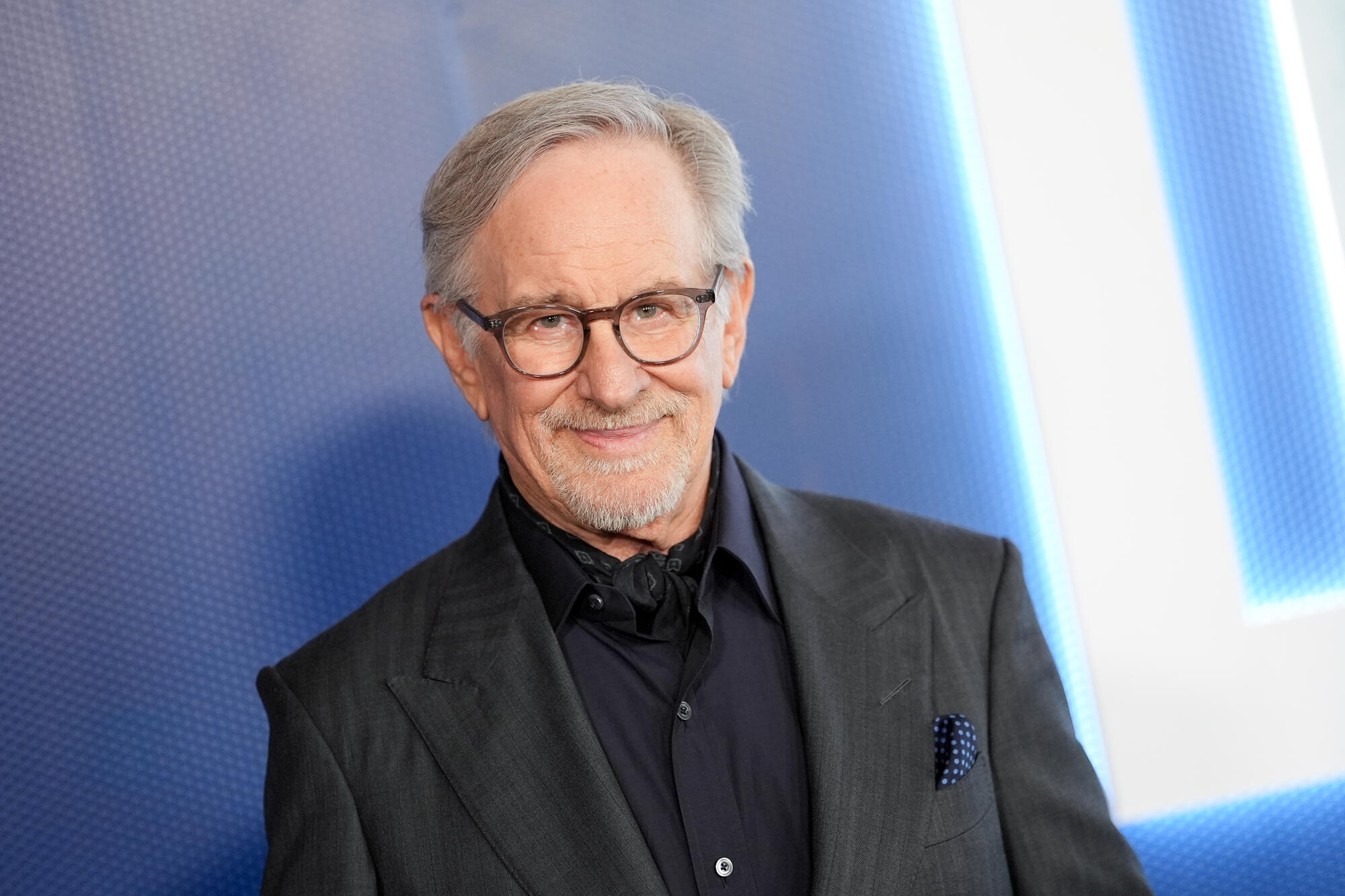

For many directors, walking away from a half-developed concept is routine. For Steven Spielberg — who has made 34 feature films and abandoned very few once he’s committed to casting — it is a rare admission. Appearing on Amy Poehler’s Good Hang podcast this week, Spielberg revealed that he came close to making a film about George and Ira Gershwin’s creation of Porgy and Bess, had already cast Colman Domingo as Todd Duncan — the baritone who originated the role of Porgy in the opera’s 1935 Broadway premiere — and then called the whole project off.
“I was going to make a movie about Ira and George Gershwin, and I was going to make a movie about the process of writing and staging Porgy and Bess,” Spielberg told Poehler. “I had actually cast a lot of the movie, and then I had a — something that doesn’t often happen when I’m that far down the line — but I had a kind of second thought about the project, and I decided not to continue making it.”
The revelation lands at a particularly resonant moment. As The Eastern Herald reported on its opening weekend, Spielberg’s alien-whistleblower thriller Disclosure Day debuted last Friday to $44 million domestically — his fifth-highest opening of all time, and his best since Indiana Jones and the Kingdom of the Crystal Skull in 2008. Domingo plays Hugo, a corporate insider leading an underground Truth Movement to expose government suppression of evidence of alien visitations. The collaboration between Spielberg and Domingo that the abandoned Gershwin project never produced happened anyway — on a very different screen.
A project that almost was
The story Spielberg was planning would not have been a straightforward adaptation of the opera itself. Rather, it would have explored the making of it: how George Gershwin, after years of pursuing the rights from author DuBose Heyward, staged his “folk opera” in 1935 at the Alvin Theatre in New York with a fully Black cast — Todd Duncan among them — at a time when Broadway had almost no precedent for that kind of production. It is the kind of project Spielberg has returned to throughout his career: American cultural history, examined through the people who made it, at the precise moment they made it.
Duncan, a Washington, D.C. baritone who had never performed professionally before being personally selected by Gershwin, went on to become one of the most celebrated classical vocalists of the 20th century. Domingo — who earned his first Oscar win for Sing Sing (A24, 2024) after acclaimed work on Euphoria, Lincoln, and The Color Purple — would have brought both the vocal authority and the historical weight the role required. According to Deadline’s report on Spielberg’s podcast revelation, the director had cast “a lot of the movie” before his second thoughts set in.
That the film was cast, had a clear narrative concept, and still didn’t proceed is unusual even by the standards of Hollywood’s long history of abandoned prestige projects. Spielberg’s track record is defined by extraordinary commitment: once he reaches casting, films almost always get made. Among the exceptions — his long-planned Napoleon biopic that ultimately went to Kubrick’s estate, a shelved adaptation of Blackhawk Down — the Gershwin project is now the most publicly detailed. Whether it will eventually be revisited by Spielberg, or made by another director, remains open.
Disclosure Day and the Domingo reunion
In Variety’s recent in-depth interview with Domingo about Disclosure Day, the actor described how Spielberg builds collaborative trust differently from most directors: “He told me, ‘I’ll send you whatever you need, so we can establish a brain trust.’ He sent documentaries, footage, studies on John E. Mack” — the Harvard psychiatrist who spent the 1990s researching alleged alien abduction experiences. On set, Domingo recalled, “Everyone has such vivid imaginations, and being led by Steven Spielberg, you feel like there are moments when you absolutely are in awe.”
Domingo, for his part, arrived as a genuine believer. “I absolutely do” believe in extraterrestrial life, he told Variety. “It can’t just be us.” In a film built around exactly that premise — government cover-up, corporate suppression, a whistleblower who risks his life to make the truth public — his personal conviction gives Hugo an internal authenticity that a more detached performance could not have produced.
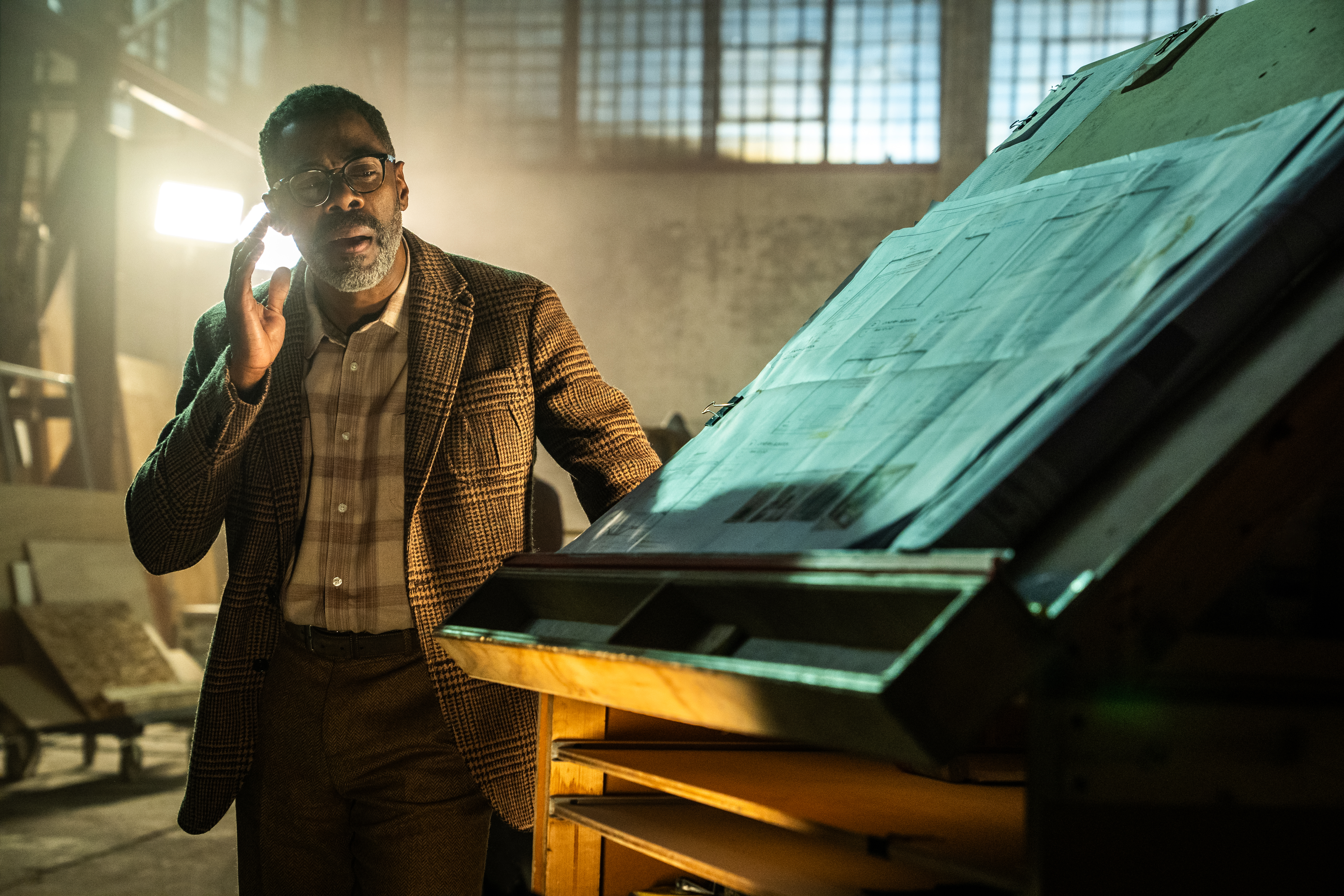
The timing of Spielberg’s podcast admission is not incidental. Disclosure Day’s $44 million opening has reignited discussion about what kind of filmmaker Spielberg has become in his late career — someone willing to make both enormous commercial entertainments and deeply personal historical reckonings, sometimes simultaneously. The Porgy and Bess biopic, had it proceeded, would have been squarely in the latter category. Instead, it joins a small and fascinating list of Spielberg films that exist only in interviews and casting conversations — the unmade archive of one of American cinema’s most prolific directors.
Meanwhile, as Hollywood continues to greenlight and abandon major productions in equal measure — from prestige biopics to big-budget franchise entries like Charlize Theron’s Amazon MGM thriller Tyrant, which Demi Moore is also circling — Spielberg’s willingness to walk away from a fully cast film remains the more remarkable precedent. The Gershwin story will wait. Disclosure Day is in theaters now.