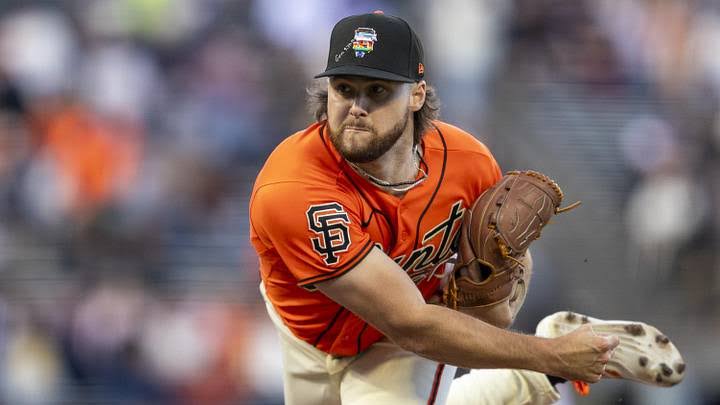

Major League Baseball has issued formal warnings to three San Francisco Giants pitchers after they wrote Bible verses on their Pride Night caps, a move that ignited a fierce debate across baseball over religious expression, league rules, and LGBTQ+ inclusion.
The controversy unfolded during the Giants’ annual Pride Night at Oracle Park, an event designed to celebrate and recognize the LGBTQ+ community. Players wore special caps featuring a rainbow-colored “SF” logo, a tradition the franchise has embraced in recent years. However, starting pitcher Landen Roupp and relievers JT Brubaker and Ryan Walker added handwritten references to Genesis 9:12-16 on their caps, while teammate Sam Hentges opted not to wear the Pride-themed cap at all.
MLB quickly responded after images of the caps circulated widely online.
“The writing on the cap violates our rules, and consistent with normal practice, we have warned the players about future violations,” MLB chief communications officer Pat Courtney said in a statement.
While the league stopped short of imposing fines or suspensions, the warning made clear that uniform alterations are not permitted under MLB regulations regardless of the message being displayed.
Why the Bible Verse Drew Attention
The verse cited by the pitchers comes from Genesis and references God’s covenant with Noah after the flood, using the rainbow as a symbol of that promise. The passage has frequently been cited by some Christian groups who argue that the rainbow’s religious meaning predates its modern association with LGBTQ+ pride movements.
Roupp defended his decision after the game, insisting it was rooted in personal faith rather than hostility toward any community.
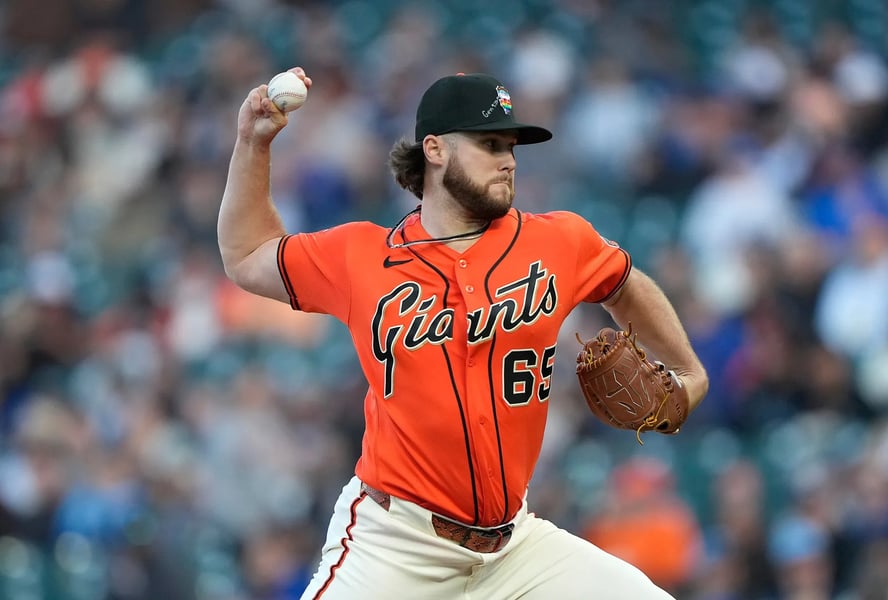
The pitcher also rejected accusations that the gesture was motivated by hate, describing it as an expression of his faith and convictions.
Giants Face Backlash From Fans and Local Leaders
Despite those explanations, criticism intensified throughout the weekend.
Many fans viewed the timing of the inscriptions as a direct challenge to an event specifically intended to celebrate LGBTQ+ inclusion. The fact that the verses appeared on Pride Night rather than during regular games became a central point of criticism from supporters and commentators.
The backlash was particularly strong in San Francisco, a city with deep historical ties to LGBTQ+ activism and one of baseball’s most visible Pride Night traditions. Fans expressed disappointment across social media platforms, while some season-ticket holders publicly questioned their future support of the club.
California State Senator Scott Wiener was among public officials who criticized the players’ actions, arguing that they undermined the purpose of the event and sent an exclusionary message to LGBTQ+ fans attending the game.
Giants Organization Reaffirms Commitment to Inclusion
As the controversy grew, the Giants released a statement emphasizing their commitment to creating an inclusive environment.
The organization acknowledged that some members of the LGBTQ+ community felt hurt by the actions taken during Pride Night and reiterated that the franchise remains dedicated to welcoming fans from all backgrounds.
The team’s response attempted to balance support for inclusion with respect for individual religious beliefs, a position that has become increasingly difficult for sports organizations navigating cultural and political debates.
Questions remain about whether team officials were aware of the planned inscriptions before the game and whether any internal discussions occurred beforehand. Publicly, the organization has provided few details beyond its statement supporting inclusivity.
A Growing Flashpoint Across Professional Sports
The Giants controversy is the latest example of tensions surrounding Pride-themed events in professional sports.
Over the past several years, athletes across multiple leagues have cited religious beliefs when declining participation in Pride initiatives. Teams and leagues have generally attempted to accommodate personal convictions while continuing to promote inclusion campaigns.
MLB’s decision to issue warnings rather than harsher discipline reflects its long-standing approach to uniform-rule violations. The league’s response focused specifically on the unauthorized alterations to official equipment rather than the religious content of the messages themselves.
Nevertheless, the incident has reignited debate over where leagues should draw the line between personal expression and team-sponsored events.
Supporters of the pitchers argue that players should be free to express their religious convictions. Critics counter that using Pride Night uniforms to convey a different message undermines an event intended to support a historically marginalized community.
What Happens Next
For now, the matter appears closed from a disciplinary standpoint. MLB has issued its warnings, and no additional punishment has been announced. However, the conversation surrounding the incident is unlikely to disappear quickly.
The controversy has become one of the most discussed baseball stories of Pride Month, drawing attention far beyond the Giants’ clubhouse and highlighting the continuing challenges sports leagues face when issues of faith, identity, and inclusion intersect on one of the game’s biggest stages.