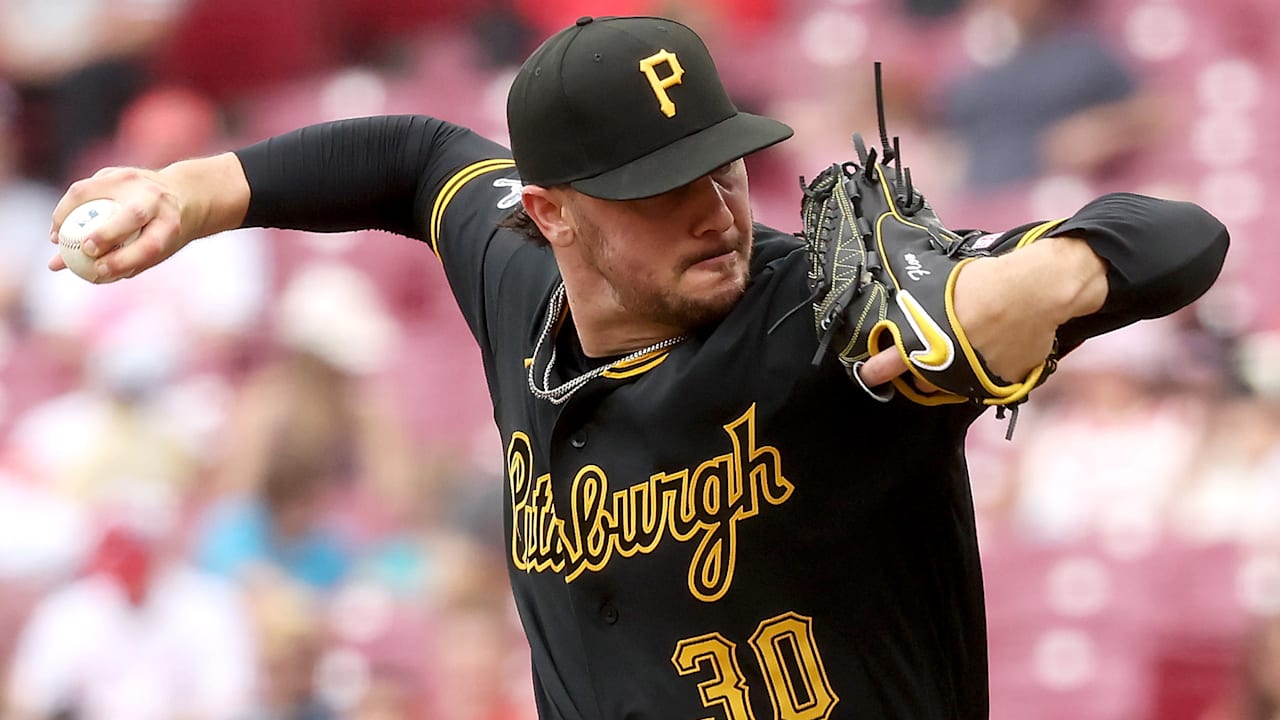

PITTSBURGH — The best pitcher in baseball throws for one of its cheapest teams, and over the next six months he will help decide whether there is a 2027 season at all.
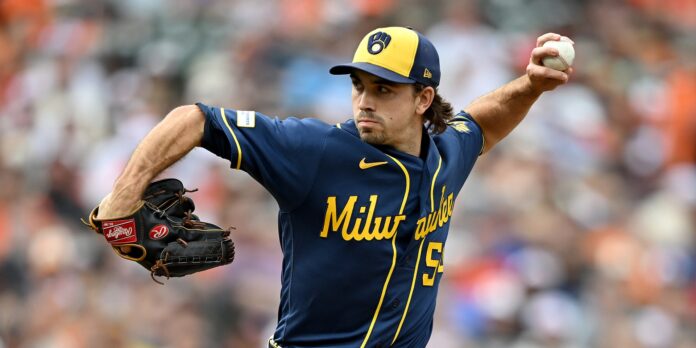
Paul Skenes is twenty-three. He won the National League Cy Young Award by a unanimous vote, led the majors with a 1.97 ERA and struck out 216 hitters across 187 and a third innings, and for all of that he was paid out of a leaguewide bonus pool, a record sum of about $3.4 million that an established ace would treat as an insult. He cannot even file for salary arbitration until this season ends. By the cold arithmetic of the sport’s pay scale he is wildly underpaid, and that is precisely why the players put him in the room where this gets settled.
The collective bargaining agreement that governs Major League Baseball expires at 11:59 p.m. Eastern on December 1, and the distance between the owners and the players is not a dollar figure. It is whether baseball installs a salary cap for the first time in its history. The owners want one. The players have refused one for thirty years and refuse it now. If that line holds, the likeliest outcome is a lockout in December, the second in five seasons, and a winter that drags toward spring with no promise the games start on time.
Skenes sits on the union’s eight-man executive subcommittee, the group that does the real bargaining, alongside Tarik Skubal, Marcus Semien, Chris Bassitt, Jake Cronenworth, Pete Fairbanks, Cedric Mullins and Brent Suter. Those players spend far more time across the table from the league than the wider thirty-eight-man board, as ESPN laid out in its guide to the looming fight. A young star volunteering to carry that load is its own message. Owners read it as a sign of how unified the room behind him is, and right now the room looks unified.
The owners’ case starts with the Dodgers. Los Angeles runs a payroll past $400 million, fueled by a rich local television deal and the revenue Shohei Ohtani generates on his own, and it has turned that money into the kind of relentless run that smaller markets cannot match. Kyle Tucker alone costs the club around $120 million a year once the luxury tax is counted, more than the entire roster of nine other teams. To the league, that gap is the proof the system is broken. Commissioner Rob Manfred and his chief negotiator, Dan Halem, sell a cap as cost certainty and competitive balance.
The players hear something different. To them a cap is a ceiling on wages wearing the costume of fairness, and the real problem is not that small clubs cannot spend but that some owners choose not to. Pittsburgh is the example they can point to without saying a word. The Pirates produced a generational arm in Skenes and still sit near the bottom of the league in payroll under owner Bob Nutting. The team’s revenue did not vanish. It simply did not get spent on the roster.
Bruce Meyer, the union’s lead negotiator, has spent months telling players the same thing, that a cap is the one fight worth losing a season over. Tony Clark, the union’s longtime leader, framed it that way when the owners last floated the idea, telling CBS Sports the players were “never going to agree to a cap.” Nothing in the early talks suggests that has softened.
Formal negotiations opened in early May and amounted, by every account, to a feeling-out session. No proposal has crossed the table in either direction. That quiet is part of what has made this season uneasy, the labor shadow sitting behind every trade rumor and contract extension, the sense that the sport is playing out a normal summer on top of a fault line.
What no one outside the negotiating room can say yet is whether the owners will actually carry a cap demand to the point of canceling games, or whether they are staking out a hard opening position to win smaller concessions on service time and the luxury tax. The last lockout, in the winter of 2021 and 2022, ended before any regular-season games were lost. There is no guarantee this one would. And there is the question nobody can answer about the players themselves, whether stars who have already made their money would hold the line for the next generation once the paychecks stop arriving.
For now Skenes will do what he has done all year, which is something close to the best pitching in the sport, for almost none of the money it is worth. That contradiction is not a weakness in the union’s case. It is the case. The men on the other side of the table are betting it will not hold through an entire winter. The players are betting their youngest star is the reason it will.