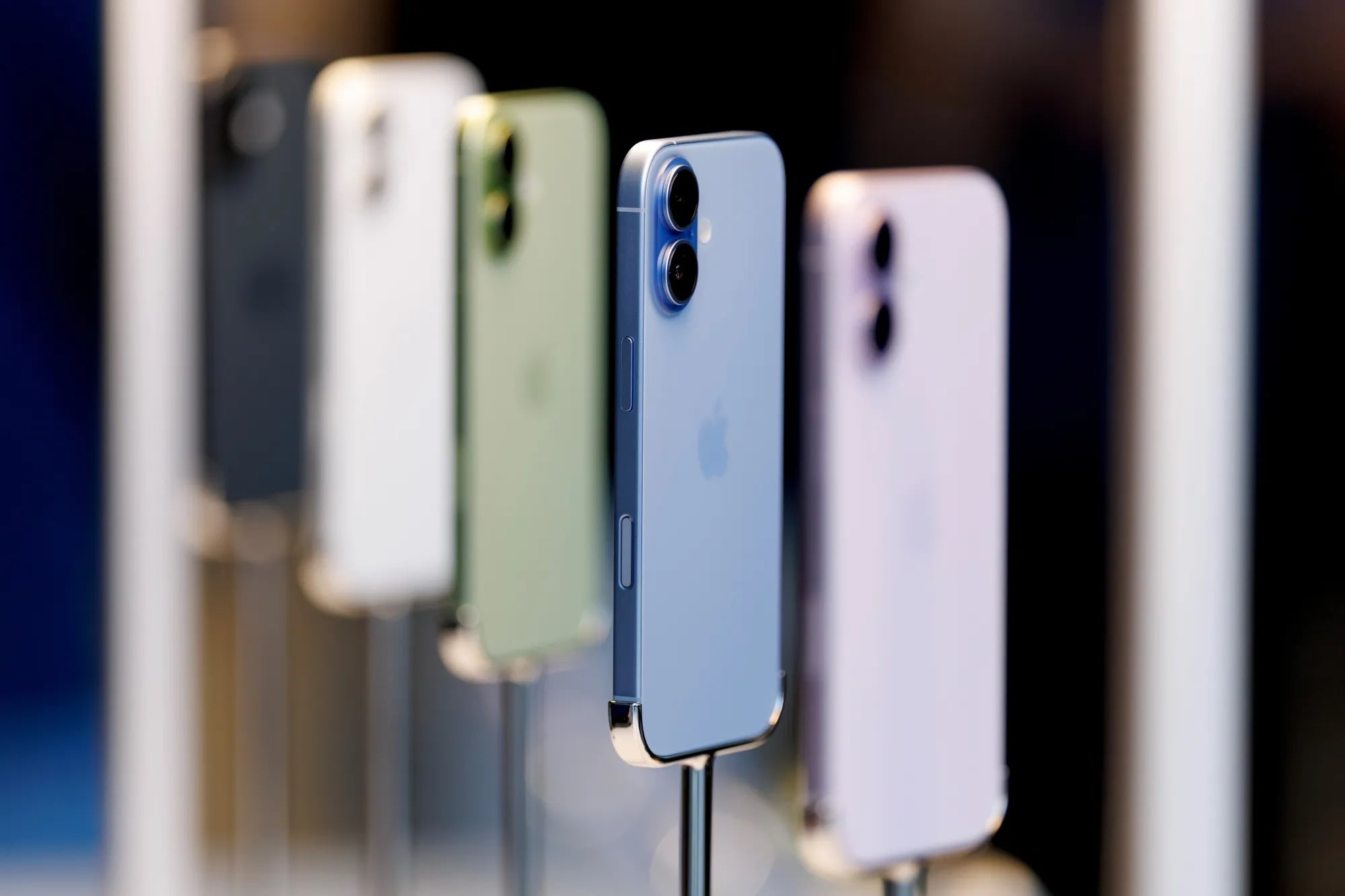

Apple is preparing to raise prices across its product lineup as a global shortage of memory and storage chips, driven by explosive artificial intelligence demand, pushes manufacturing costs to unsustainable levels.
Apple Confirms Price Pressure Amid AI-Driven Chip Shortage
Apple CEO Tim Cook has confirmed that rising costs for memory chips are forcing the company toward price increases across devices, including iPhones, iPads, and Mac computers. According to Cook, Apple has been absorbing supplier cost increases for some time, but the pressure has now reached a breaking point.
“Price increases are unavoidable,” Cook said in an interview with the Wall Street Journal, noting that the company has been trying to shield customers from rising component costs but can no longer sustain that strategy under current market conditions.
AI Boom Disrupts Semiconductor Supply Chains
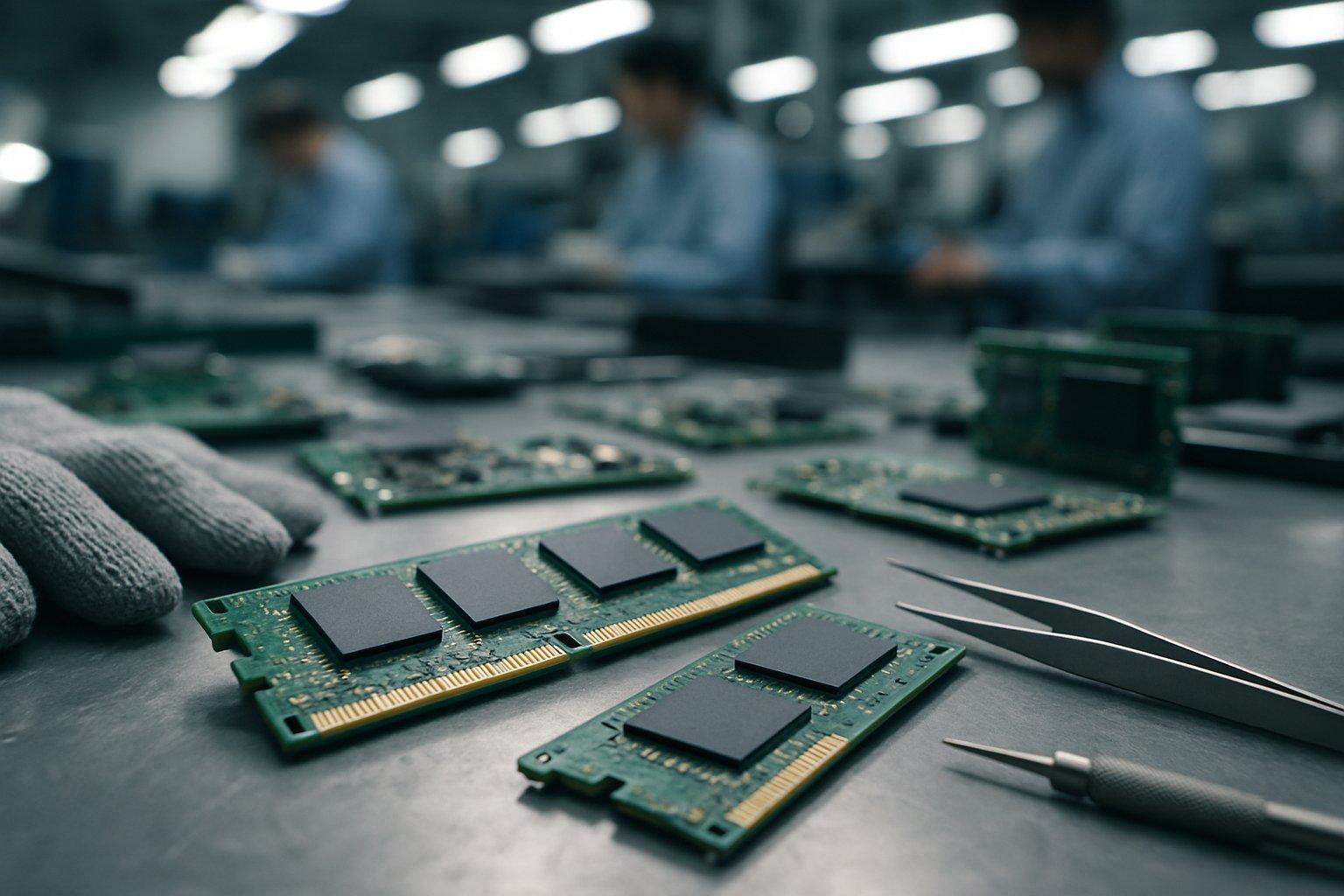
The rapid expansion of artificial intelligence infrastructure has reshaped global semiconductor demand. Data center operators and AI firms are consuming massive volumes of DRAM and NAND chips, leaving smartphone and PC manufacturers competing for limited supply.
Industry analysts describe the situation as a structural imbalance rather than a temporary spike. Chipmakers such as Samsung, SK Hynix, and Micron are prioritizing high-margin AI server memory, further reducing availability for consumer devices.
As a result, prices for DRAM and NAND have surged sharply, with some forecasts suggesting double-digit to near three-digit percentage increases in contract pricing for memory and storage components in 2026.
This shift has created a ripple effect across the tech industry, impacting production costs for smartphones, laptops, gaming consoles, and tablets.
iPhone 18 and Future Devices Expected to Be More Expensive
While Apple has not officially confirmed exact pricing changes, multiple reports suggest that the upcoming iPhone 18 Pro series could see significant price increases, particularly in Pro models.
Analysts estimate that the iPhone 18 Pro may need to be priced substantially higher than its predecessor to maintain Apple’s profit margins under rising memory costs. Some projections suggest increases of more than $200 in high-end configurations.
Beyond iPhones, Macs and iPads are also expected to face earlier price adjustments, with industry watchers warning that Apple may implement incremental increases before the next major product launch cycle.
Apple has already made subtle pricing shifts in recent years, including adjustments to base configurations of Mac models, effectively raising entry-level costs without explicitly increasing headline prices.
‘Memory Crisis’ Described as a ‘Hundred-Year Flood’
Cook has reportedly described the ongoing supply disruption as an unprecedented event in the semiconductor industry, comparing it to a “hundred-year flood” due to its scale and persistence.
The underlying challenge is not only cost inflation but structural scarcity. The ongoing AI boom has redirected manufacturing capacity toward server-grade memory, leaving consumer electronics in a supply-constrained environment.
Some analysts warn that smartphone shipments could decline in 2026 if pricing continues to rise and demand softens under inflationary pressure.
Macs and iPads May See Price Changes First
Interestingly, analysts believe Apple may not begin with iPhones when implementing price hikes. Instead, Mac and iPad product lines could see earlier adjustments, especially where Apple has more flexibility in configuration and pricing tiers.
Recent moves, such as changes to Mac mini pricing and configuration structures, suggest Apple is already testing consumer response to higher entry-level pricing.
This gradual strategy may help Apple reduce shock to its flagship iPhone lineup while still offsetting rising component costs.
AI Features Increase Memory Demand in Devices
Another key factor behind rising costs is Apple’s own shift toward AI-powered features across its ecosystem.
New on-device AI capabilities require significantly more memory and storage, meaning future iPhones and Macs are expected to include higher baseline hardware specifications. Recent developments around Apple Intelligence demonstrate how quickly hardware requirements are growing as the company expands its AI ambitions.
As Apple expands its AI ecosystem, including enhancements to Siri and on-device intelligence systems, demand for advanced memory configurations is expected to grow further.
The broader surge in AI demand is also increasing pressure on suppliers already struggling to keep pace with rapidly expanding cloud and enterprise deployments.
Meanwhile, investments in AI infrastructure continue to accelerate globally, contributing to one of the most significant shifts in semiconductor allocation seen in decades.
What It Means for Consumers
For consumers, the implication is straightforward but significant: the era of relatively stable flagship smartphone pricing may be ending.
While Apple has historically managed to absorb or mask component cost increases, the current supply shock is large enough that analysts expect visible retail price adjustments in the near future.
As AI features become central to upcoming releases, including devices expected to build upon innovations introduced in iOS 27 and hardware generations following the iPhone 17, memory requirements and component costs are likely to remain elevated.
If current projections hold, upcoming Apple devices could represent one of the sharpest pricing shifts in the company’s modern history, driven largely by competition for AI chips and the growing cost of supporting next-generation artificial intelligence experiences.