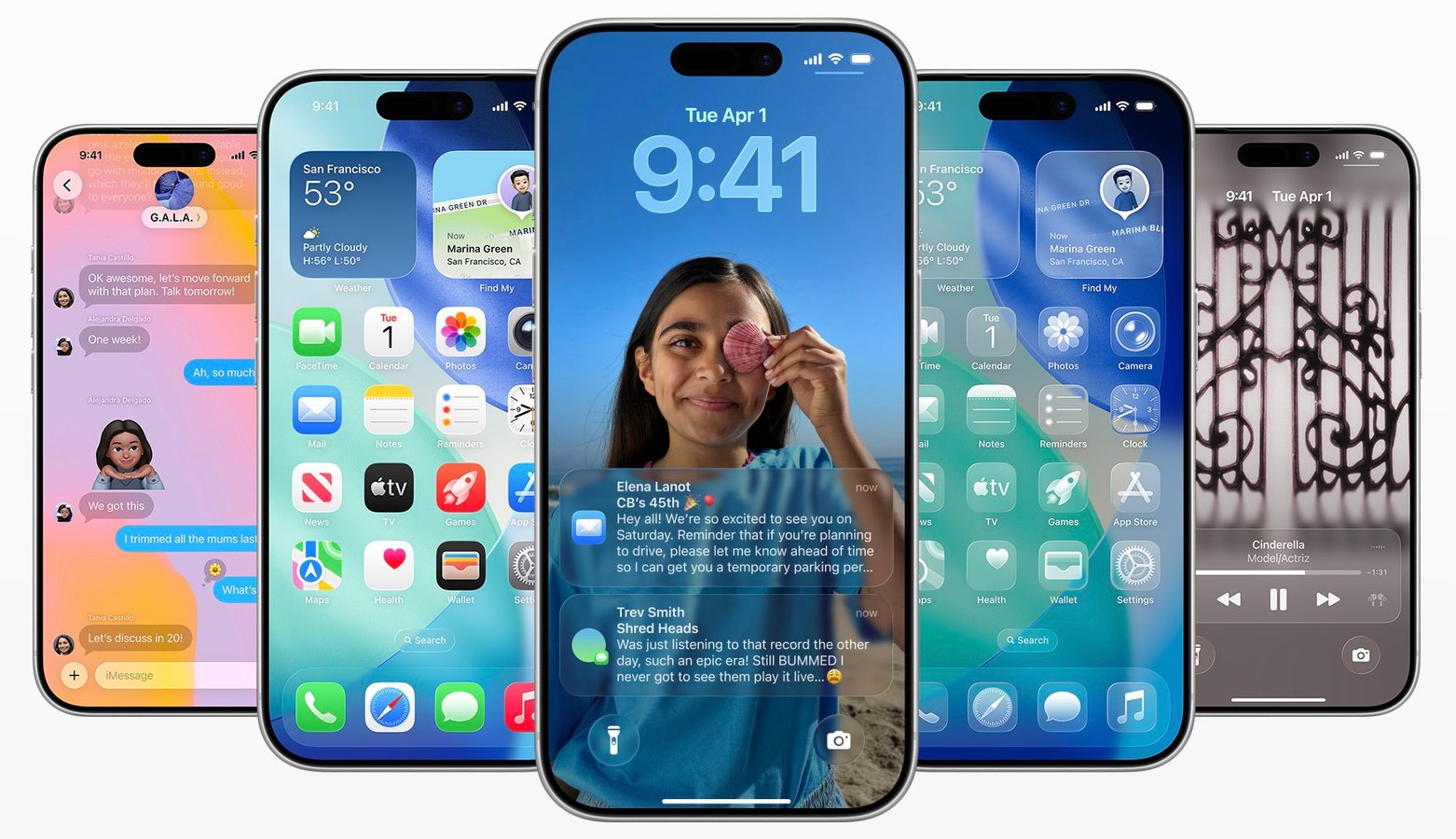

CUPERTINO – Apple released iOS 26.6 and macOS Tahoe 26.6 on Sunday, rolling out patches that address nearly 90 security vulnerabilities on the iPhone and more than 150 on the Mac – the largest wave of security fixes Apple has shipped in this generation of its operating systems, arriving weeks before the company completes its transition to iOS 27.
The scale of Sunday’s security bulletin is significant. Vulnerabilities addressed in iOS 26.6 span nearly every layer of the operating system: the kernel, WebKit – the engine that drives Safari and in-app browsers across iOS – the App Store, the Neural Engine that handles on-device AI processing, Wi-Fi, Siri, and the image processing pipeline. Several fixes close pathways identified as allowing malicious applications to access sensitive user data, track location through Siri, or mirror a device’s screen without authorization.
One fix drew particular attention from security researchers: a new restriction on Apple Maps designed to limit the potential damage from malicious data injected into map routing. The vulnerability involved a subtle pathway through which a spoofed map tile or route instruction could expose a user’s movements to a third party. iOS 26.6 introduces tighter validation at the layer where external map data is processed before it reaches the application.
A vulnerability in iPhone Mirroring was also patched. The feature, introduced with iOS 26, allows users to view and control their iPhone from a Mac. Under specific conditions, Apple’s security team found that a malicious application could exploit the mirroring protocol to access data outside its permitted scope. Sunday’s fix closes that access pathway.
WebKit is a particularly consequential target in iOS security. Because Apple requires all iOS browsers – not just Safari but Chrome, Firefox, and every other browser available on the App Store – to use WebKit as their rendering engine, a WebKit vulnerability is effectively a universal vulnerability across every browser on every iPhone. The same applies to the in-app browsing experiences built into social media applications, news readers, and any app that opens external links within its own interface. A single unfixed WebKit flaw can serve as an entry point across the entire iOS application ecosystem, making WebKit fixes among the highest-priority patches in any iOS security release.

The Neural Engine vulnerabilities addressed in iOS 26.6 represent a newer category of security surface. The Neural Engine is the dedicated processor Apple uses to run on-device machine learning tasks – powering features from Face ID and Siri to on-device photo recognition and the private compute functions introduced with iOS 26. As Apple has shifted more AI processing to the device rather than relying on server-side computation, the Neural Engine has become both more capable and a more attractive target. Sunday’s fixes close what Apple’s security team described as permission and data access issues in the Neural Engine’s handling of third-party model inputs.
macOS Tahoe 26.6, released simultaneously, carries a longer security changelog than its iPhone counterpart – more than 150 fixes addressing the same underlying frameworks as iOS plus vulnerabilities specific to Mac hardware, including kernel extensions, Bluetooth stack, and system integrity protections. Apple has not disclosed whether any of the vulnerabilities addressed Sunday were exploited in the wild before the patches were released, but the volume of fixes – many first reported through Apple’s bug bounty program by independent researchers – suggests an active period of vulnerability discovery across the platform.
Sunday’s update arrives at a particular strategic moment for Apple. iOS 26.6 is likely the final major security release in the iOS 26 generation. The iOS 27 public beta opened last month to all Apple ID holders, making Liquid Glass and a rebuilt Siri available for testing. When iOS 27 ships in the autumn, it will close the iOS 26 chapter. Devices excluded from iOS 27 compatibility will receive no further feature additions after that point.
iOS 26.6 came one month after iOS 26.5.2, itself a targeted emergency patch for specific vulnerabilities. The sequence illustrates a patching cadence Apple has maintained through the 26 release cycle: major point updates every five to six weeks, with smaller emergency releases when specific exploits require immediate attention. Apple was simultaneously running three iOS development tracks as recently as June – a logistical complexity reflecting the scale of software the company ships across overlapping release generations.
The practical argument for updating promptly is consistent regardless of which specific vulnerabilities are addressed. Modern iPhones handle continuous streams of sensitive personal data – location history, financial credentials, health records, communications – in a persistent background state. Security vulnerabilities in the kernel or WebKit are not theoretical risks for a device that is always-on and always-connected. Apple’s Hide My Email vulnerability – unfixed for more than a year despite two claimed patches – illustrated how difficult it is even for Apple to close gaps in a system as complex as iOS once researchers have identified them.
Apple’s foldable iPhone Ultra, ordered in a 10-million unit production run for September, will ship running iOS 27 from the factory. For existing iPhone users on supported hardware, Sunday’s update is a maintenance action before that transition. Apple’s full security content documentation is available at Apple’s official security release page, listing each addressed CVE, the affected component, and the credited security researcher.