
Microsoft is attempting to make its Surface lineup more affordable again, but the company’s latest move is already sparking debate among Windows enthusiasts and hardware analysts.
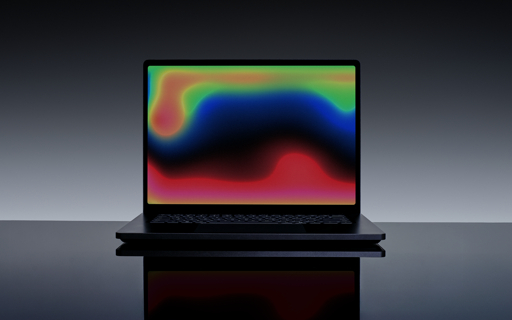
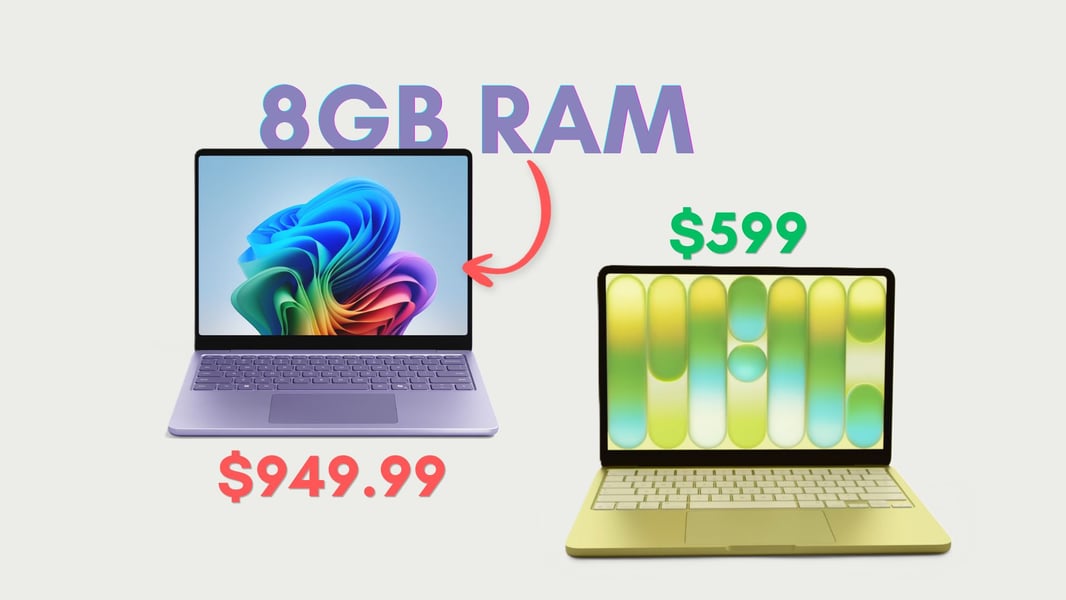
The tech giant has quietly introduced new 8GB RAM variants of its Surface Pro 12-inch and Surface Laptop 13-inch models, reducing entry prices to $849 and $949 respectively. The launch comes after months of criticism over rapidly rising Surface prices that pushed several models well beyond the reach of mainstream consumers.
The decision marks a significant shift in Microsoft’s pricing strategy. Earlier this year, price increases across the Surface portfolio pushed many configurations above the $1,000 mark, creating concerns that the brand was drifting too far into premium territory. Microsoft now appears to be responding by offering lower-cost configurations aimed at students, casual users, and buyers seeking a more affordable Windows PC.
However, the lower price tags come with an important trade-off.
The move highlights a growing challenge facing PC manufacturers in 2026. Hardware costs, particularly memory and other critical components, have risen sharply, forcing companies to either increase prices or reduce specifications. Microsoft appears to have chosen the latter in an effort to preserve accessibility within the Surface lineup.
Industry reaction has been mixed.
Supporters argue that many users still perform everyday tasks such as web browsing, document editing, video streaming, and email management without needing more than 8GB of memory. For these customers, the lower entry price may be more valuable than advanced AI capabilities. Microsoft has reportedly also worked on Windows 11 optimizations for lower-memory systems to help maintain a smooth experience on 8GB devices.
Critics, however, see the decision as a step backward at a time when memory demands continue to increase. Gizmodo described the new Surface Laptop as cheaper but less capable, noting that customers are effectively paying for older hardware specifications in a market where 16GB RAM is increasingly viewed as the modern baseline.
The controversy is particularly notable because Microsoft’s own Copilot+ PC initiative has heavily promoted AI-powered features that depend on higher-end hardware. By launching new 8GB configurations that cannot access those experiences, Microsoft risks creating confusion among consumers trying to understand the differences between Surface models.
The pricing situation also underscores broader challenges facing the Surface brand. Recent commentary from Windows-focused analysts has suggested that Microsoft may have priced some of its latest flagship Surface devices too aggressively, especially as competitors offer similarly powerful Windows laptops at lower prices. Some observers have argued that the company needed a more affordable entry point to remain competitive in the premium consumer laptop market.
Despite the criticism, the new models could appeal to buyers who prioritize design, portability, and battery efficiency over AI workloads and heavy multitasking. Both devices continue to use Qualcomm’s Snapdragon X Plus platform, which remains capable of delivering strong battery life and efficient everyday performance.
The Surface Pro 12-inch remains Microsoft’s compact detachable offering, while the Surface Laptop 13-inch serves as a lightweight traditional notebook aimed at mainstream users. By lowering prices below the psychological $1,000 threshold once again, Microsoft may be hoping to attract customers who were previously priced out of the Surface ecosystem.
Whether that strategy succeeds may depend on how consumers view the value of 8GB RAM in 2026.
For budget-conscious shoppers seeking a premium Windows device, the lower-cost Surface models offer a more accessible path into Microsoft’s hardware family. For power users and those interested in Copilot+ PC features, however, the 16GB versions will likely remain the more compelling option despite their higher prices.
As the PC industry continues to balance rising component costs with growing consumer expectations, Microsoft’s latest Surface launch illustrates a difficult reality: making devices cheaper often means giving something up in return.