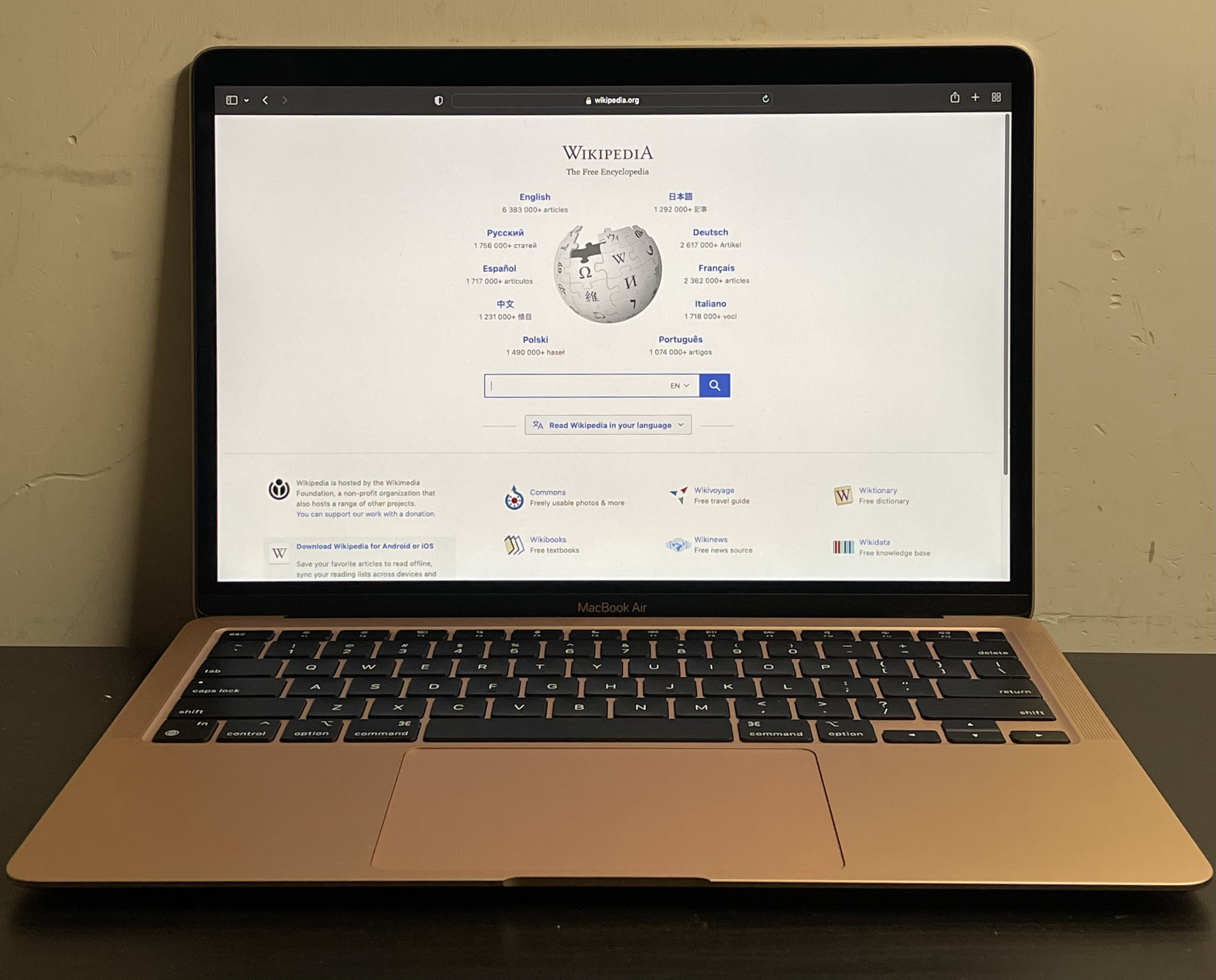

CUPERTINO, California – The MacBook Air that sold for $1,099 on Wednesday costs $1,299 today. The 14-inch MacBook Pro jumped $300 to $1,999. The Mac Studio climbed $500 to $2,499. The increases went live across Apple Inc. AAPL’s online store Thursday morning, moving without announcement pages or press events. It is the kind of quiet, comprehensive repricing that signals a company which has concluded it can no longer absorb what is happening to its supply chain.
The cause is memory chips. Not a shortage in the traditional sense. There is no breakdown in production, no geopolitical disruption cutting off supply lines. The shortfall is structural: the AI data center industry is consuming dynamic random access memory at a rate that has overwhelmed the capacity of the three major manufacturers that supply it. Prices for DRAM, according to TrendForce, an industry tracker, rose as much as 98 percent in the first quarter of 2026. The same firm estimated they will climb an additional 58 to 63 percent in the current quarter, a projection that carries the standard caveats of any forward-looking market estimate.
Apple’s statement Thursday did not name any chip supplier or memory producer. It named the problem. “The rapid expansion of AI data centers has created an extraordinary surge in demand for memory and storage,” the company said. “We have never seen a component price increase this much, this quickly.” Chief Executive Tim Cook had signaled the move was coming. In an interview published last week by The Wall Street Journal, he said price increases had become “unavoidable” and that Apple had been trying to shield customers from the increases but the situation had grown unsustainable.
Investors had been warned. The market moved anyway. Apple shares fell 5.3 percent on Thursday, erasing roughly $275 billion from the company’s market value and leaving it just above $4 trillion, Bloomberg reported. Dan Ives at Wedbush Securities maintained an outperform rating and a $400 price target, a figure that is a projection rather than a guarantee, and Ives has been among Apple’s more consistently bullish analysts. The stock movement was the worst single-day drop since April 2025 regardless of who was willing to buy.
The full list of what went up Thursday includes every Mac, every iPad, HomePod, HomePod mini and Apple TV, with price increases applied globally. The iPhone, Apple Watch and AirPods were spared, a distinction Apple declined to explain in detail. The company hinted that further pricing adjustments were possible on other products, without specifying which or when. For the Mac Studio the increase was $500, making it the sharpest single-device jump in the Thursday repricing. For the entry-level MacBook Neo it was $100, from $599 to $699. Everything in between landed somewhere on that range.
The arithmetic of what memory costs have done to the industry is striking even before the consumer sticker price enters the equation. Morgan Stanley, in a recent analysis, estimated that memory prices have increased sixfold over the past year and coined the term “chipflation” to describe what it sees as a structural pricing shift with no easy reversal. The Morgan Stanley figure, like all analyst estimates of this kind, rests on a methodology not independently audited. What is less disputed is the direction: DRAM prices have risen four consecutive quarters and the near-term forecasts from every major tracker point the same way.
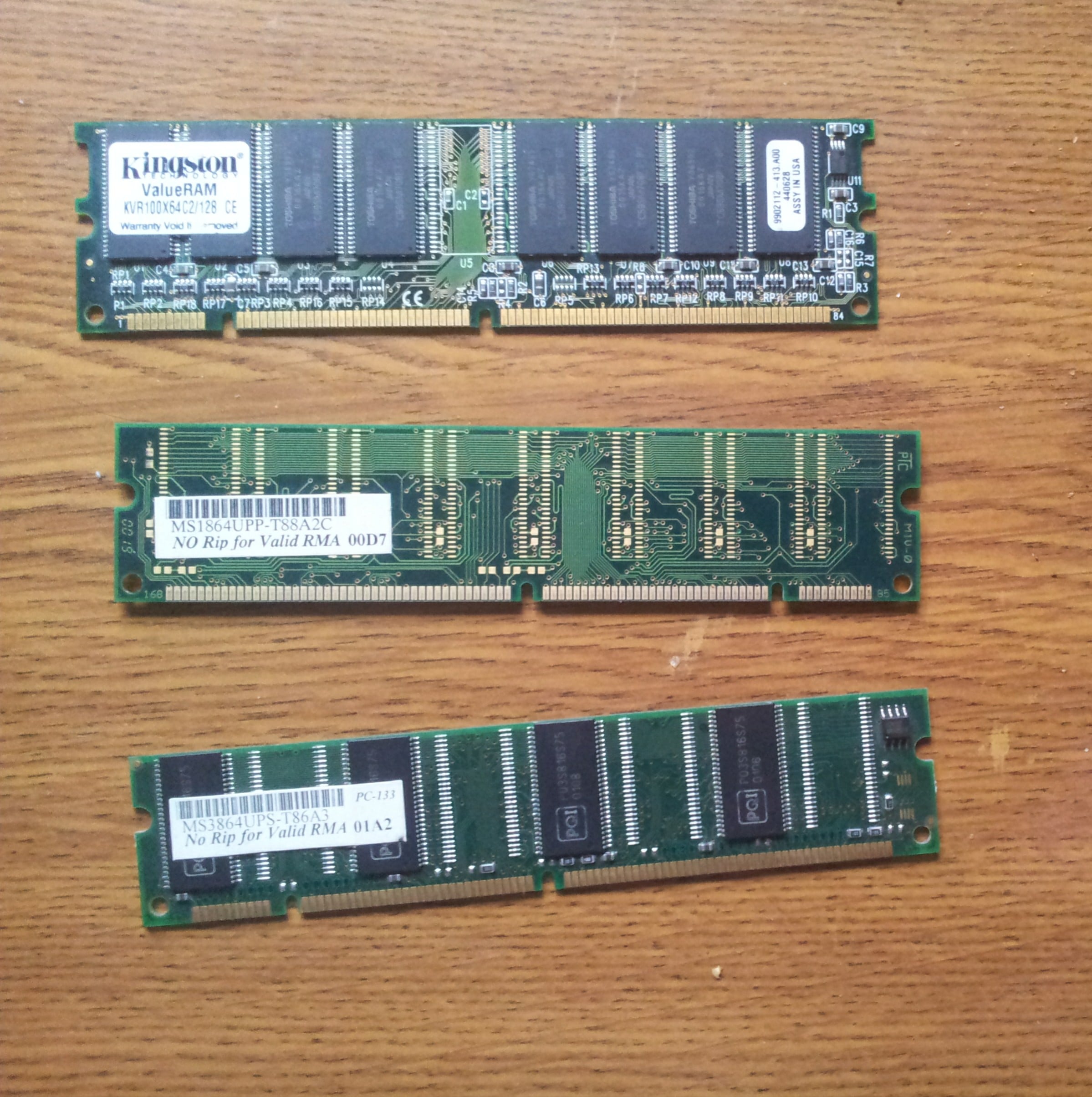
Willy Shih, a professor of management practice at Harvard Business School who studies global supply chains, described the situation as an inversion of decades of historical pattern. Memory prices, he told reporters, have always trended downward over the long run, driven by manufacturing efficiencies and expanding production capacity. What is happening now, he said, is “highly unusual” precisely because prices are rising at all. The concentration of demand is his explanation: companies including OpenAI and Meta have been purchasing enormous volumes of high-bandwidth memory for AI training, diverting supply from the consumer electronics supply chain that Apple and other device makers depend on.
Building new DRAM manufacturing capacity takes years, not months. That timeline means the supply imbalance between AI data centers and consumer electronics does not have a near-term fix, and it is the structural fact behind Apple’s Thursday repricing. The company has not indicated when it expects memory costs to stabilize. Neither has any of its major chip suppliers, because none of them knows.
The dynamic has landed on a week that was already testing investor confidence in the AI build-out. Alphabet Inc. was added to the Dow Jones Industrial Average in a reshuffle that gave the benchmark’s most-watched gauge more exposure to the AI trade at precisely the moment the market was questioning whether that trade pays off. Elsewhere, Oracle disclosed to federal regulators that it had cut 21,000 jobs and attributed the reduction to the same AI deployment that is consuming the memory driving up Apple’s prices. The week has been a series of dispatches from the same economy.
Apple is not the only consumer electronics company absorbing the shift. Microsoft also raised prices on hardware products in recent days, though the scale of those increases was smaller than Apple’s, CNBC reported. Neither company has said when it expects memory costs to stabilize, because neither can.
What Apple’s Thursday repricing does not answer is what happens to the iPhone. The world’s best-selling smartphone runs on the same memory supply that pushed up MacBook and iPad prices Thursday. If the conditions that produced the increases persist into the second half of 2026, the calculation will eventually reach Apple’s most important product line. The company’s hint of further adjustments made the omission more conspicuous than any direct statement could have. Thursday set the price. The question of what comes next did not get an answer.