
LOS ANGELES — Miyako Cech is twelve years old in a cave, crouching in the dark and listening for the way vibrations move through earth. She cannot see her opponents. She has never needed to. Toph Beifong, the blind earthbender who has been the most anticipated arrival in Netflix’s live-action Avatar: The Last Airbender since the series was announced, makes her entrance in Season 2 by doing what she always did in the original animated series: winning before anyone else in the room knows the fight has started. Seven episodes of the second season landed on Netflix on Thursday, and the consensus forming in early reviews is that the show has become, in significant ways, a different series.
Season 2 adapts the animated series’ Book II: Earth, moving Aang and the Gaang out of the Northern Water Tribe and into the vast, treacherous Earth Kingdom. The decision to compress that journey, a sprawling continent-crossing arc in the animated version, into a story centered almost entirely on Ba Sing Se, the walled capital built as a full outdoor practical set on the production’s backlot, carries the clearest creative argument the show has made for its own existence. According to Deadline, all seven episodes were available to stream simultaneously on June 25.
Critical reception has been cautiously positive, with critics broadly agreeing that Season 2 represents a meaningful improvement over the first. Toph’s arrival is cited most consistently as the reason. “The Blind Bandit,” played by Miyako Cech from a pool of more than 6,000 candidates, brings a comedic bluntness and physical confidence that the show’s ensemble has been missing: an earthbender who processes the world entirely through seismic vibration and has, consequently, zero patience for anyone who needs her to slow down and explain herself. She is also, structurally, the missing friction. Aang’s journey to master earthbending requires a teacher who sees his techniques differently, and the tension between their pedagogies drives the season’s most productive drama. Whether the show can build a case for a full franchise renewal depends significantly on whether that creative lift survives contact with what comes after Ba Sing Se.
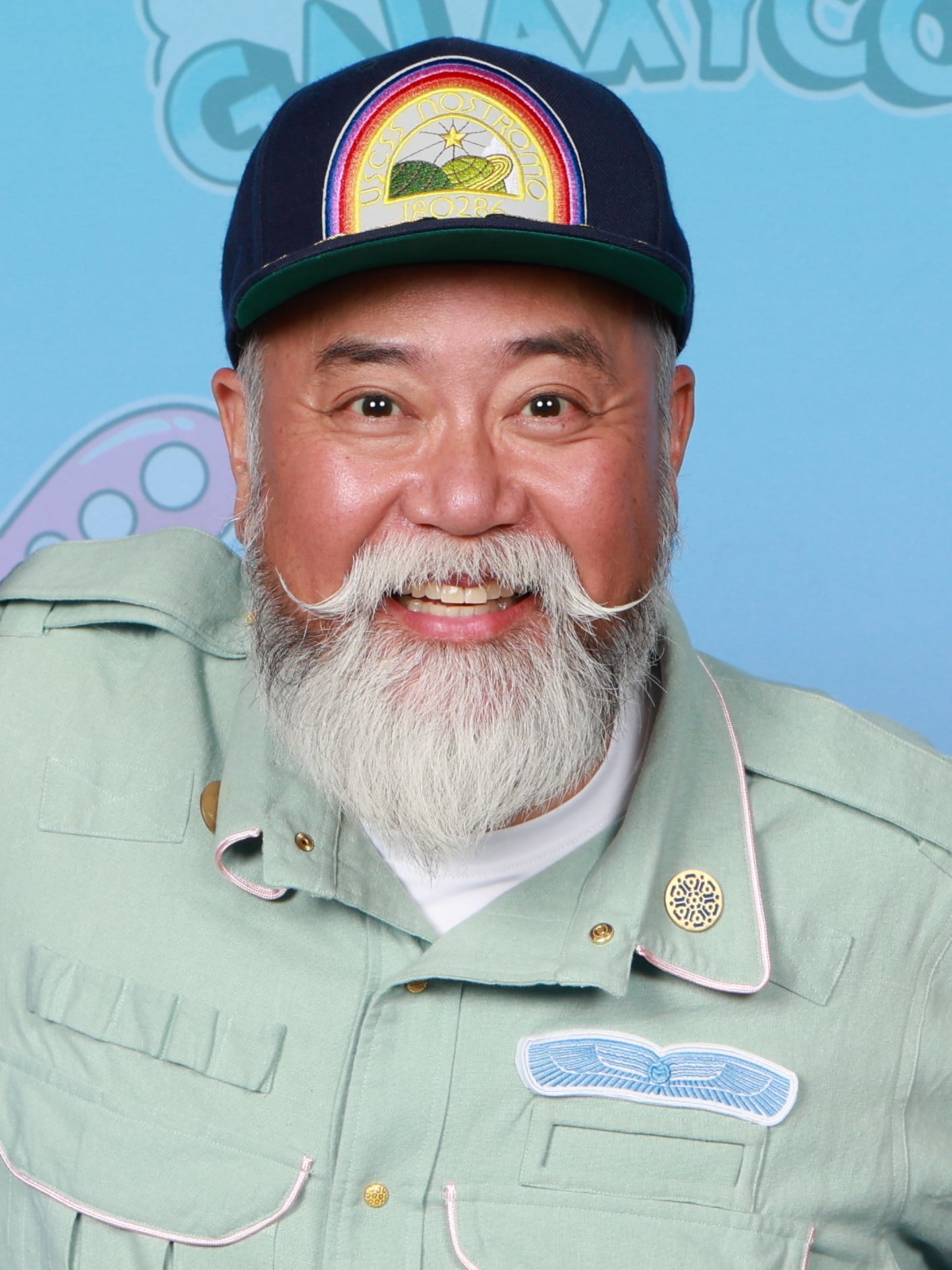
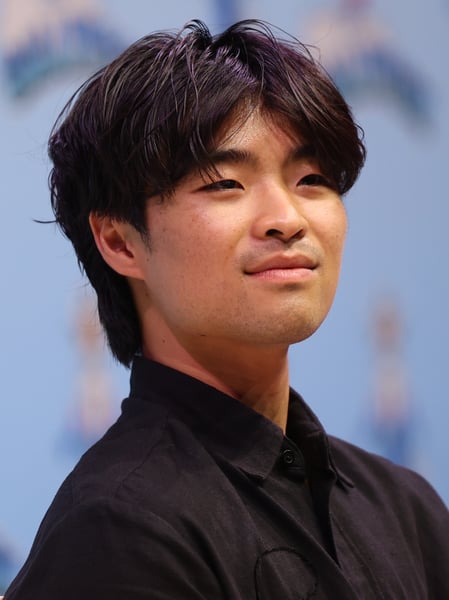
Gordon Cormier returns as Aang, visibly older than in Season 1 and carrying more of the moral weight the character accumulates as the season deepens. Kiawentiio’s Katara takes on greater narrative agency in the Earth Kingdom. Ian Ousley’s Sokka gets the slightly looser, more comedic register the character always deserved. Dallas Liu’s Zuko, in exile with Paul Sun-Hyung Lee’s Iroh, begins the slow turn from antagonist to something more complicated, a journey the animated series built across three full seasons and that the live-action version is racing to suggest inside seven episodes. The showrunner, Albert Kim, and his creative team filmed Seasons 2 and 3 back-to-back, which means that whatever groundwork is being laid now already has a destination.
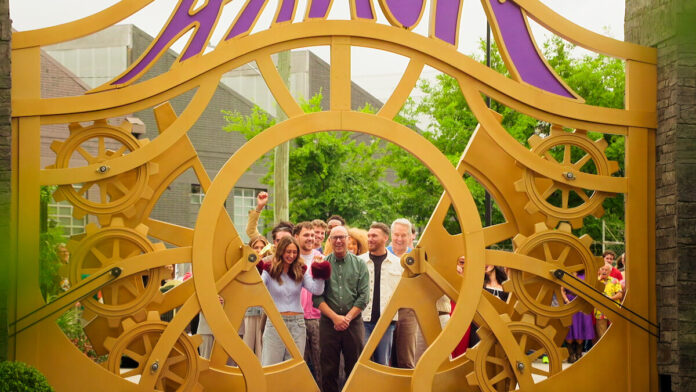
Ba Sing Se was constructed as a full outdoor practical set on a back lot, a choice that signals both the production’s ambition and its constraints. The Earth Kingdom capital functions in Season 2 as a city with secrets: a bureaucratic surface order maintained by the Dai Li, the secret police who enforce the king’s amnesia about the war being fought at the kingdom’s walls, beneath which the actual power dynamics run entirely counter to everything the Earth King believes about his own domain. Elizabeth Yu’s Azula engineers this collapse from the inside. It is the season’s most dramatically dense storyline, and the one that gives the production’s investment in Ba Sing Se’s physical construction something to justify it. Among the summer streaming calendar, the Avatar premiere lands the same week as the final season of The Bear on FX/Hulu, marking one of the densest weeks of prestige television premieres in recent memory.
The season introduces several supporting figures beyond Toph. Daniel Dae Kim’s Fire Lord Ozai is given slightly more screen time than in Season 1, moving from an implied threat to a present one. Amanda Zhou plays Joo Dee, the public servant who serves as Ba Sing Se’s smiling, permanent greeter, a character whose cheerfulness is among the more efficiently unsettling things the season deploys. The creative team drew on the animated series’ concept of Ba Sing Se as a city that forgets the war is happening, and used the built-in dramatic irony of an audience that knows the city’s fate to pull tension forward through episodes that might otherwise feel procedural.
The season arrives two weeks before Emmy nominations are announced on July 8, and while Avatar: The Last Airbender is unlikely to figure prominently in this cycle’s conversation, the show’s improvement in Season 2 positions it as a more credible contender for future recognition in technical categories: visual effects, production design, and possibly costume design. The Academy’s newly expanded voter pool, which this week welcomed 529 new members including a significant cohort from outside the United States, suggests that the entertainment industry’s formal recognition systems are more attentive to global popular culture franchises than they were a decade ago.
The back-to-back production of Seasons 2 and 3 means Netflix has already made its bet. The question Season 2 leaves open is not whether the show has improved. It has. The real question is whether that improvement is enough to sustain a franchise through the end of the animated series’ story, which runs three seasons and concludes with a confrontation the live-action version hasn’t yet earned its way toward. Miyako Cech’s Toph can carry a scene, and at moments a whole episode. Whether she can carry a franchise into whatever Book III becomes is what the next season will have to answer.