
LOS ANGELES – The distance from a ten-minute standing ovation on the Croisette to the Netflix autoplay queue is wider than it sounds. “A Private Life,” Rebecca Zlotowski’s wry French thriller, crosses that distance today, arriving on the platform fourteen months after its world premiere at the 78th Cannes Film Festival drew one of the Out of Competition section’s most prolonged shows of approval.
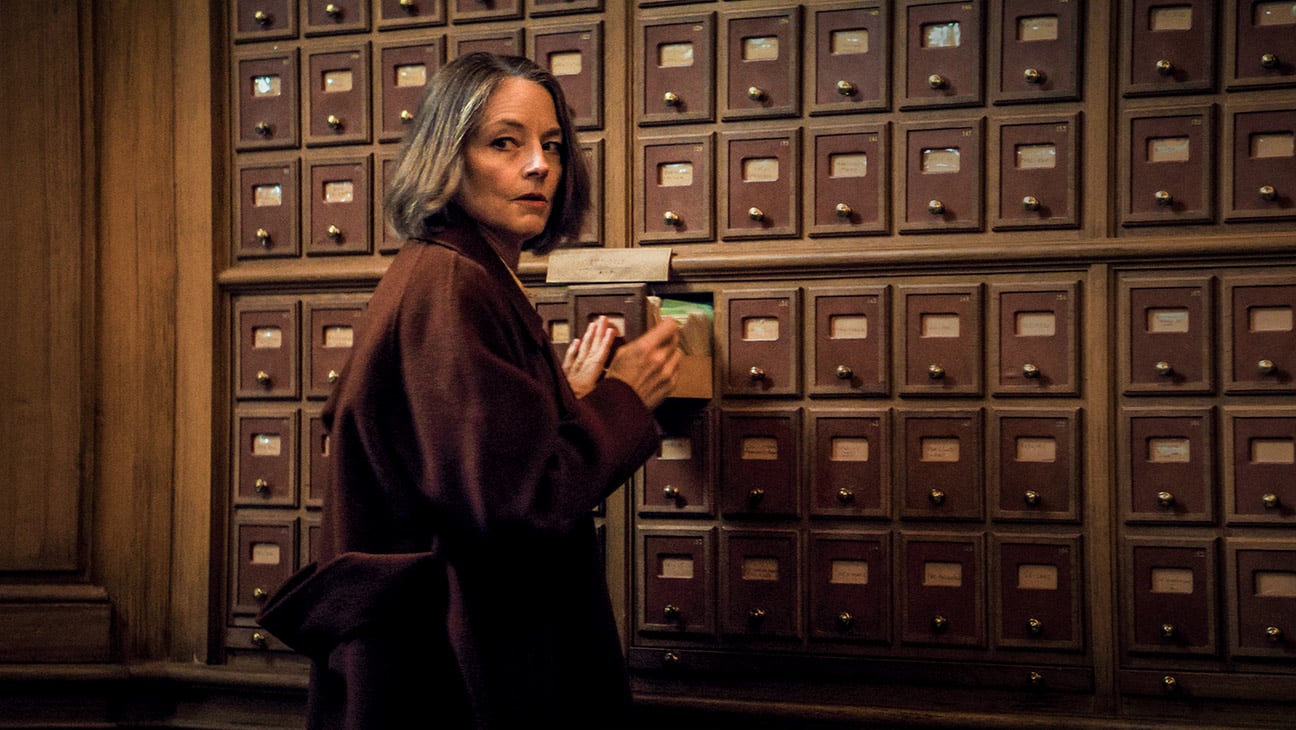
The film represents something more pointed than a prestige title finding a streaming home. Jodie Foster, the two-time Academy Award winner for “The Silence of the Lambs” and “The Accused,” delivers the performance of her later career here, entirely in French, in a genre she has rarely inhabited on screen, alongside one of the French industry’s most venerable actors. The 82 percent Certified Fresh rating on Rotten Tomatoes, drawn from 143 reviews, suggests critics noticed.
Netflix’s acquisition of the film operates through its ongoing content arrangement with Sony Pictures Classics, which distributed the picture in the United States and holds an 18-month streaming window. The mechanism is familiar: Sony Pictures Classics acquires a Cannes film, stewards a limited theatrical release, then delivers to a streamer the audience it could never reach in art-house cinemas. It is a path other Cannes-acclaimed films have taken this year, and “A Private Life” arrives with more critical momentum behind it than most.
The story Zlotowski built, co-written with novelist Anne Berest, follows Dr. Lilian Steiner, an American psychiatrist who has made a life in Paris and whose ordered professional world fractures when one of her patients dies. The police find nothing alarming. Steiner cannot accept that conclusion, and the film pursues her into an investigation that Zlotowski handles with roughly equal parts suspicion and affection, moving between Hitchcockian procedural and something closer to screwball comedy without settling into either.
Foster does the film’s heaviest lifting in a language she has clearly worked to make her own. Critics at both the 78th Cannes Film Festival and in subsequent reviews noted her French as impeccable. American performers who take on European productions often carry an audible seam where the linguistic effort shows, and Foster does not. What distinguishes this performance from her recent American work is precisely a looseness, a comedy register she has rarely been asked to exercise in projects of this ambition. The Hollywood Reporter noted her willingness to “loosen up and have fun,” and that she “gets to exercise comedy chops too seldom tapped” in her American projects.
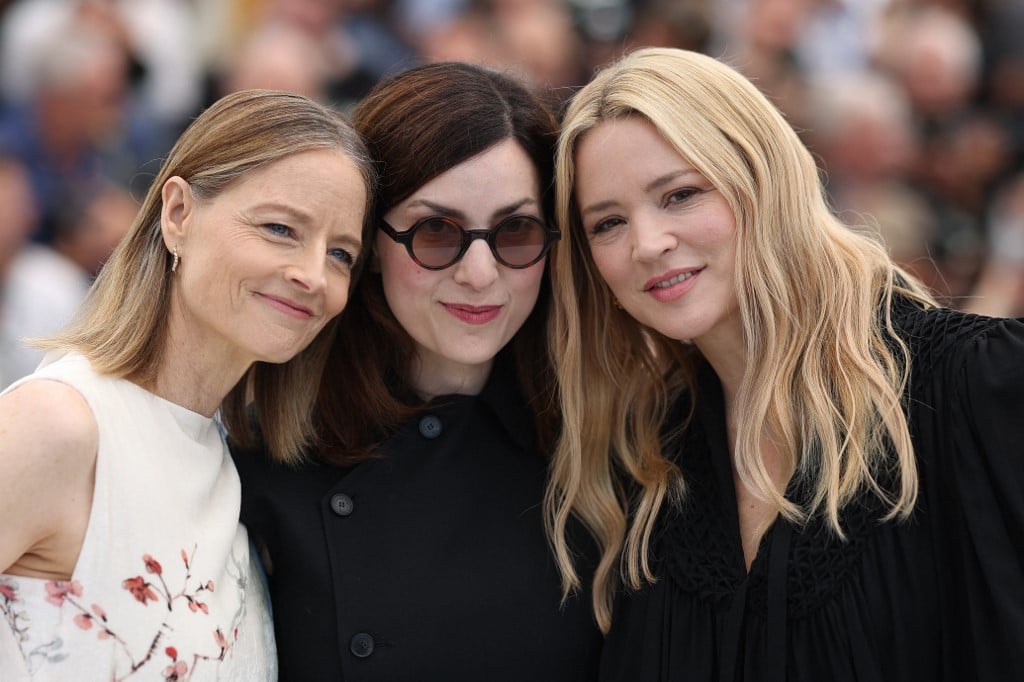
Daniel Auteuil plays Gabriel Haddad, Steiner’s ex-husband, and the chemistry between them operates as the film’s most consistent pleasure. Their scenes carry the weight of a long shared history, mutual affection and unresolved feeling surfacing through banter and pointed silences. Virginie Efira, Mathieu Amalric, Vincent Lacoste, and Luàna Bajrami fill out a cast drawn entirely from the French industry’s front rank. Documentary filmmaker Frederick Wiseman appears in what has been confirmed as his final on-screen acting role.
The film traveled from Cannes to the Toronto International Film Festival before closing the Deauville Film Festival, a French-American co-production circuit that mirrors the film’s own Franco-American thematic center. Along the way, Foster earned a Lumière Award nomination for Best Actress from the French film critics’ body. No American actor had previously received that distinction, and whether it translates into any awards traction in the United States this coming season remains an open question the studio has not yet answered publicly.
Neon’s late-year rollout of other Cannes titles heading toward awards season suggests the festival’s selections are drawing sustained distributor interest, but “A Private Life” arrives on a different trajectory, bypassing theatrical expansion in favor of the broader reach Netflix provides under the Sony deal. That trade-off is the one detail Zlotowski and Foster have least control over.
The director told the Cannes press corps in May 2025 that she had been drawn to a question about psychiatry: what a clinician does with knowledge she cannot use, the material that accumulates across thousands of sessions and has no permissible exit. That question gives “A Private Life” its most interesting undertow, beneath the mystery, the comedy, and the pleasures of watching Foster and Auteuil work through their characters’ complicated history. Whether the Netflix algorithm is designed to surface that kind of film to the audience most likely to value it is, for now, the story’s unanswered final scene.