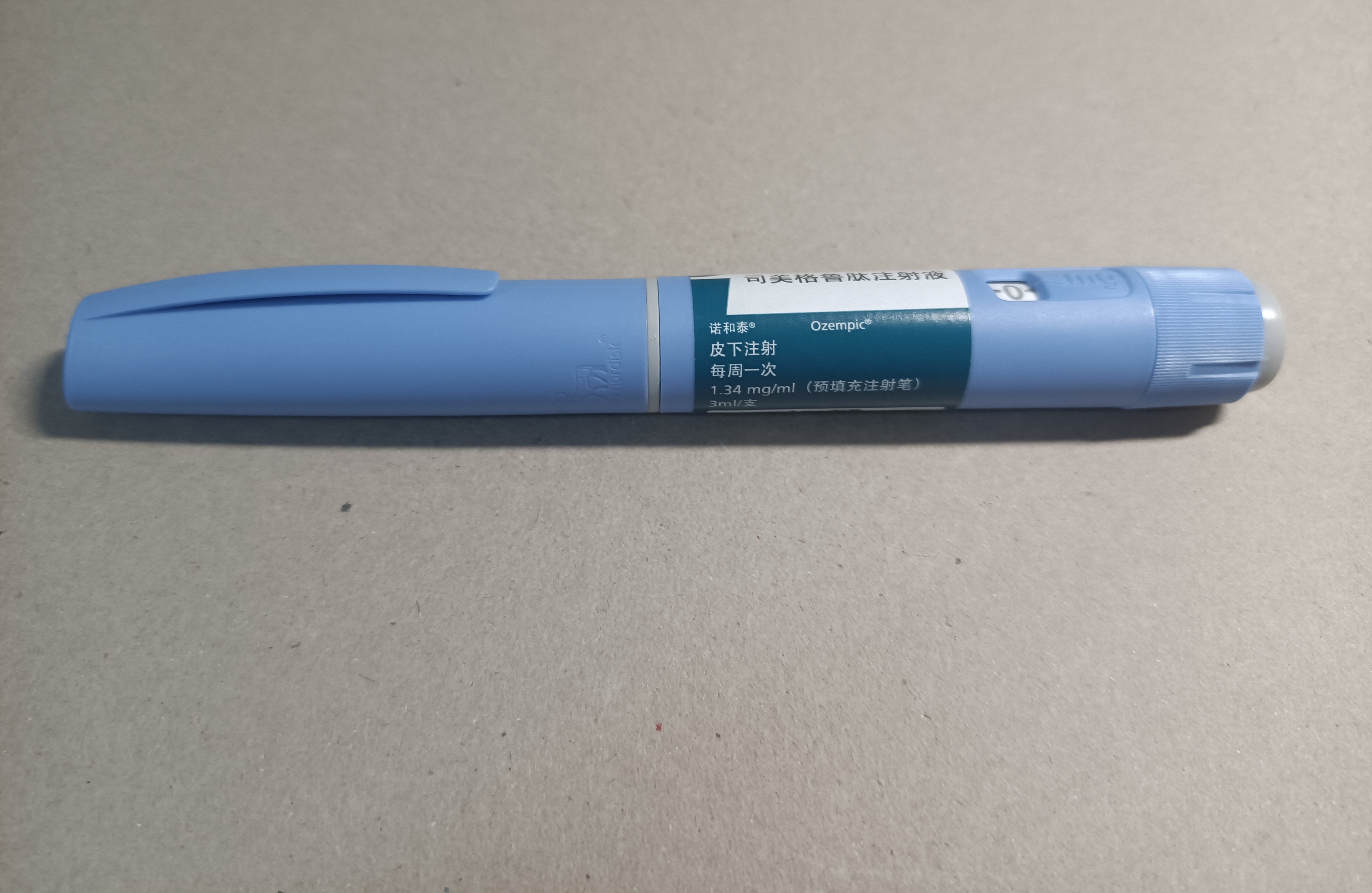

SAN ANTONIO — She had already taken her Ozempic injection that week. At least she thought she had. The pen on the refrigerator shelf looked the same as last week’s. Seven days, every week, but the weeks blur, and the pen does not send a reminder. So she called poison control.
It was not an unusual call. By 2023, calls like hers were arriving at poison control centers across the United States more than 8,000 times a year.
A study published Thursday in the Journal of Medical Toxicology has traced that surge to a single regulatory inflection point: the June 2021 decision by the U.S. Food and Drug Administration to approve semaglutide for chronic weight management in adults with obesity. Before that approval, American poison control centers handled roughly 1,000 to 1,500 GLP-1-related calls a year. After mid-2021, that number nearly doubled within months, and kept climbing.
Jordan Miller, an undergraduate student at the University of Texas at San Antonio who led the research, analyzed data from the National Poison Data System, which aggregates reports from poison control centers across the continental United States. She presented the findings at UTSA’s Los Datos conference and won first prize. The research was simultaneously published as the cover story in Significance, the flagship journal of the Royal Statistical Society and the American Statistical Association.
The data pointed to two specific mistakes driving the majority of calls. Patients were injecting daily instead of weekly. And they were starting at the maximum dose rather than working through the four-week titration schedule that Ozempic’s prescribing information requires. “Can you imagine something you’re supposed to trickle up to, and you’re going full blast and seven times more often than you’re supposed to?” Miller said, describing what the numbers showed.
Semaglutide, sold under the brand names Ozempic for type 2 diabetes and Wegovy for obesity, accounted for 64 percent of all GLP-1-related calls in the study period, a figure that reflects its extraordinary commercial penetration. By late 2023, Novo Nordisk’s semaglutide products were among the most-prescribed branded injectable medications in the United States, with millions of patients accessing the drug through primary care offices, telehealth platforms, and, in some states, compounding pharmacies, rather than the endocrinology specialists who once managed GLP-1 prescribing almost exclusively.
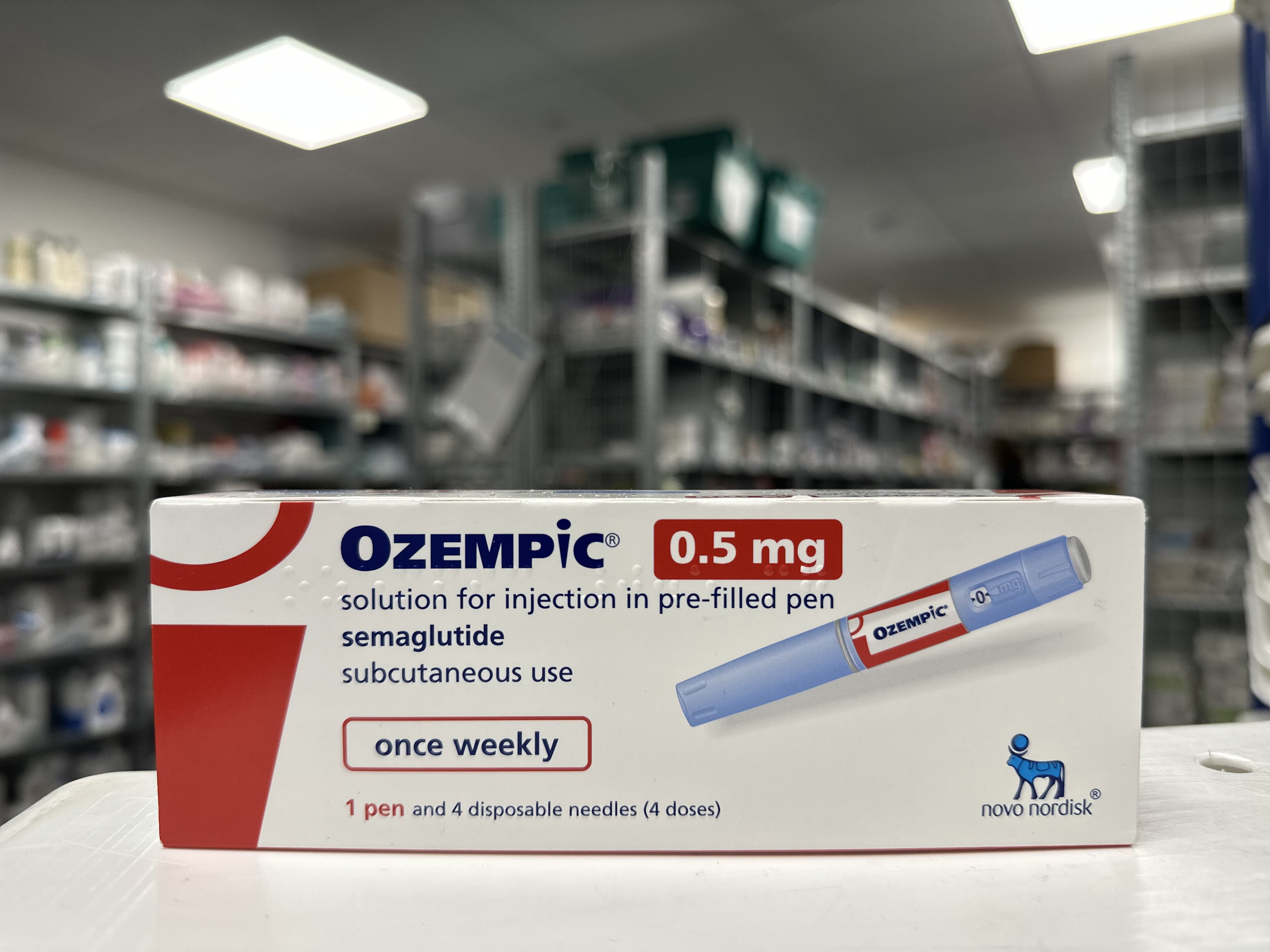
The pen-style delivery mechanism is where most of the trouble originates. Unlike a daily oral tablet, which creates its own built-in memory cue, a weekly injectable requires patients to track injection timing across seven days, navigate dose-adjustment schedules that change every four weeks, and distinguish between pens of different strengths that can look nearly identical. One patient picks up last month’s lower-dose pen by mistake. Another, eager to see results faster, injects the full therapeutic dose in week one rather than waiting. A third simply loses count.
The vast majority of calls in Miller’s study, consistent with earlier published research on GLP-1 exposures reported to U.S. poison centers, were coded as therapeutic errors or unintentional exposures rather than deliberate misuse. This is not a story about people crushing Ozempic or taking it recreationally. It is a story about patients who wanted to follow their prescription correctly and were not equipped to do so.
The FDA approval timeline explains why. When the agency cleared semaglutide for type 2 diabetes under the Ozempic brand in 2017, the prescriber ecosystem was specialized: endocrinologists and diabetologists who routinely managed injectable medications and their dosing protocols. The 2021 obesity approval expanded that ecosystem dramatically. Prescriptions began flowing through general practitioners and digital health platforms without the built-in patient education that specialty clinics had developed over years. The drug reached a new population faster than the knowledge needed to use it safely could follow.
GLP-1 drugs have also begun generating evidence that extends far beyond metabolic health. An observational study presented this month at the American Society of Clinical Oncology annual meeting found that women taking semaglutide and similar agents had roughly 30 percent lower odds of developing breast cancer, a finding compelling enough that researchers have since launched a dedicated clinical trial to test whether the effect is causal. The drugs are expanding in several directions simultaneously, each one pulling in patient populations that may not have received the same dosing education that earlier users did.
The study’s central limitation is also its most important transparency. Miller’s team counted calls, not consequences. The National Poison Data System records contact volume and the circumstances reported at the time of the call, not whether callers were subsequently hospitalized, treated in emergency rooms, or experienced lasting harm. How serious the 8,000-plus annual calls of 2023 actually were remains, for now, unmeasured.
The stakes of that unknown are rising. As oral GLP-1 formulations move toward Medicare coverage at a flat $50 a month as early as next month, millions of Americans who have never managed a weekly injectable will encounter the same drug class in a once-daily pill format. A pill that, if missed, prompts the same question that sent the woman to the refrigerator in the first place.
Did I already take it today?