YORBA LINDA, Calif. – A sitting vice president does not often choose the library of a president who resigned in disgrace for a book tour. JD Vance chose it Thursday, and used the occasion to argue that the crime that ended Richard Nixon’s presidency would today be a 12-hour distraction.
“If Watergate happened tomorrow, it would be like a 12-hour news story,” Vance said during his appearance at the Richard Nixon Presidential Library in Yorba Linda, California. “The idea that it would have taken down a presidency is crazy.” He was promoting his new book, Communion, which examines American identity and political culture.
Vance went further, drawing a direct line between the forces that drove Nixon from office in 1974 and the political opposition to Donald Trump. “If you look at the story of how the deep state took down Richard Nixon, it’s not all that different from what the same groups of people, the same institutions tried to do to Donald Trump in the first Trump administration,” he said. Trump was impeached twice during his first term and faced criminal indictments that were eventually dropped after his re-election in November 2024.
He also found personal resemblances between himself and Nixon. “Young senator, vice president, writes some bestselling books, is hated by the media,” Vance said. “It kind of sounds like JD Vance.” He added: “I’ve always liked Richard Nixon.” Nixon resigned the presidency in August 1974 rather than face near-certain impeachment after recordings confirmed his role in directing the cover-up of the Watergate break-in.
The comparison is unusual territory for a senior Republican official. Nixon left the White House as the only U.S. president to have resigned the office. He was granted a pardon by his successor, Gerald Ford, for any crimes he may have committed as president, a decision that damaged Ford’s political standing for years. Framing Nixon as a victim of institutional overreach rather than a president who obstructed justice cuts against the historical record established by the White House tapes, which Nixon’s own administration had been forced to release.
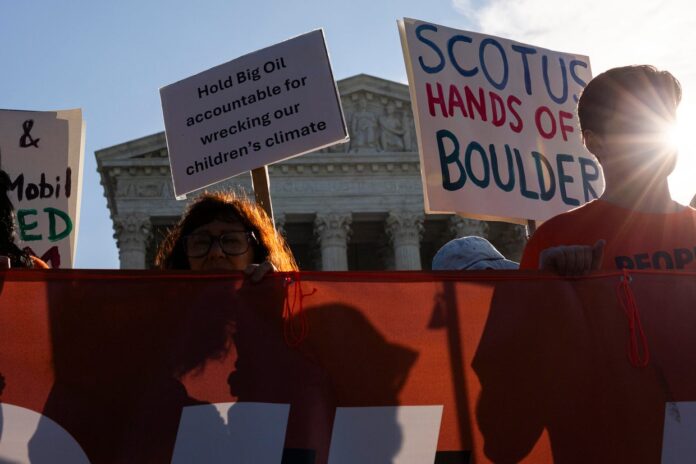
The event drew demonstrators. Protesters outside the library heckled Vance in Spanish, prompting a quip that drew applause from the audience inside. “Use a language I actually understand!” Vance said. Immigration advocates and California Democratic officials called the remark a dismissal of tens of millions of American citizens and legal residents who speak Spanish as a first or primary language.
California congressional Democrats called the Nixon comparison evidence of an administration that has normalized the idea that legal accountability is itself a form of political persecution. Watergate involved not merely the 1972 break-in at the Democratic National Committee headquarters but an 18-month cover-up that included obstruction of justice, destruction of evidence, and the Saturday Night Massacre, in which Nixon ordered the firing of the special prosecutor investigating him. The Senate Watergate Committee held nationally televised hearings that drew millions of viewers across party lines.
Vance’s claim that the scandal would be a “12-hour news story” in today’s environment is a contested assertion. Bloomberg reported his remarks drew immediate attention from legal scholars and former prosecutors. The Watergate investigation succeeded not because of media coverage alone but because of Senate subpoena power, White House tape recordings, and a House Judiciary Committee vote to impeach that included several Republicans. Whether those institutional mechanisms would function the same way in the current political environment is a separate question from whether they would survive a 24-hour news cycle.
Vance’s appearance at the Nixon Library is not the first time his administration has looked to Nixon as a relevant precedent. Trump’s first term advisers frequently invoked the “deep state” framing that Vance repeated Thursday, and the legal theory that executive power should be concentrated in the White House traces partly to theories developed in the post-Watergate era, when Congress passed reforms intended to prevent future presidents from doing what Nixon had done.
The Nixon Presidential Library came under the National Archives in 2007 after decades of operating under the management of the Nixon Foundation, which had controlled its narrative. Since then, the archives have included fuller public access to the White House tapes. The tapes confirm, in Nixon’s own voice, his instruction to the CIA to block the FBI’s Watergate investigation. Whether that evidence, now fully public, would produce a different political outcome today is the question Vance left hanging in Yorba Linda on Thursday. He seemed to believe the answer was no, and treated that as a point in the present’s favor.