
WASHINGTON – Eight years of federal undercover purchases. More than forty orders for illegal pharmaceuticals and counterfeiting equipment placed by law enforcement through the same channels any buyer would use. The bill arrived Thursday: six hundred million dollars.
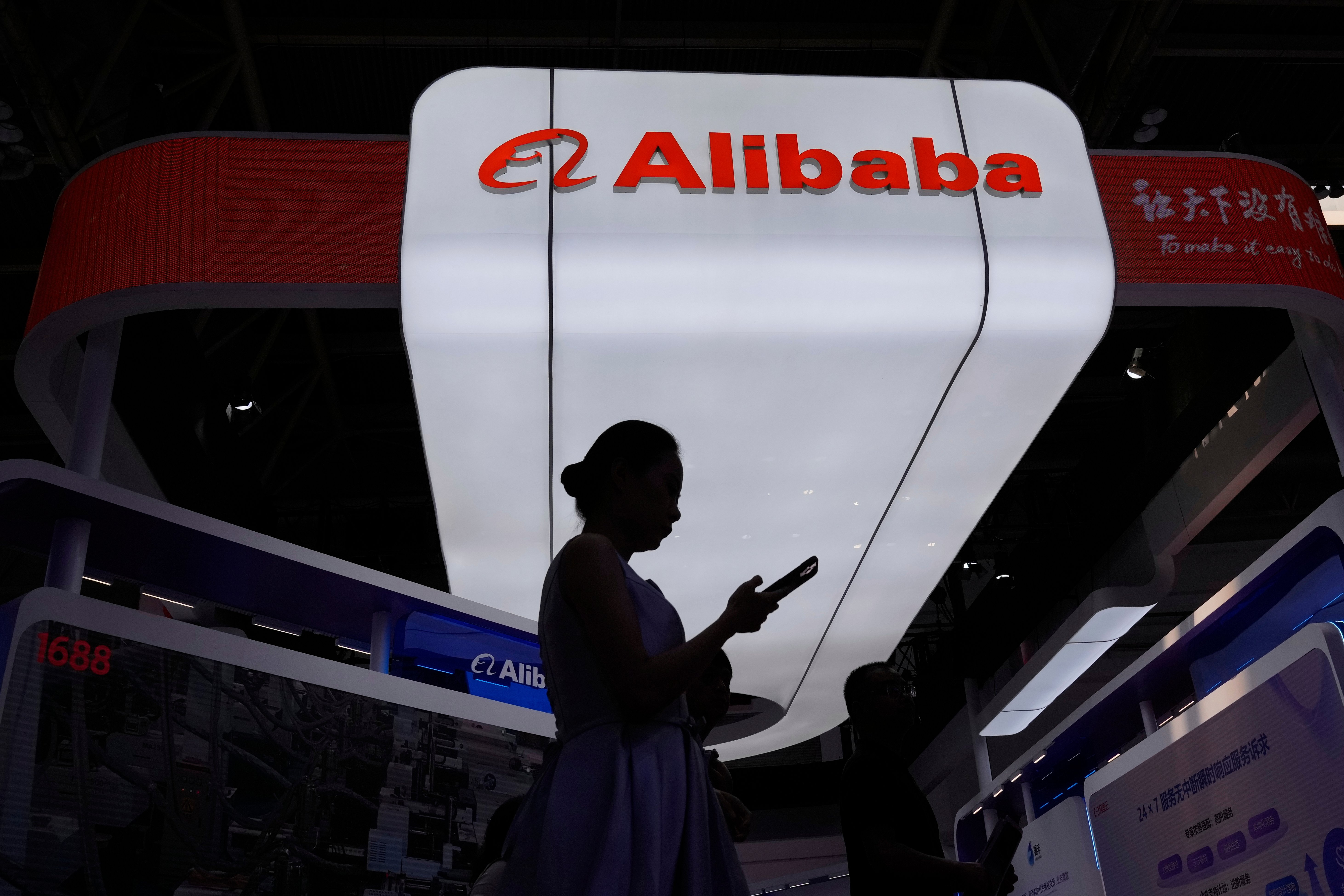
Alibaba Group Holding and its United States payment-processing arm, AUS Merchant Services, agreed to pay $600 million to resolve allegations that they failed to prevent merchants from selling and importing illegal drugs, controlled substances, listed chemicals, and pharmaceutical-grade counterfeiting equipment through the company’s e-commerce platforms, the US Justice Department announced on Thursday.
The settlement, structured as non-prosecution agreements for both entities, covers conduct between January 2016 and December 2024 across Alibaba.com and AliExpress.com. Federal prosecutors said approximately 80,000 product sales violated US law during that period, with merchandise value exceeding $200 million. The payment splits between the two companies: Alibaba pays $325 million – $125 million as a criminal penalty and $200 million in forfeiture – while AUS Merchant Services pays $275 million, composed of $85 million in criminal penalties and $190 million in forfeiture.
At the core of the government’s findings is a compliance program that prosecutors described as inadequate by design. When law enforcement conducted undercover purchases – more than 40 in total – illegal pharmaceuticals and restricted equipment arrived. More troublingly, internal Alibaba employees had identified the compliance gaps. Their concerns did not produce adequate remediation.
AUS Merchant Services, Alibaba’s United States payment processor, had its own distinct failures. Its anti-money laundering program left systematic blind spots: wire transfers arriving from high-risk jurisdictions went unmonitored, multiple payors sending payments on a single invoice did not trigger review, and the processor’s response to flagged merchants consisted of reporting them to Alibaba rather than restricting their ability to transact. At least one merchant notified to Alibaba this way continued selling illegal goods afterward.
“Companies operating online marketplaces must implement appropriate controls,” Assistant Attorney General Brett Shumate said in a statement. Criminal Division Assistant Attorney General Tysen Duva described the settlement as closing “another channel for illegal pharma.” First Assistant US Attorney Charles Calenda of the District of Rhode Island, which led the investigation, said the $600 million figure represented the largest monetary settlement in that district’s history.
Alibaba, in a company statement, said the settlement “reflects a thorough regulatory process with Alibaba’s full cooperation and our commitment to best-in-class standards of control.” Under the terms of the non-prosecution agreements, both entities must enhance their compliance programs and continue cooperating with the Justice Department on any ongoing or future criminal investigations related to this conduct. The question left open by that phrasing – whether such investigations relate to this same conduct or separate matters – is one the DOJ did not address publicly.
The settlement arrives as US scrutiny of Chinese-operated digital platforms has intensified on multiple fronts. AliExpress, the consumer-facing marketplace included in the settlement, has grown substantially in the United States since 2020, competing with Amazon, Temu, and Shein for American shoppers seeking low-cost goods shipped from Chinese warehouses. That consumer expansion ran in parallel with the conduct the DOJ has now penalized. Al Jazeera reported that undercover purchases were conducted on the platforms throughout the period under review.
Beijing’s posture toward this kind of settlement is more complicated than any official statement will acknowledge. This week, China enacted its 2026 Outbound Direct Investment Regulation, giving Beijing formal legal authority to probe foreign governments that it judges to have erected unreasonable barriers against Chinese investors and companies operating abroad. The regulation is, in part, a strategic response to years of tightening US and European restrictions on Chinese commercial activity. A settlement in which China’s most prominent e-commerce company admits, through a non-prosecution agreement, that it failed to prevent $200 million in illegal imports does not sit cleanly within that legal and diplomatic posture.
What the Alibaba settlement does is establish a high-water mark for marketplace liability in American law. The underlying legal theory – that a platform can be held responsible under criminal law for not adequately policing its third-party merchants – is not new, but the $600 million scale and the eight-year scope are. US regulators have signaled interest in applying similar scrutiny to other global platforms operating in the domestic market.
AliExpress separately faces an evolving regulatory environment in the European Union, where the platform was designated a Very Large Online Platform under the Digital Services Act and is currently under investigation by the European Commission for failure to prevent the sale of unsafe and illegal goods. The US settlement adds a documented fact pattern the EU regulators did not previously have in their possession.
The compliance roadmap Alibaba now faces is not well defined. The non-prosecution agreement requires enhanced controls, but what that means in practice – whether Alibaba.com and AliExpress face systematic audits, what product categories require third-party verification of merchant identity, or whether certain payment patterns automatically trigger account suspension – will be negotiated in compliance reviews conducted without public visibility. Eight years of inadequate controls produced this settlement. What the next eight years look like depends on how seriously both the company and its regulator treat the obligations that settlement imposed.