
The Lakers spent the day after LeBron James officially walked away doing what a front office does when standing still is not an option. They mortgaged the next seven drafts, and they did it fast enough that the ink on James’s goodbye had barely dried before Rob Pelinka was on the phone with Utah.
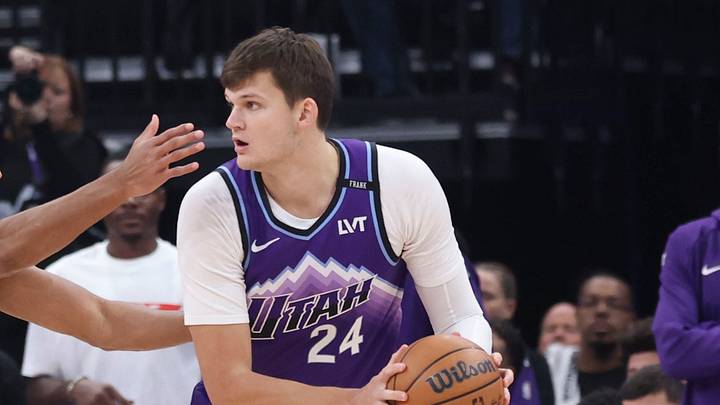
Los Angeles is acquiring center Walker Kessler from the Utah Jazz in a sign-and-trade that will pay him four years and 130 million dollars, according to a report from ESPN, sending Utah unprotected first-round picks in 2031 and 2033 along with first-round swaps in 2028 and 2030. Kessler, a former first-round pick out of Auburn who has spent his entire career in Utah, averaged 14.4 points on 70.3 percent shooting, 10.8 rebounds and 1.8 blocks in five games last season before a torn labrum in his left shoulder ended his year early, numbers that made him, in the Lakers’ internal calculus, the shot-blocking center the roster had lacked since Anthony Davis stopped playing the position full time.
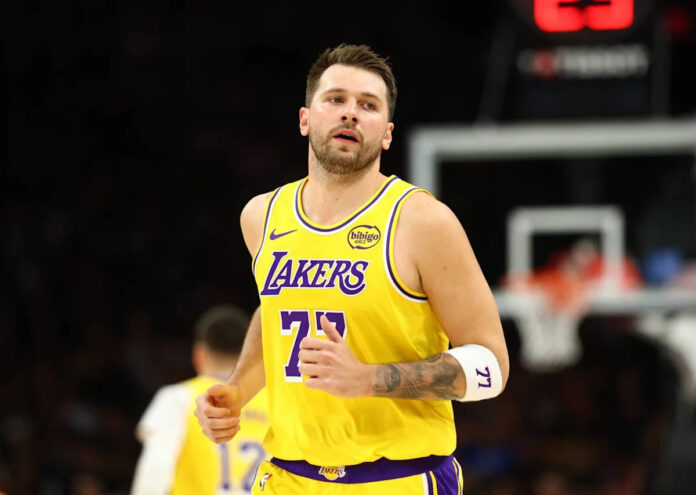
The move is the first real answer the Lakers have given to the question LeBron James forced on them by announcing his departure on June 30. Rob Pelinka and the front office are no longer building around the player who defined the franchise for a decade. They are building, immediately and without much apparent hedging, around Luka Doncic.
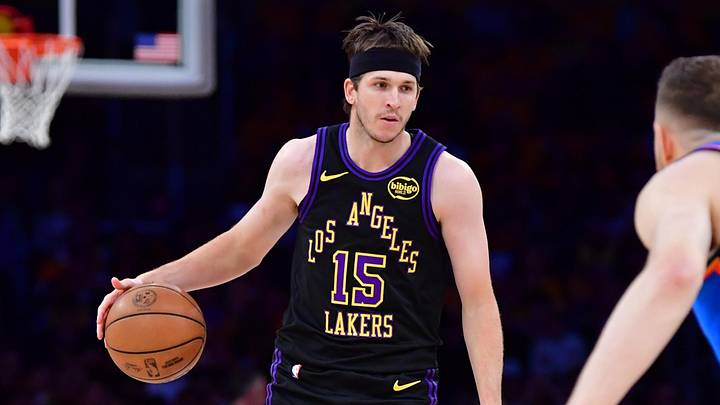
That bet got more expensive within hours. Austin Reaves agreed to a four-year, 185 million dollar deal to stay, the richest contract in NBA history for a player who went undrafted out of Oklahoma in 2021, locking in the backcourt pairing the Lakers now consider their present and future alongside Doncic. Quentin Grimes, who has played alongside Doncic before, signed for four years and 60 million dollars. Collin Sexton, a former lottery pick now on his fourth team, took a two-year, 19 million dollar deal, and Sandro Mamukelashvili, arriving after a season in Toronto, signed for four years and 52 million dollars.
None of it came cheap. The Lakers now have no first-round picks of their own remaining in any future draft, according to a report from Yahoo Sports, while Utah controls ten first-round selections and eleven second-rounders across the next seven years. It is the kind of ledger that only makes sense if Doncic, Reaves and Kessler are good enough, together, to make the picks the Lakers gave up look small in hindsight, and nobody can say that yet.
Kessler’s own health is the other open question the trade does not resolve. He played only five games last season before shoulder surgery, and the four-year commitment the Lakers just made assumes a full recovery for a player who has not been tested at high volume since. The Jazz, notably, were reportedly willing to pay him roughly 140 million dollars over five years to keep him, a price Kessler turned down in favor of Los Angeles and a chance to play alongside Doncic.
Unprotected is the operative word in those 2031 and 2033 picks. Utah gets them regardless of where the Lakers finish, a provision that turns Los Angeles into a house with the deed already signed away if Doncic gets hurt, ages out of his prime early or simply does not mesh with a $130 million center by the time those seasons arrive. Front offices rarely give up unprotected first-rounders that far out unless they believe the alternative, a slower rebuild with James gone and no clear timeline, is the riskier bet.
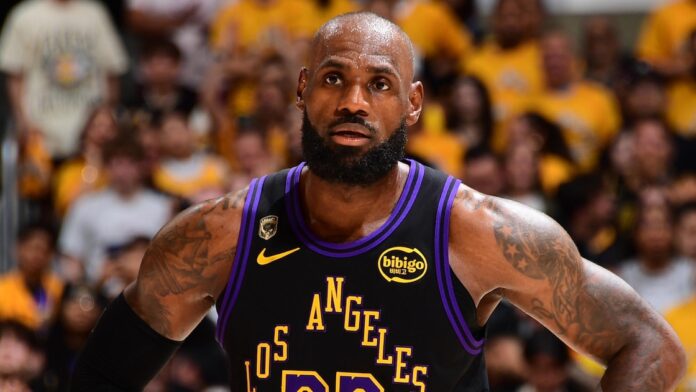
The scale of the reshuffling is easier to see next to what preceded it. James’s exit left the roster without its most decorated player for the first time in more than a decade, and Los Angeles chose to fill the vacuum with size and shooting rather than another star of James’s stature.
It is also, in its way, a continuation of the trade that made Doncic a Laker in the first place. The Lakers’ 2025 blockbuster for Doncic reshaped the roster around a 26-year-old former MVP runner-up instead of an aging Davis, and the Kessler deal is the clearest sign yet that the front office intends to keep building outward from that decision rather than second-guessing it.
Whether any of it works is not something a July press release can answer. Doncic has never played with a rim-protecting center of Kessler’s caliber, Kessler has not proven his shoulder can hold up to 82 games, and the Lakers no longer have the draft capital to correct course if the fit is wrong. Pelinka is betting on chemistry and health he cannot yet verify, with an inventory of future picks he has already spent.