
NEW YORK — The final score was Spain 1, Argentina 0. The other number that mattered Sunday came from Nielsen Media Research: more than 61 million Americans watched, the largest audience ever assembled in the United States for a soccer match.
Fox’s English-language broadcast drew 38.937 million viewers, according to data released by the network Tuesday, a record that superseded every prior benchmark for soccer on American television. At peak, 51.685 million viewers tuned in simultaneously, a figure that would rank as a major event by any measure. Telemundo’s Spanish-language broadcast added another 22.6 million, bringing the combined total to more than 61 million and positioning the final as one of the most-watched sporting events in American television history.
For context: when the United States men’s national team drew 33.5 million viewers for their group stage match against Bosnia three weeks earlier, then the all-time record for a US soccer broadcast, the reaction was that American soccer had entered a new era. Sunday’s final made that number look modest. The 33.5 million that felt historic in early July turned out to be less than the audience drawn by a match the United States was not even playing.
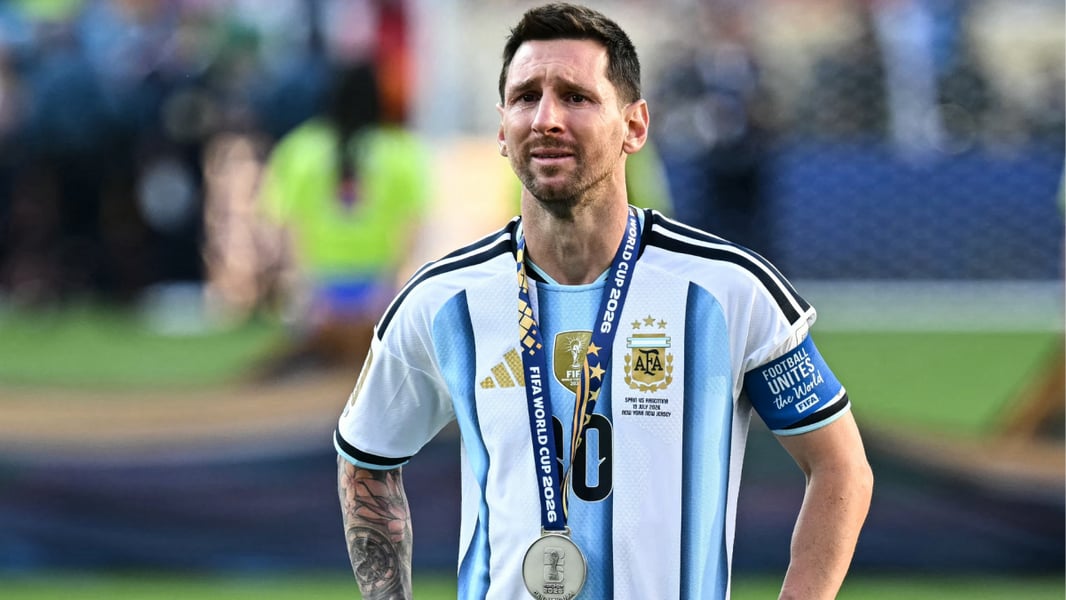
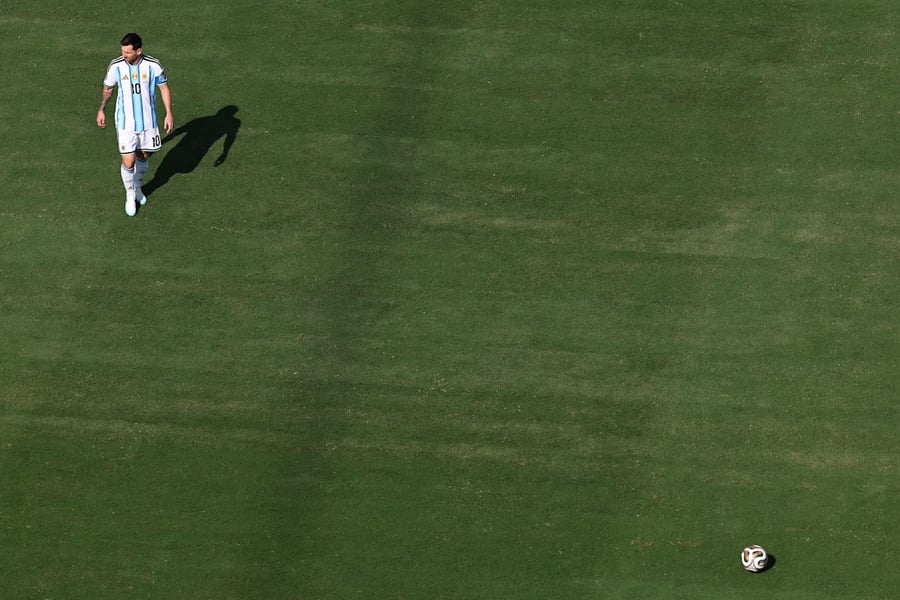
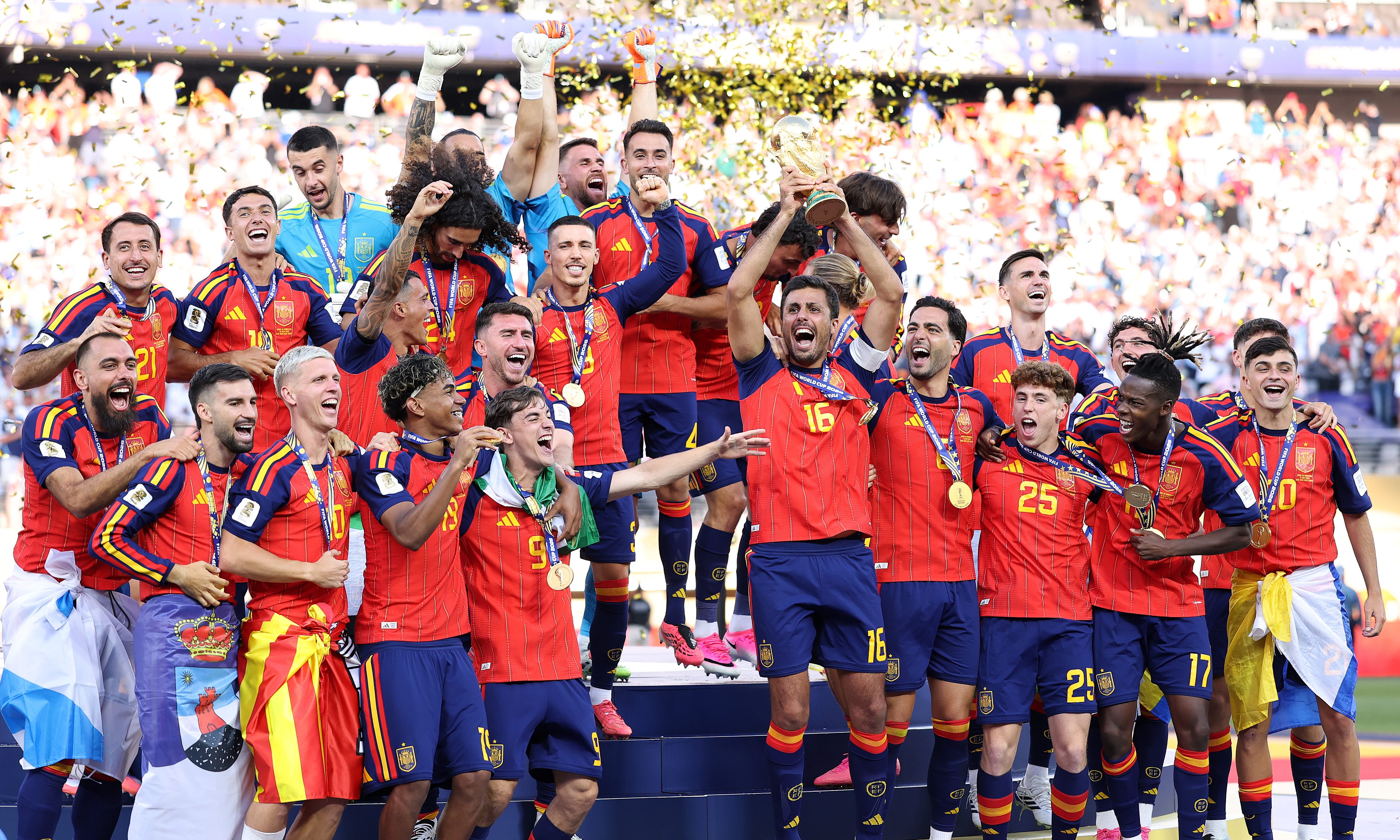
Ferran Torres scored in the 106th minute of extra time at MetLife Stadium to give Spain its second consecutive World Cup title. Lionel Messi played 120 minutes without scoring; the Argentina captain, who turned 39 during this tournament, remains the sport’s most recognizable figure globally, and his presence extended the audience to viewers who followed him more than any tactical contest. The game was tight and largely defensive, resolving on a single Torres chance Argentina could not answer. More than 61 million Americans watched it happen.
The Spain squad that captured the trophy was assembled around a generation of players who came together in a five-year window. Lamine Yamal, 18, started every knockout match and finished the tournament as the clearest evidence of where European football’s talent pipeline runs. Rodri anchored the midfield across seven matches while carrying an injury he had not disclosed publicly until after the tournament ended. Spain’s 1-0 win in extra time was built on defensive organization and a single decisive moment in extra time, a pattern that defined the team’s tournament run.
Fox has televised the World Cup since 2018, when its tournament average was 2.77 million viewers per match. That rose to 3.588 million in 2022 with the United States absent from Qatar. This year, across all 104 broadcasts on Fox, FS1, and Tubi, the network averaged 7.737 million per match, more than double its 2022 figure and nearly three times its 2018 average. The acceleration curve is steep enough that the 2030 World Cup, which returns in a three-continent format, begins with a very different baseline.
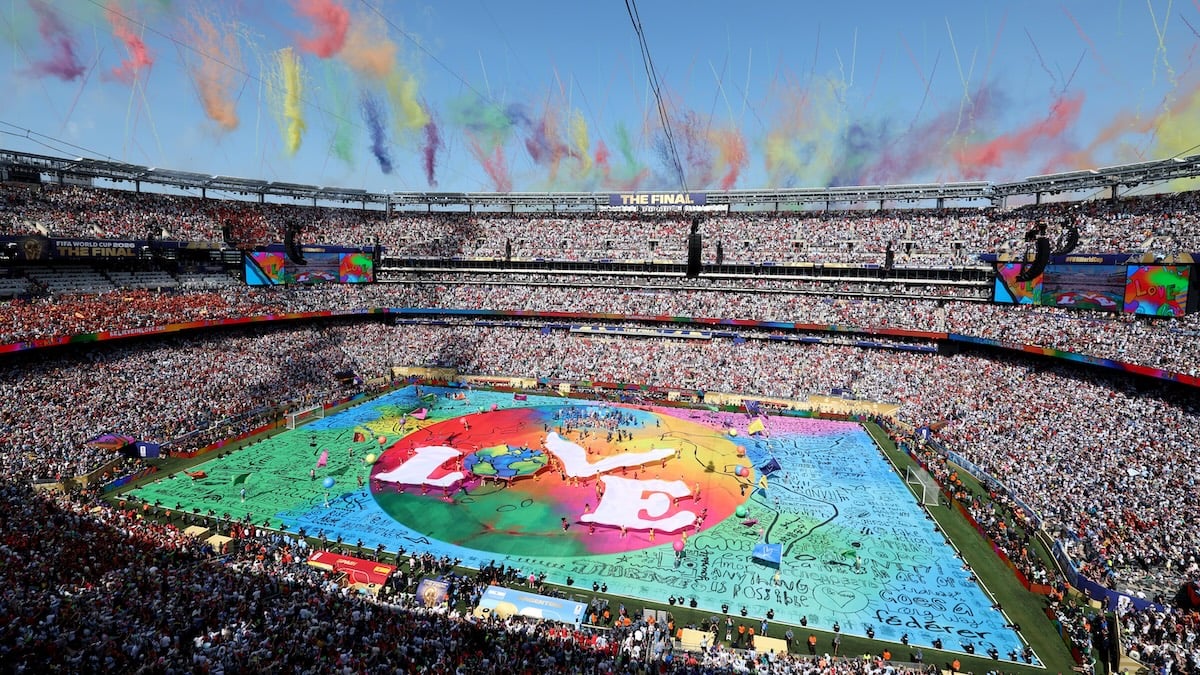
The halftime show at MetLife reinforced what the audience numbers made plain. Madonna, BTS, and Shakira performed in a format borrowed directly from the Super Bowl, and FIFA was explicit about what it was trying to build: not just a tournament hosted on American soil, but a property capable of sustaining the attention of a mass entertainment audience. The overlay attracted viewers who might not have followed the Spain-Argentina tactical contest, contributing to numbers that extended well beyond the sport’s traditional American base.
FIFA President Gianni Infantino placed the US numbers inside a global figure, saying the tournament drew “almost 7 million” stadium spectators and “probably over 6 billion people watching from home.” The global figure is an estimate. The US number is Nielsen-verified. What they share is a scale that no other sport except the Olympics routinely operates at.
The Super Bowl comparison that hangs over all of this: last February’s championship averaged 127 million US viewers, the most-watched broadcast since the previous Super Bowl. Sunday’s 61 million combined figure is roughly half that total. But the trajectory matters as much as the gap. The 2022 World Cup final between France and Argentina, played without the United States in Qatar, averaged around 23 million US viewers. Sunday’s combined number is nearly three times that. If the sport adds a comparable percentage between 2026 and 2030, the arithmetic starts to compress the distance.
The question Sunday cannot answer is what happens to this audience when there is no World Cup. The MLS, the primary domestic professional league, draws a fraction of these numbers in a typical week. The tournament operates as an event, not a league, and event ratings have a habit of resetting when the calendar moves on to club seasons. What the final confirmed is that soccer in the United States now has an event ceiling that nobody measured accurately five years ago. Whether that ceiling can become a floor is the question that takes longer than one Sunday afternoon in July to resolve.
Related Posts