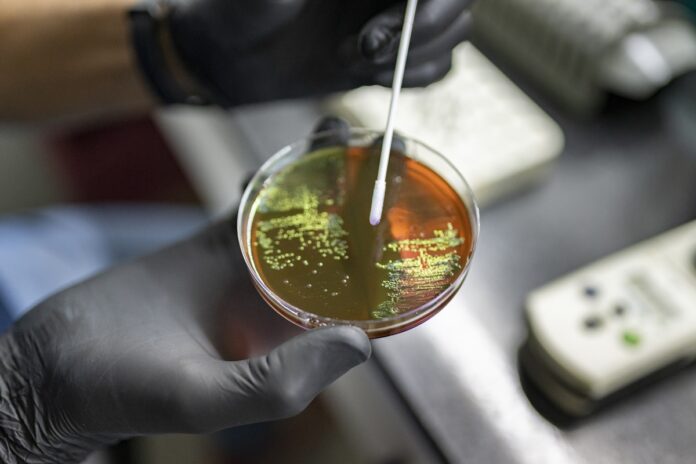

HAMILTON, Ontario — Glioblastoma does not just grow. It recruits. The most aggressive brain cancer known to medicine reaches into a patient’s own immune system and turns the cells meant to fight infection into bodyguards for the tumor itself. A new therapy out of McMaster University is built to attack that betrayal directly, not just the cancer cells sitting behind it.
The research, published in Nature on July 1 and led by Sheila Singh, a professor of surgery and director of the Centre for Discovery in Cancer Research at McMaster, with co-lead author Shan Grewal, drew on collaborators at King’s College London, Northwestern University, the University of Calgary, the University of Toronto and the Hospital for Sick Children. Their target was a protein called Glycoprotein non-metastatic melanoma protein B, or GPNMB, which the team found sitting on the surface of both glioblastoma cancer cells and the tumor-supporting macrophages that glioblastoma recruits to suppress the immune response against it.
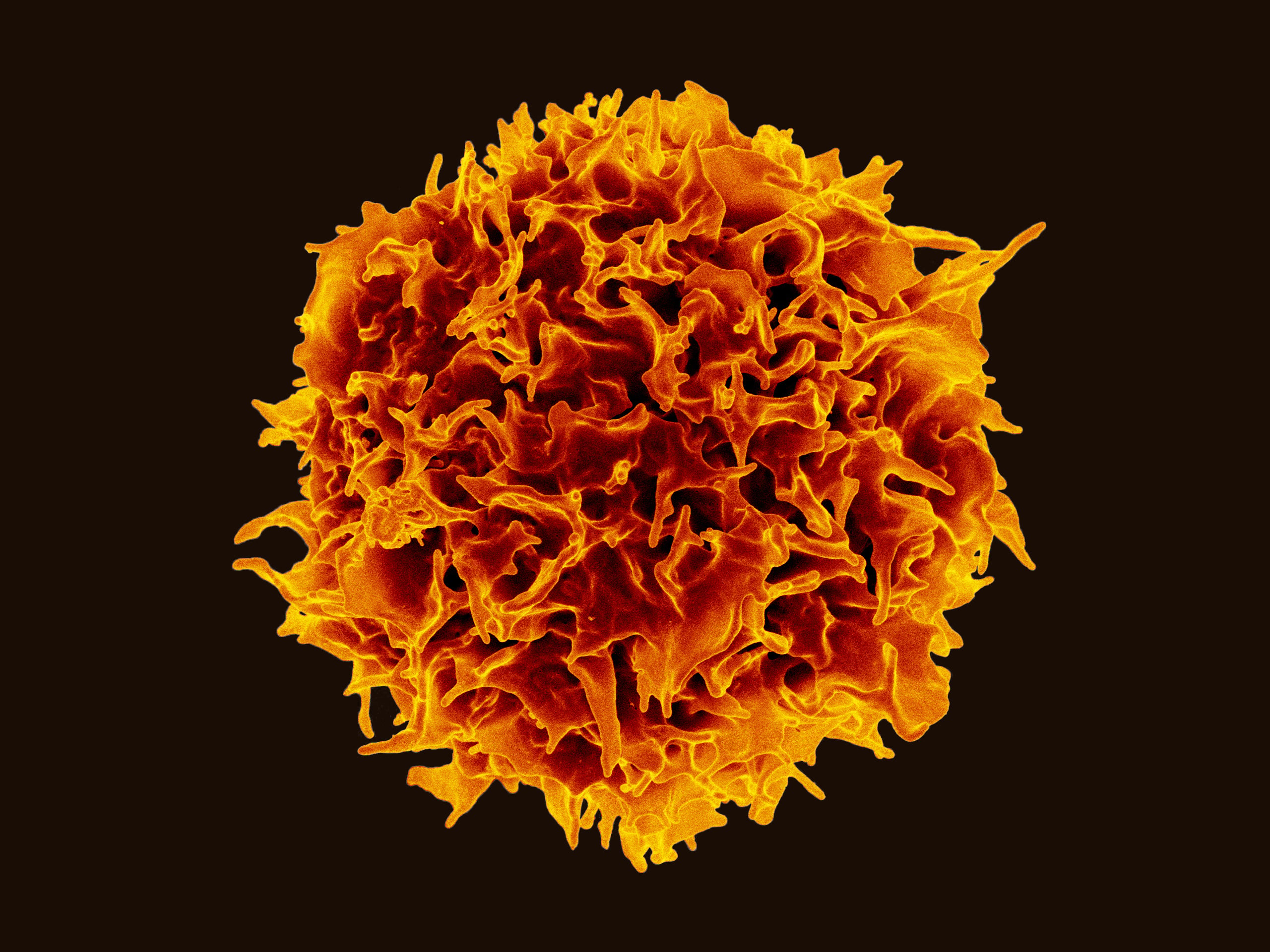
That dual presence is the whole premise of the therapy. Chimeric antigen receptor T-cell treatment, or CAR-T, works by engineering a patient’s own T cells to recognize a specific marker and destroy anything carrying it. Most CAR-T therapies are built to hit one target on the cancer cell alone. Because GPNMB shows up on both the tumor and the macrophages propping it up, Singh’s team built a CAR-T cell that attacks the cancer’s biology on two fronts inside the same treatment.
“Instead of treating the tumor as only a mass of cancer cells, we suggest that we must treat glioblastoma as a connected tumor-immune ecosystem,” Singh said of the reasoning behind the approach. That framing matters clinically, not just conceptually. Glioblastoma has resisted immunotherapy for years less because the drugs cannot kill tumor cells and more because the tumor’s microenvironment actively shields itself, recruiting immune cells that were supposed to be the patient’s defense and repurposing them as camouflage.
In preclinical models, including tumors grown directly from human patient samples, the dual-target CAR-T cells eliminated detectable tumors and produced long-term disease-free survival in the animals tested. Those are the strongest words a cancer researcher can put on a preclinical result, and they explain why the finding is drawing attention beyond McMaster’s own labs. They are not, however, evidence that the therapy works the same way in a living human patient, whose tumor microenvironment and immune system carry complications no mouse model fully replicates.
Singh’s team is explicit that more development work is needed before the therapy can move toward clinical trials, and no timeline has been given for when that might happen. Part of what that development work must confront is a problem oncologists elsewhere are already racing to solve. CAR-T and related immune-engaging therapies carry a real risk of cytokine release syndrome, a violent immune overreaction that currently confines these treatments to specialist centres equipped to manage it, and any glioblastoma-directed CAR-T aimed at brain tissue specifically will face its own version of that safety question before it reaches a single patient.
The find also lands inside a broader scientific reassessment of how central the immune system is to cancer outcomes generally. Research into the thymus gland’s role in long-term cancer resistance has been making a related argument this year: that a tumor’s fate is often decided less by the cancer cells alone than by the surrounding immune architecture the body brings to the fight, healthy or hijacked. Singh’s ecosystem framing is a specific, targeted version of that same idea, applied to a cancer that has defeated nearly every other approach tried against it.
Glioblastoma remains, by the numbers oncologists cite most often, one of the least survivable cancers in medicine, with most patients living only months past diagnosis regardless of surgery, radiation or chemotherapy. What Singh’s team has not yet done, and says plainly it has not yet done, is prove any of that changes for a human being. The mice lived longer. Whether a person will is the question the next phase of research now has to answer, and neither the paper nor its authors pretend to know how long that will take.