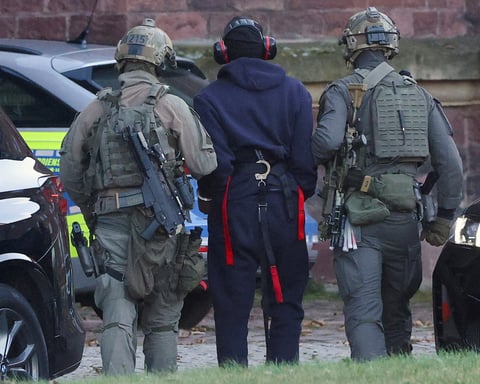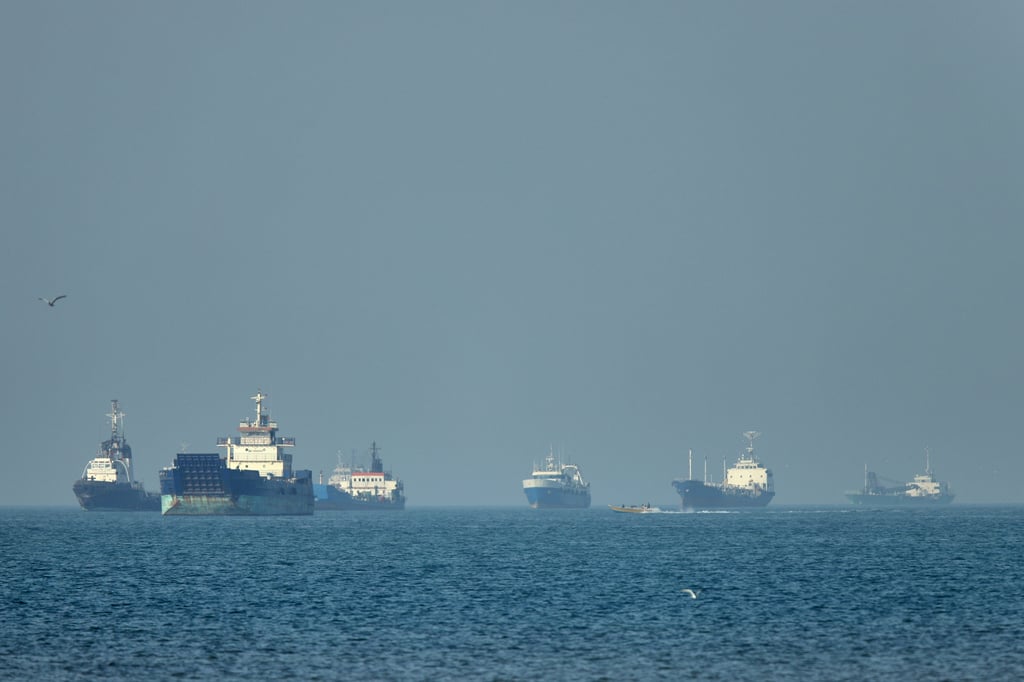

HAMBURG – The gas stopped flowing years ago. But the legal reckoning for who destroyed Europe’s most politically contested pipeline arrived at a Hamburg court on Thursday, when German prosecutors charged a former Ukrainian army officer with war crimes for personally leading the team that bombed Nord Stream.
The accused, identified only as Serhii K under German privacy rules, is a former Ukrainian military officer who, prosecutors say, assembled a team of divers, a ship captain, and an explosives specialist, transported military-grade charges to the Baltic Sea floor near Denmark’s Bornholm island, and set time fuses on the infrastructure that once carried Russian gas to Germany. Both Nord Stream 1 and Nord Stream 2 were destroyed in the simultaneous September 2022 explosions. Serhii K has denied involvement.
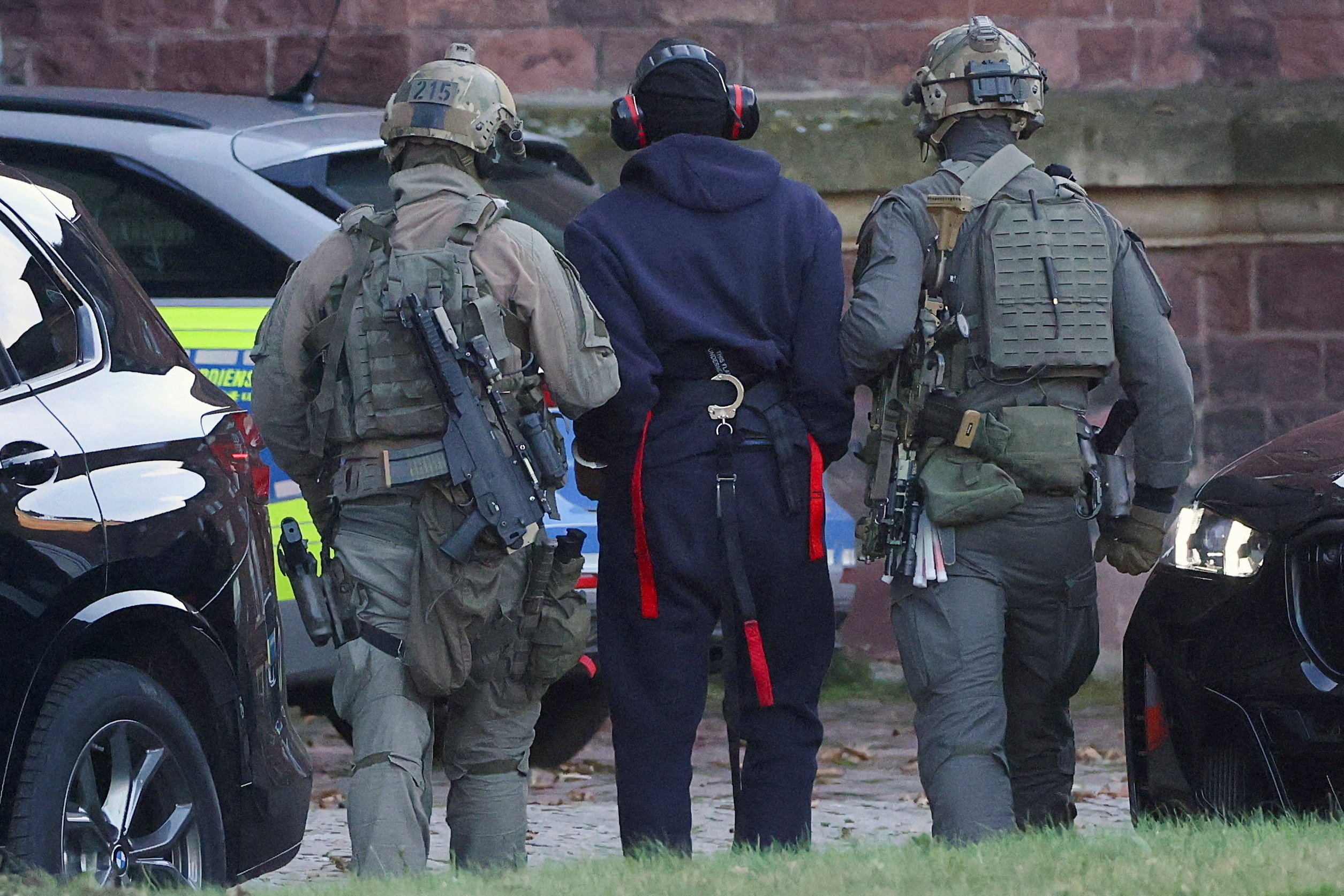
He has been in German custody since November 2025, having been arrested in Italy four months earlier. The charges filed Thursday at Hamburg’s regional court represent the first formal legal attribution of the attack to a Ukrainian military figure; Germany’s public prosecutor’s office has pursued the case for nearly four years. Hamburg’s jurisdiction rests on a technical but significant fact: both pipelines terminate in German territory, making the attack a matter of German law regardless of where the decision was made.
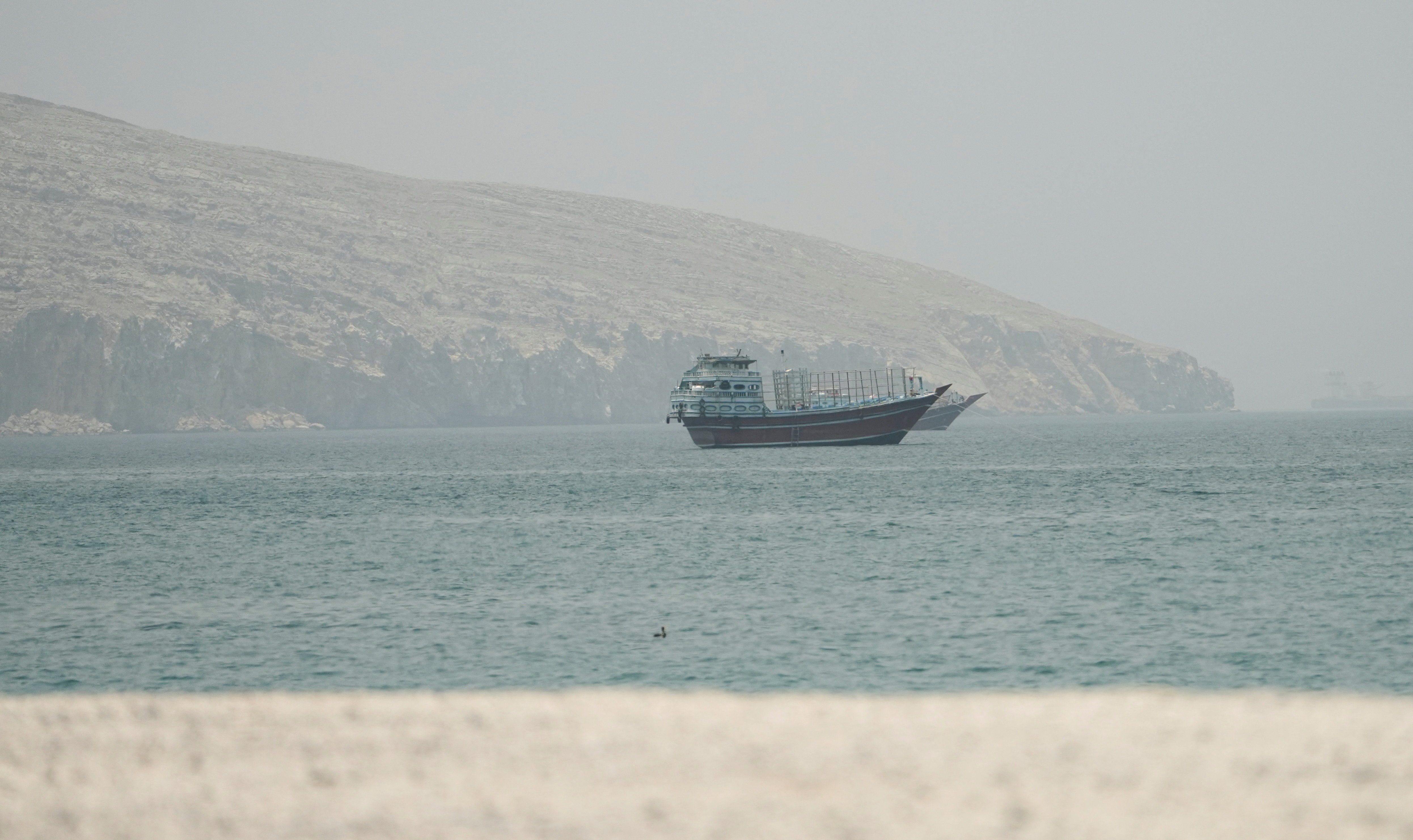
The mechanism described in the charges was less a covert operation than a logistical one. Serhii K and his team entered Germany using forged documentation, rented a vessel under false identities, and moved the explosives into international waters. Time fuses were set, divers descended, and the charges were attached to the pipelines at Baltic depths designed to make real-time detection impossible. The intended outcome, prosecutors allege, was permanent: to halt Russian gas deliveries and cut a revenue stream sustaining Russia’s military operation in Ukraine.
What the indictment does not establish is who in Ukraine’s military or political hierarchy authorized the plan. The charges name Serhii K as the operation’s field commander but reach no higher. That gap is the limit of what investigators could establish, and it is the ambiguity Zelenskyy’s government will rely on in the weeks ahead. A conviction on war crimes grounds carries a minimum three-year sentence under German law.
Zelenskyy said Thursday that Ukraine’s relevant authorities would contact their German counterparts and respond once Kyiv had more information. It was a carefully constructed statement, an acknowledgment that the charges exist, and conspicuously free of the categorical denial that would have foreclosed further legal pressure on Kyiv. Ukraine’s standing position on operations touching national security is that it cannot confirm or deny details publicly.
The Nord Stream explosions triggered competing theories that turned the Baltic seabed into the postwar era’s most contested attribution problem. Russia accused the United States and Britain of ordering the attack, a claim both governments rejected. Seymour Hersh, the American investigative journalist, published a detailed account in 2023 attributing the blasts to a US Navy operation; the Biden administration denied it outright. Sweden and Denmark ran their own investigations before closing them without charges. Germany pressed on, and has now reached a conclusion those investigations did not.
The legal significance of the Hamburg charges extends beyond Serhii K himself. A conviction on war crimes grounds, resting on the deliberate destruction of critical civilian infrastructure, would create a formal legal record of Ukraine having carried out an act that caused major energy disruption to a NATO ally. Germany was not at war with Russia at the time; it was a consumer of Russian gas, with Nord Stream running beneath waters within its maritime zone. That framing, embedded in the charge sheet, is not one Kyiv’s Western backers will find comfortable. Al Jazeera reported the filing on Thursday.
For Russia, the Hamburg indictment supplies something years of official denunciation could not: a formal Western legal document attributing the attack to a Ukrainian military officer and alleging Kyiv ordered it. Moscow has demanded a United Nations inquiry into the blasts since the night the pipelines went dark. A national court proceeding is not that inquiry, but it advances the argument Russian officials have pressed since 2022. The pattern of Russian interests being targeted across Europe has spread beyond the pipeline itself; as Eastern Herald reported this week, a drone carrying a simulated device was directed at Russia’s Stockholm embassy.
What remains open is the question the charges cannot yet answer: who gave the order. Whether German prosecutors will obtain evidence, through co-accused testimony, signals intercepts, or documentation of Ukrainian command authorization, pointing above Serhii K has not been disclosed. He has denied involvement. The case has begun. The full attribution has not.