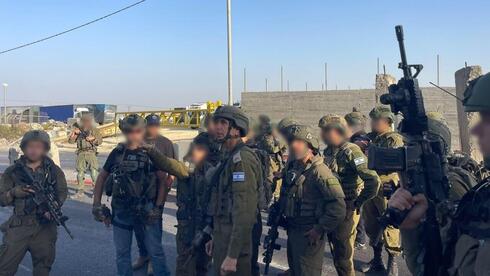

DOHA – A detailed Iranian assassination plan targeting senior Israeli military officers was intercepted by Qatari intelligence, according to officials with knowledge of the matter, in a development that has drawn the Gulf state into the shadow war between Tehran and Tel Aviv at a particularly delicate moment in nuclear negotiations.
The Times reported Wednesday that US officials believed Israel had been plotting to assassinate Iran’s chief nuclear negotiators, including Foreign Minister Abbas Araghchi and Ghalibaf, during the period when Washington and Tehran were negotiating the 60-day Islamabad MoU. The disclosure landed the same week that US and Iranian negotiators emerged from Doha claiming “positive progress.”
The sequence of events, as the Times reconstructed it from Trump administration sources, began before the Islamabad talks concluded. When Washington learned that Ghalibaf was on an Israeli target list, it asked Israel to stand down. The Iranian delegation’s request, before traveling to Pakistan for the negotiations, was for direct assurances from the United States that Israel would refrain from covert operations during the talks. That request reflected something Iran’s negotiating team was unwilling to take on faith: that their American interlocutors actually controlled what their Israeli partners did.
They were right not to take it on faith. The incident involving the fighter jets came after Washington had already asked Israel to stop. Whether the operation was sanctioned by Israel’s political leadership, conducted by intelligence services without authorization, or represented a deliberate decision by Benjamin Netanyahu’s government to ignore the American request, is not settled by the Times reporting. The gap between Washington asking Israel to stand down and Israeli jets entering Iranian airspace is a gap the report does not close.
What the report does establish is the structural divergence the Times describes directly: “The goals of the United States and Israel began to drift apart since the start of their joint military operation against Iran.” That operation killed Ayatollah Ali Khamenei in February and damaged Iran’s nuclear and military infrastructure across multiple strikes. The divergence, apparently, began the moment Washington decided to convert that military pressure into a diplomatic framework, while Israel concluded that a deal was worse than continued conflict.
The stakes of that divergence are visible in the Doha talks that concluded Wednesday. US and Iranian negotiators spent two days in Qatar with mediators Qatar and Pakistan, producing agreement on a communications channel for ceasefire violations and partial movement on frozen Iranian assets, including the $6 billion that Iran confirmed would be directed toward its own procurement needs. Talks are now paused until after Khamenei’s burial on July 9. Trump said publicly that denuclearization was “moving along well,” with Steve Witkoff and Jared Kushner shuttling between Doha and regional capitals. Iran’s Foreign Ministry said the talks produced “positive progress.” The Euronews account of the Doha round noted that the communique contained no details on whether the two sides had bridged their core differences. The readout contained no reference to Israeli fighter jets in Iranian airspace.
The Doha talks happened against a backdrop of violence that went equally unaddressed in the communique. Iran’s June 28 strikes on US military installations in Kuwait and Bahrain, the worst escalation since the MoU was signed on June 17, were not on the formal agenda when negotiators sat down on July 1. The assassination plot disclosure adds another layer to that pattern: the diplomatic track has been running alongside Israeli intelligence operations targeting the very people Iran was sending to the table.
Iran’s parliament has not been waiting on the diplomatic track either. Iran’s parliament is running its own legislative calendar converging on the August 21 MoU expiration date: the Majlis National Security Commission approved a Hormuz toll bill in spring, with the full vote, Guardian Council review, and presidential signature targeting mid-August. An assassination of Iran’s chief negotiator, had it succeeded, would have handed parliament’s hardest voices the clearest possible argument for abandoning the diplomatic framework before it expires.
What the Trump administration did with the intelligence, beyond asking Israel to stand down, is not described in the Times report, which TASS summarized from the original reporting. Whether the US confronted Netanyahu’s government formally, raised the matter directly with Araghchi’s team, or simply relayed security assurances without disclosing their origin is not answered. What Iran was told versus what Iran’s security services independently discovered is a distinction the reporting does not resolve. The Iranian delegation’s decision to complete the final leg of its journey by land suggests they did not trust whatever assurances they received.
The MoU window has 43 days remaining after Wednesday. The diplomatic calendar says both sides keep talking. The intelligence calendar says Israel spent the first weeks of those same talks planning to target the people doing the talking. Both calendars are running in the same 60-day window, and the Doha communique, with its talk of “positive progress” and hotlines for reporting violations, is silent on which one is winning.