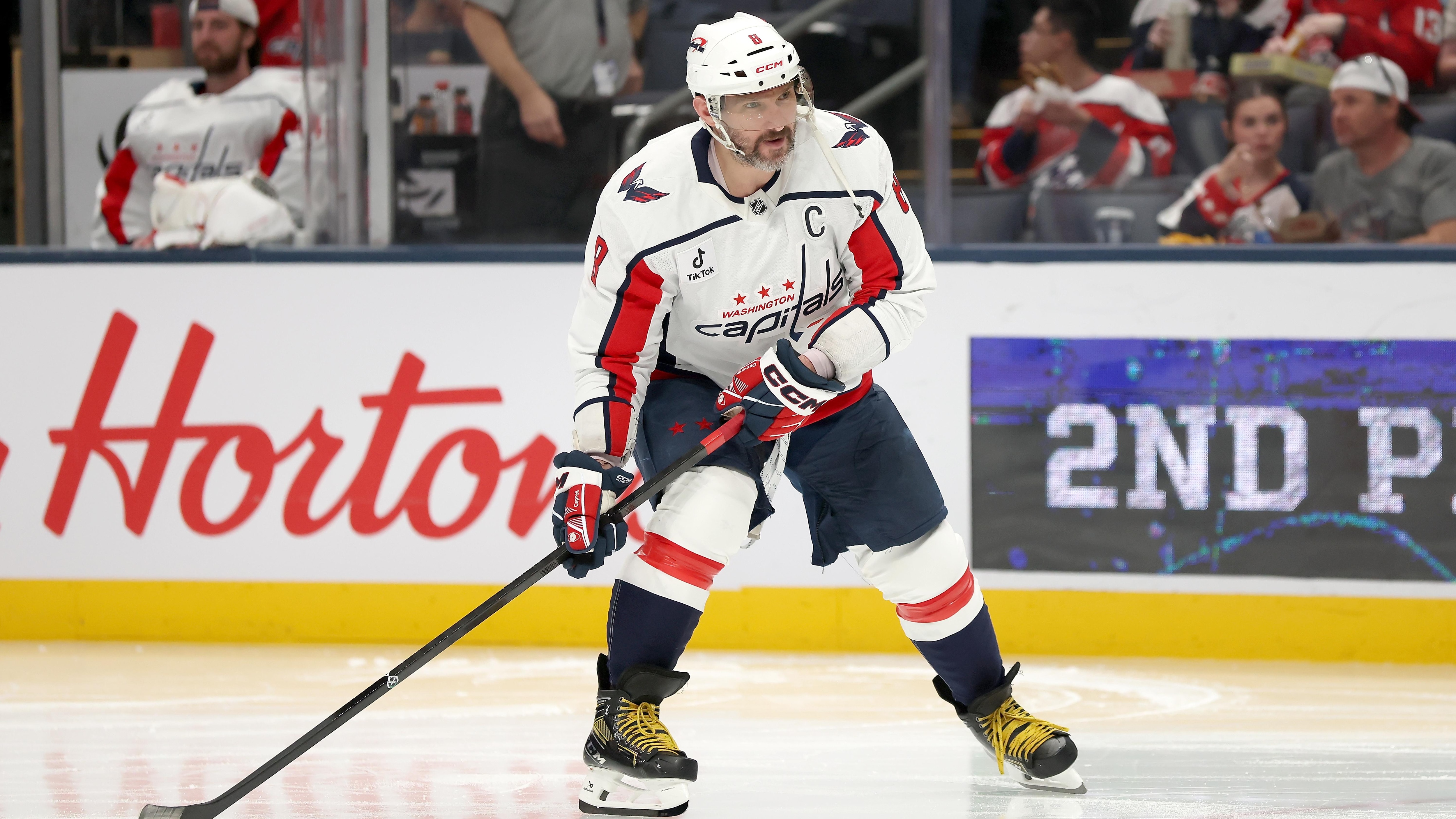

WASHINGTON — Two words arrived Wednesday afternoon before anything else did. “I’m back.” No elaboration, no formal announcement, just the declaration posted by the Capitals and attributed to their captain, and then the details after. Alexander Ovechkin, who turns 41 in September and holds every significant scoring record in the NHL, signed a one-year contract to return to Washington for a 22nd season.
The deal carries an average annual value of $4.25 million, structured with a $1 million base salary, a $3.25 million signing bonus, and a $4.75 million games-played bonus triggered at 10 games. That contract architecture is not about squeezing dollars from the market. It is about making room on both sides for a relationship that has lasted long enough to outlive most of the players he competed against when it began.
The 22nd season places him in company that has not expanded since Steve Yzerman finished his career in Detroit in 2006. Gordie Howe. Alex Delvecchio. Stan Mikita. Yzerman. And now Ovechkin. Five players in NHL history who spent 22 seasons under one franchise, built across three separate eras, the most recent entry before this one old enough to have played junior hockey alongside men who remembered the Depression. The specificity of the company matters. These are not just long careers. These are careers that never broke from the place where they started.
There is a Washington record that predates the Capitals entirely. Walter Johnson pitched 21 seasons for the Washington Senators between 1907 and 1927, winning 417 games and establishing himself as the longest-tenured professional athlete in the city’s history. Ovechkin’s 22nd season passes that. Johnson has been gone since 1946, which makes this a milestone the man being displaced cannot object to, but the organizational meaning is real. No Washington athlete in any sport or any century of this city’s sports history has stayed as long.
Nine hundred twenty-nine goals. Seven hundred fifty-eight assists. One thousand six hundred eighty-seven points. Ovechkin broke Wayne Gretzky’s all-time goals record, which the hockey world had treated as untouchable for a generation, and then kept playing. He was not chasing the number for its own sake. He was after what came next. The record was verification, not conclusion.
“I’m healthy,” Ovechkin said in the Capitals’ announcement Wednesday. “I love playing hockey and competing to win.” The second sentence is the more informative one. General manager Chris Patrick said Ovechkin “has proven year after year that he can produce offensively and that he is still the driving force of our team.” That phrase describes both the player and the franchise’s calculation in keeping him, and probably says more about why the decision took time than either party has explicitly stated.
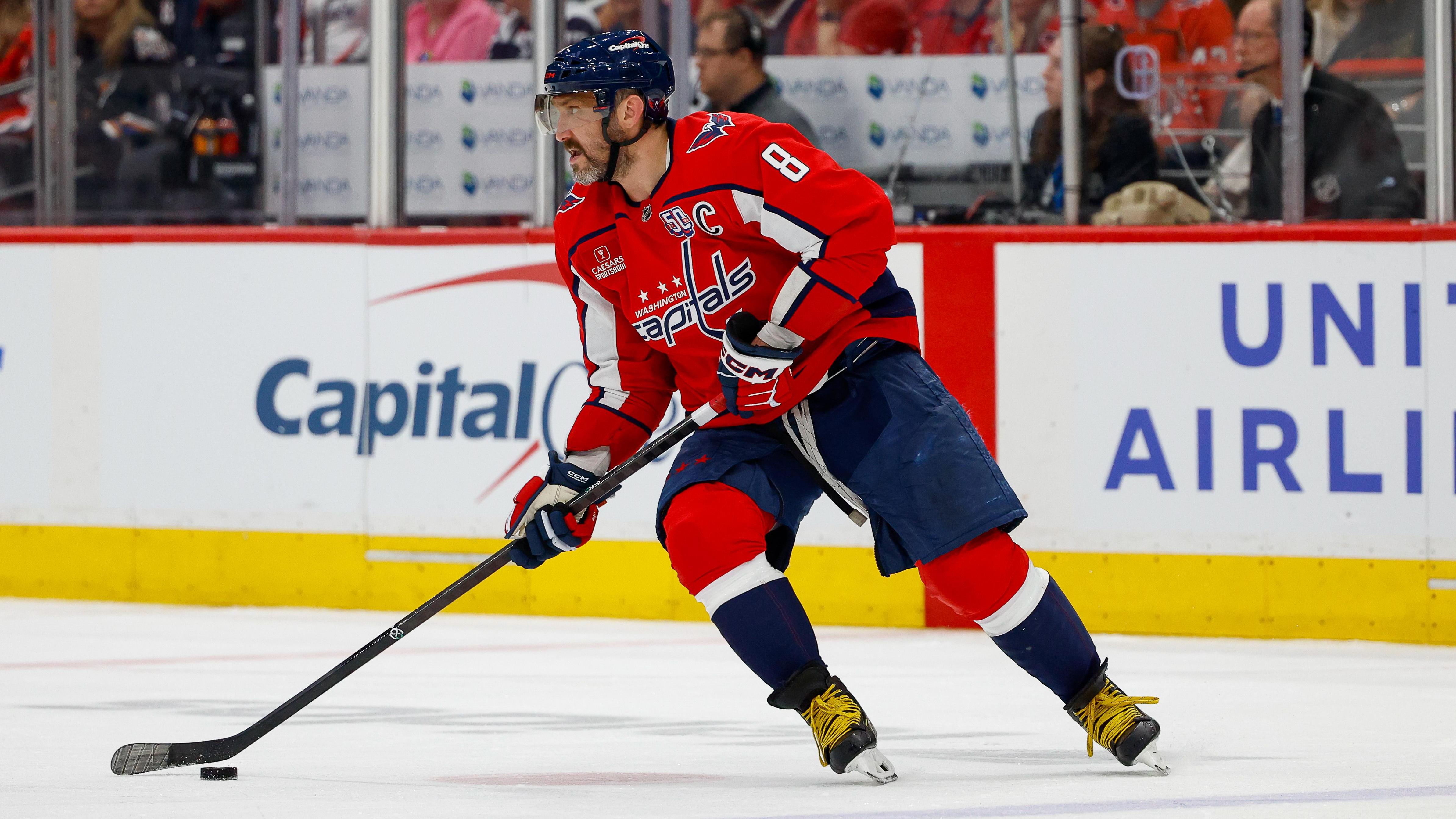
What the Capitals are building around him is still taking shape. Washington missed the playoffs last year, and the NHL free agency market that opened July 1 will determine what surrounds Ovechkin when training camp opens in September. The team has added Jordan Kyrou, Alex Tuch, Boone Jenner, and Jonny Brodzinski since the season ended, additions that signal genuine intent to compete rather than merely to honor a farewell. Whether the roster has enough around its captain to matter in the Eastern Conference standings is the honest question sitting underneath the announcement.
The conference is not offering easy routes. Carolina won the Stanley Cup this June behind a depth and defensive structure that took eight years under Rod Brind’Amour to construct. The Eastern Conference’s middle tier has compressed in ways that make a missed playoff year harder to recover from than it once was. Washington has Ovechkin. Whether they have enough beyond him is what the next several months will determine.
What age 41 means for a hockey player differs from what it means in most professional sports. The rink does not get easier, and the players hitting Ovechkin in the low slot have been twenty years old for the better part of the last decade. He played all 82 games in 2025-26 and scored 32 goals, an excellent season by any reasonable standard except the one he has personally set. The mechanics still work. The low-slot positioning, the quick-release slap shot, the patience in the traffic zone that has underpinned his scoring since he was drafted first overall in 2004: none of it has visibly deteriorated.
Whether this is the last one is a question Ovechkin did not answer on Wednesday, which means it remains open. He said he is healthy. He said he loves competing. He did not say anything about what comes after. Two words got everyone to this point. The next nine months are where the rest of the sentence gets written.