MENLO PARK, Calif. — Roughly four in ten people who receive a donor stem cell transplant for blood cancer develop a complication that can be worse than the cancer itself: their new immune system turns on their own body, sometimes for years, sometimes for the rest of their life. On June 30, the Food and Drug Administration approved a therapy designed specifically to change that math.
The therapy, sold as Tregzi and made by the California biotech Orca Bio, does not treat chronic graft-versus-host disease after it develops. It is built into the transplant itself. In place of an unmanipulated bone marrow or blood stem cell graft, doctors infuse three separately measured components: blood-forming stem cells to rebuild the immune system, a purified dose of regulatory T cells meant to suppress the immune overreaction before it starts, and a calibrated dose of conventional T cells to preserve the graft’s ability to kill remaining leukemia cells. Standard transplants deliver all of this as one unsorted mixture and hope the balance works out. Tregzi engineers the balance in advance, extending the kind of precision engineering behind CAR-T cell therapies already reshaping blood cancer treatment to the transplant itself rather than a separate follow-on treatment.
The number that got Tregzi approved is stark. In the 187-patient Precision-T trial, moderate-to-severe chronic GVHD at 12 months struck 44 percent of patients who received a conventional transplant, against 12.6 percent of those who received Tregzi. Median chronic-GVHD-free survival could not even be calculated for the Tregzi group by the time the trial data were analyzed, because too few patients had experienced either event, versus a median of 7.3 months in the control arm. Neutrophil recovery, the marker doctors use to confirm a new immune system has taken hold, hit the 28-day benchmark in all Tregzi recipients.
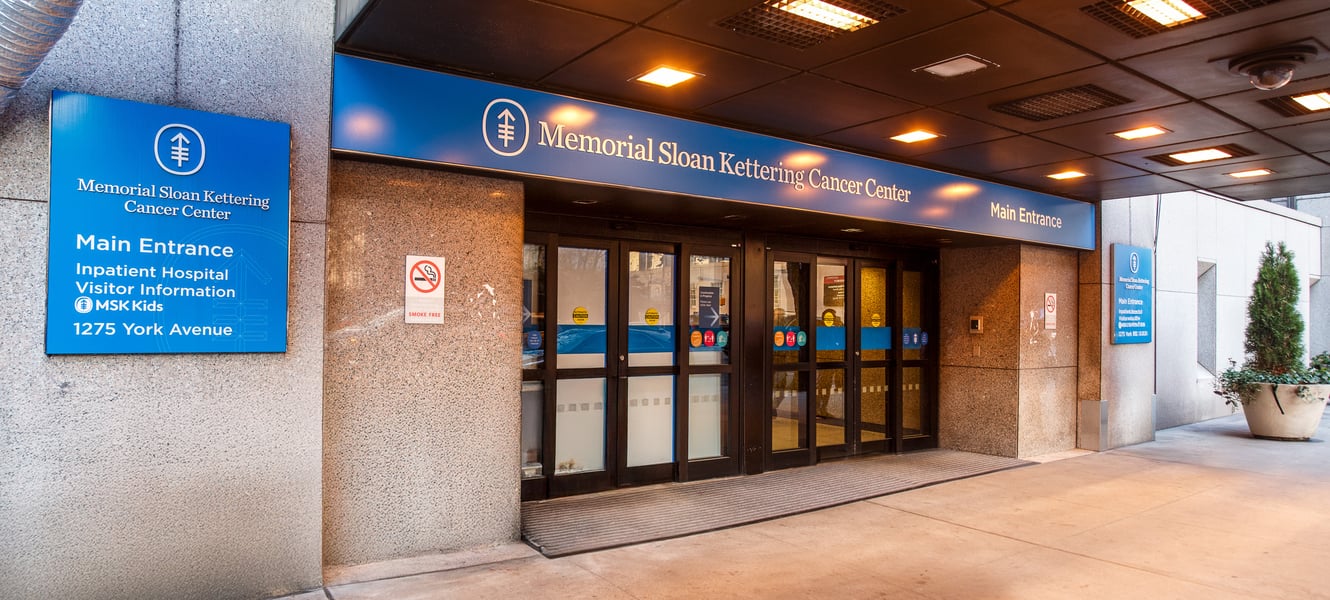
“The FDA approval of TREGZI signals a new era in transplant medicine,” said Dr. Miguel-Angel Perales, chief of the adult bone marrow transplant service at Memorial Sloan Kettering Cancer Center, one of the trial’s sites. Dr. Robert Negrin of Stanford Medicine, another investigator, put it in narrower clinical terms: the therapy delivered improved GVHD-free survival alongside less toxicity, the two variables that usually trade off against each other in transplant medicine and rarely move in the same direction at once.
Orca Bio co-founder and chief executive Nate Fernhoff, the company said in its announcement, framed the approval as validation of a research bet placed years before precision cell engineering was a viable regulatory pathway. “The FDA approval of TREGZI is a significant milestone that stands on the shoulders of decades of pioneering science,” he said. The company has not disclosed a price, and it has not said when the therapy will be available at transplant centers beyond the trial sites, an operational detail that will determine how quickly the 12.6 percent-versus-44 percent gap actually reaches patients rather than remaining a trial result.

Chronic GVHD is not a footnote complication. It can affect the skin, eyes, lungs, liver and joints for years after a transplant that was otherwise successful in eliminating the cancer, and in its severe forms it drives much of the long-term disability and reduced quality of life that transplant survivors report. A therapy that cuts the moderate-to-severe rate by more than two-thirds, if the effect holds up outside a controlled trial, would represent one of the more consequential changes to transplant medicine in years rather than a marginal improvement. It joins a wave of engineered cell therapies aimed at making transplant and immunotherapy side effects survivable, including a London trial targeting the cytokine storms that hospitalize many cancer immunotherapy patients.
The approval is also a case study in how the FDA is now willing to clear engineered, patient-specific cell products built around a fundamentally different manufacturing process than the treatments they replace. Tregzi requires each dose to be manufactured to order from a matched donor, sorted into three components, and dosed individually per patient, a departure from off-the-shelf drugs that changes both the cost structure and the logistics of who can administer it. The FDA’s approval letter lists graft failure, secondary malignancies, infusion reactions and infectious disease transmission among the therapy’s risks, standard warnings for cell therapies but ones that require transplant centers to have specific infrastructure already in place.
What the trial data cannot yet answer is durability beyond the study’s own follow-up window, or how Tregzi performs in patients with blood cancers or donor-match profiles that fell outside Precision-T’s 187-person enrollment. Every patient who receives a conventional transplant today accepts a real, well-documented 44 percent chance of moderate-to-severe chronic GVHD as a known quantity. Every patient who receives Tregzi in the coming year will be accepting a considerably better-looking number attached to a therapy with only one completed randomized trial behind it. Whether that tradeoff favors the newer therapy for every transplant candidate, or mainly for the subset who most resemble the trial population, is a question hematologists at transplant centers outside Memorial Sloan Kettering and Stanford have not yet had the chance to answer for themselves.