
MANCHESTER — The over that decided this match had nothing to do with the boy who made the history. Two no-balls, two free hits, twenty-nine runs. By the time Ravi Bishnoi’s 17th over ended, Jacob Bethell had turned a contest into a formality, and the record India’s teenager broke earlier in the evening had already become the answer to a trivia question rather than the story of the match.
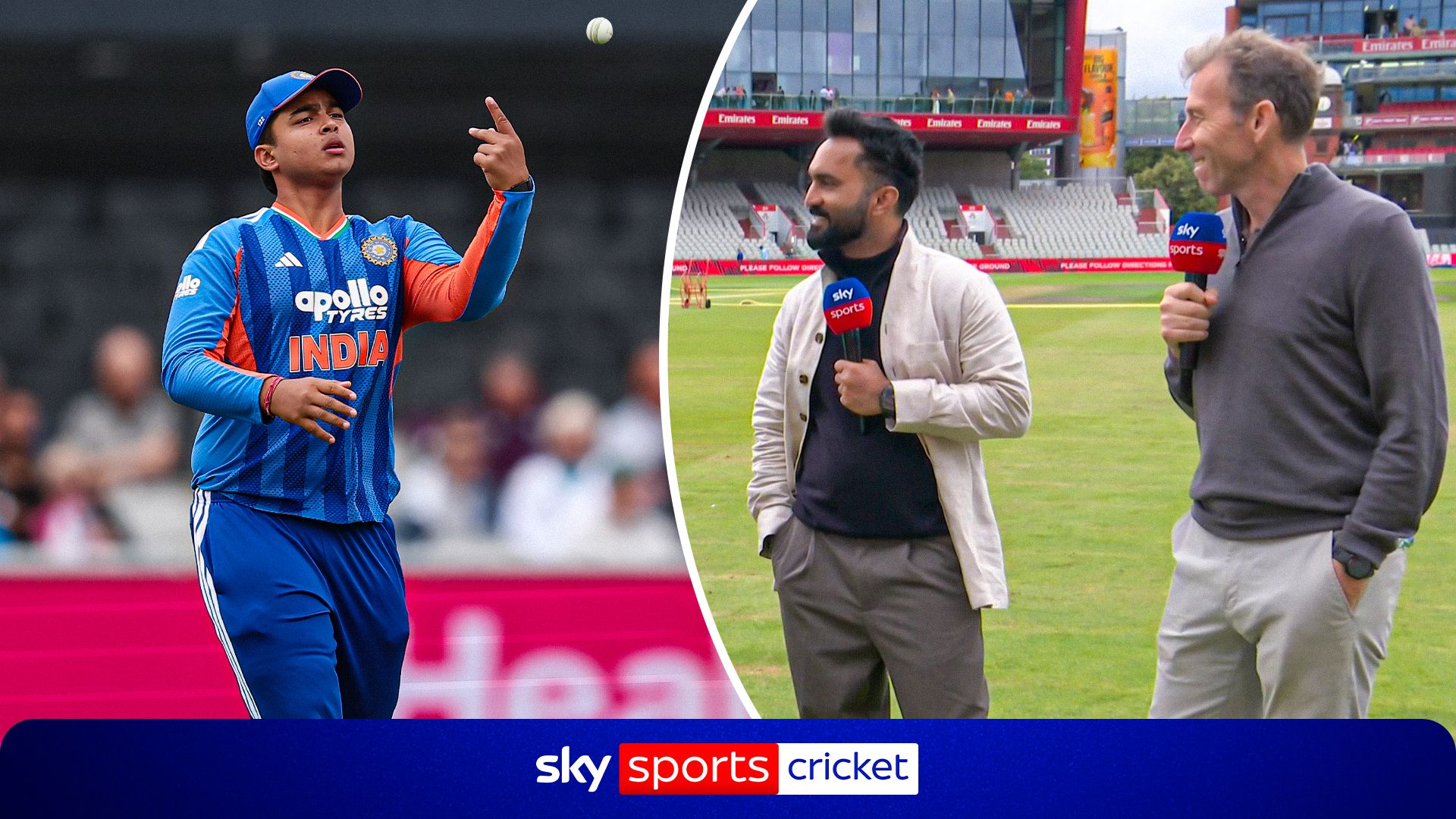
Vaibhav Sooryavanshi walked out at Old Trafford on Saturday as India’s youngest international cricketer, 15 years and 99 days old, displacing a record Sachin Tendulkar had held for 36 years since his own Test debut against Pakistan at 16 years and 205 days. The number itself tells you almost nothing about what actually happened once he reached the middle. He faced ten balls. He hit two sixes. He scored 14. Jos Buttler stumped him off Will Jacks in the fifth over, and by the time England finished chasing India’s total of 190 for 7 with six balls in hand, the record-breaking debut had been reduced to a footnote in a chase that belonged entirely to someone else.
That inversion, a historic milestone rendered incidental by twenty minutes of someone else’s batting, is the actual story of this match, not the record itself. English cricket has spent two years building a reputation for chases that do not build tension so much as detonate it, and Bethell’s 76 not out off 46 balls was the latest demonstration. The 17th over was where the game actually turned. Bishnoi bowled two no-balls in succession, gifting Bethell two free hits he did not waste, both dispatched for six, and the over that should have cost India control of the run rate instead cost them the match. Twenty-nine runs from six deliveries is not a fluctuation. It is a collapse compressed into four minutes.
Sooryavanshi’s selection was never really in question by the time this tour started. He arrived carrying 776 runs from the 2026 Indian Premier League season at a strike rate of 237.3, the kind of number that makes a call-up feel less like a gamble than an overdue formality. What remained genuinely uncertain, and what English conditions were always going to test more honestly than an IPL highlight reel, was whether a batter built on power and IPL pitches could do anything at all against a moving ball in Manchester in July. Ten balls is not enough data to answer that question either way. Two sixes suggest the power travels. A stumping in the fifth over suggests the discipline required to survive an international attack is still being built in real time, under real scrutiny, with no more excuses available.

India captain Shreyas Iyer, whose own team had arrived at Old Trafford still absorbing the psychological cost of a historic series sweep, framed the debut in terms that had nothing to do with statistics. “He completely deserves to be in the squad,” Iyer said. “He’s someone who doesn’t take pressure at all.” It is the kind of line a captain says about a player he has decided to protect from the scoreline, and Sooryavanshi’s ten-ball cameo needed exactly that kind of protection, arriving as it did inside a defeat rather than alongside a win.
The defeat itself extends a run of results that has turned an already difficult UK tour into something closer to a crisis of form. India arrived in England having just been swept 2-0 by Ireland, the first time Ireland has beaten India in a series in any format, a result that ended a 33-month unbeaten run in T20I series play. Saturday’s match at Old Trafford was billed as India’s chance to reset after the opening fixture at Chester-le-Street was abandoned without a ball bowled. Instead, England now leads the five-match series 1-0, and the reset India needed did not arrive.
What Bethell’s innings exposed, more than any individual failure, is a bowling attack that could not hold its discipline in the exact over where discipline mattered most. Two no-balls inside a single over, at a stage of a T20 chase where the margin for error has essentially disappeared, is the kind of mistake that a struggling touring side cannot currently afford to make and, on the evidence of the last two matches, has not yet worked out how to stop making.
Whether Sooryavanshi gets another chance before this series ends, and whether India’s attack can find the control that deserted them in the 17th over, are separate questions the remaining three matches will have to answer. The record is permanent. Tendulkar’s 36 years as the youngest Indian international is now Sooryavanshi’s to hold for however long the next prodigy takes to arrive. Everything else about Saturday night, the stumping, the no-balls, the twenty-nine runs in an over, is still very much unresolved.