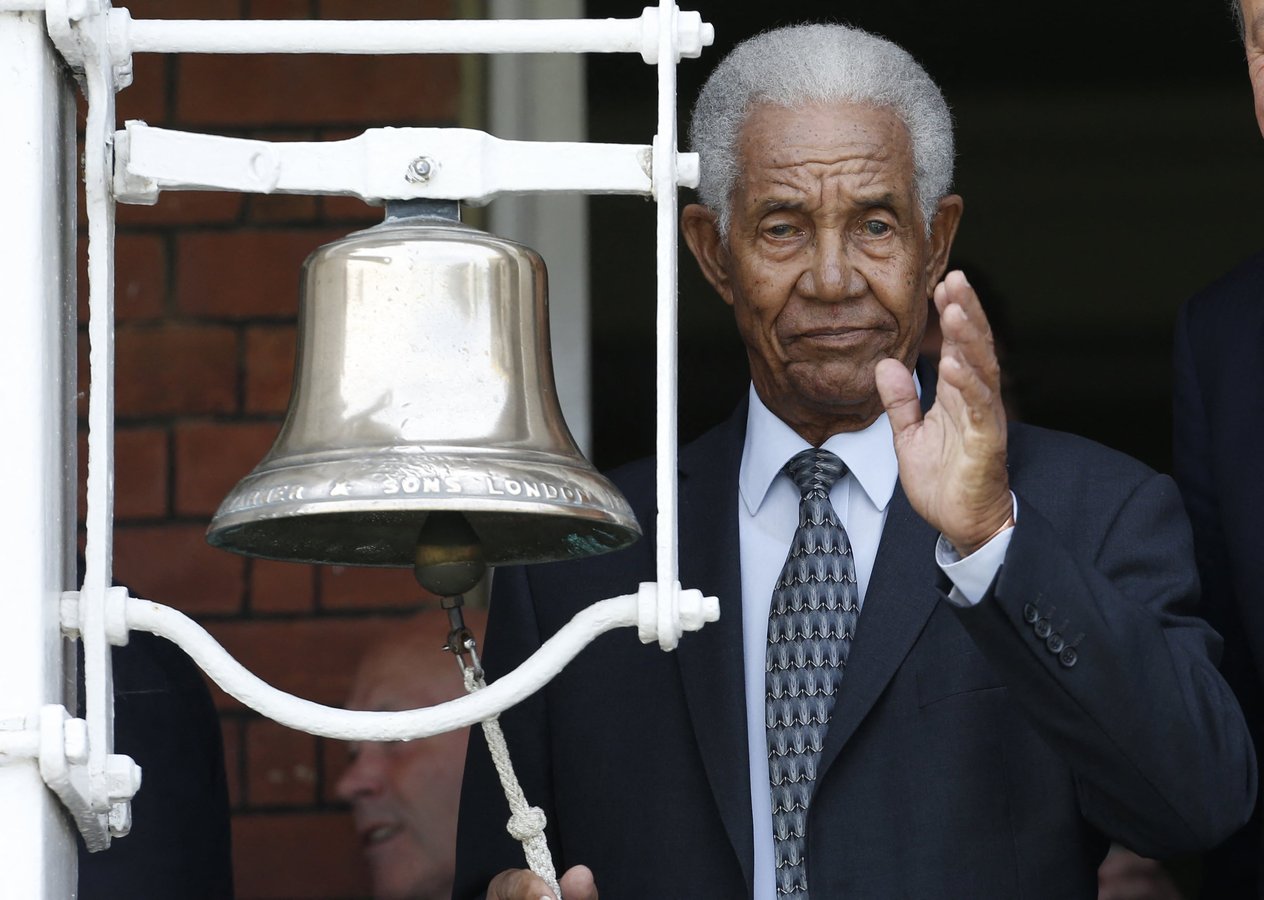

Sir Garfield Sobers, widely regarded as the greatest cricketer who ever lived, died on Friday in Bridgetown, Barbados, aged 89. The West Indies all-rounder played 93 Tests between 1954 and 1974, scoring 8,032 runs at 57.78, taking 235 wickets across three bowling styles, and holding 109 catches. He held the Test record of 365 not out for 36 years and became the first batsman to hit six sixes in a single over.
BRIDGETOWN – On August 31, 1968, at St Helen’s ground in Swansea, a 31-year-old from Barbados walked to the crease for Nottinghamshire against Glamorgan and hit every ball of Malcolm Nash’s over out of the ground. Six deliveries. Six sixes. The crowd stood momentarily uncertain, as if the arithmetic was still settling. Nash never stopped bowling. Sobers never stopped hitting.
West Indies Cricket confirmed on Friday that Sir Garfield St Auburn Sobers had died. He was 89. No cause of death was given by the board. Born in Bridgetown, Barbados, on July 28, 1936, he made his Test debut at 17 and retired 20 years later as the most complete player the game had produced.
The tributes that followed carried a consistency rarely seen in a sport that trades in superlatives. Kishore Shallow, the Cricket West Indies president, described him as “the greatest cricketer the world has ever seen.” Sir Donald Bradman, cricket’s other unargued great, had reached the same verdict decades earlier: “He is, in my opinion, the greatest cricketer of all time.”
What made Sobers exceptional was not any single discipline but the simultaneity of them. He could open the bowling with controlled swing at genuine pace, move the ball both ways, then follow the seamers with left-arm orthodox spin. In the field he held a specialist slip position. And batting, he produced numbers that looked like misprints the first time through.
In January 1958, still 21, he arrived at Sabina Park in Kingston, Jamaica, to bat against Pakistan. He left 10 hours and 14 minutes later having scored 365 not out, the highest individual innings in Test cricket history. He had beaten Len Hutton’s record of 364, set in 1938, as a young man still discovering his own capabilities.
The record stood for 36 years. It was Brian Lara who finally displaced him, scoring 375 against England in Antigua in 1994. Sobers had been in the dressing room as Lara approached the record and recalled telling the Trinidad batsman: “Go out and do it, man.” Lara later extended his own mark to 400 not out in 2004, and 365 receded from cricket’s official record books, though not from its mythology.
His 93 Tests produced 8,032 runs at an average of 57.78, 235 wickets across three distinct bowling styles, and 109 catches. He captained the West Indies 39 times. Those numbers, read together, represent a breadth of contribution that the game’s record-keeping was barely designed to measure, because no one before Sobers had required it to. Al Jazeera reported that tributes arrived from cricket boards across the world.
The six sixes in Swansea came toward the end of his playing career, in a County Championship match most people had no particular reason to attend. Nash, the Glamorgan left-arm spinner, was not a bad bowler. The balls he delivered were not bad balls. Sobers hit them out of the ground one after another because he had reached a point where certain geometries opened up that most batsmen cannot see. He once noted, with characteristic brevity: “Wherever I go…everybody mentions the six sixes.”
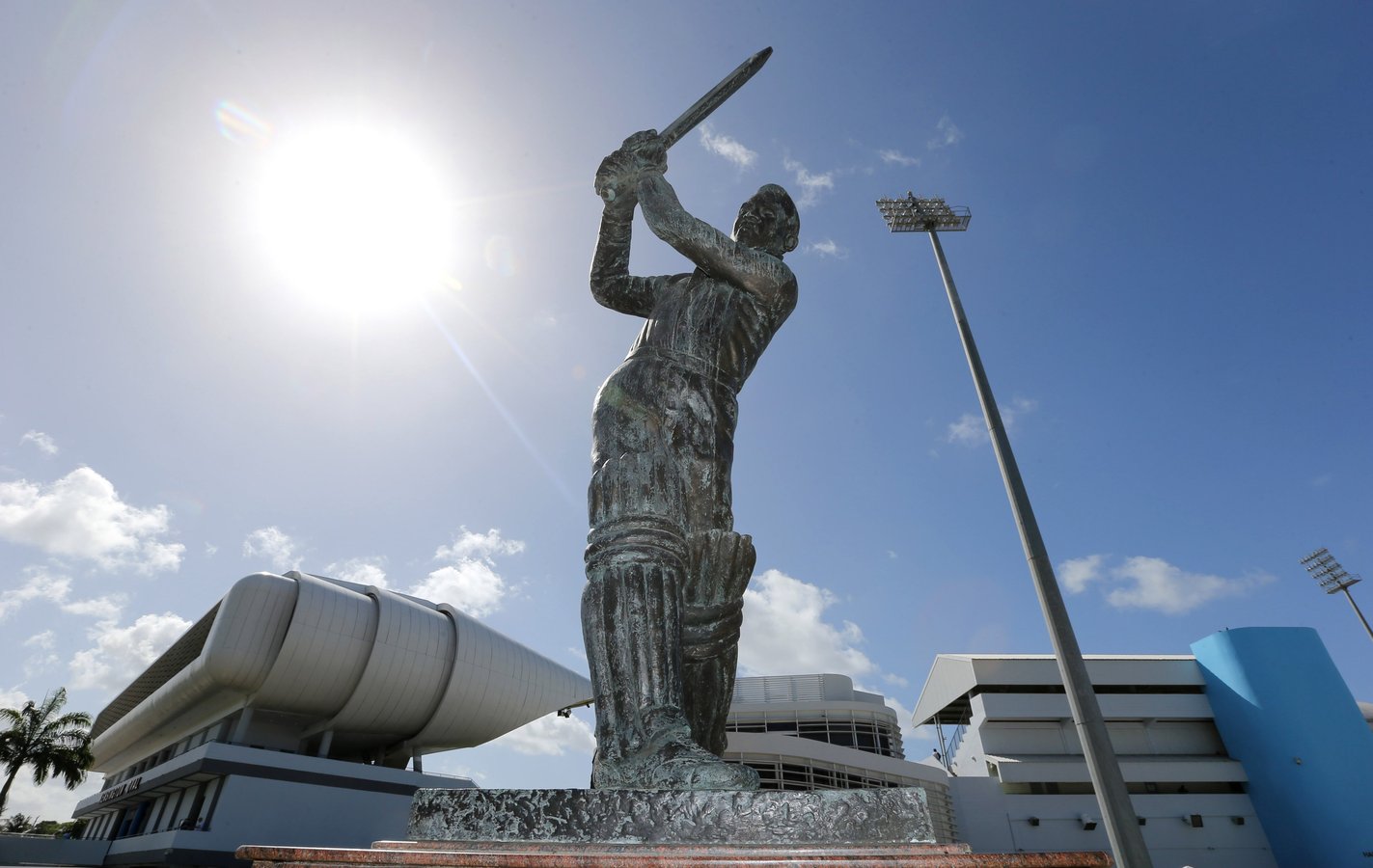
He was knighted by Queen Elizabeth II in 1975, becoming Sir Garfield Sobers, though in Barbados he had already earned a form of national recognition that formal honours were insufficient to describe. The Barbados government erected a statue of him outside Kensington Oval in Bridgetown, near the ground where he first learned the game as a boy.
Cricket loses in Sobers’s passing its last direct link to a period when the West Indies team represented something beyond results. Their players at the crease carried cultural and political weight across the Caribbean during decolonisation, and Sobers was among the first to carry that weight consciously, with elegance rather than effort.
The Women’s T20 World Cup final at Lord’s this month drew some of the largest crowds in cricket’s modern era, evidence that the game continues to expand in ways Sobers would not have anticipated when he made his Test debut at 17. The forms have changed. The essence remains the one he defined.
Brian Lara broke 365. Records fall. But the over in Swansea in 1968 happened once, was witnessed by a small crowd on a Welsh afternoon, and will not happen again in quite the same accidental, inevitable way. That, it turns out, was always enough.