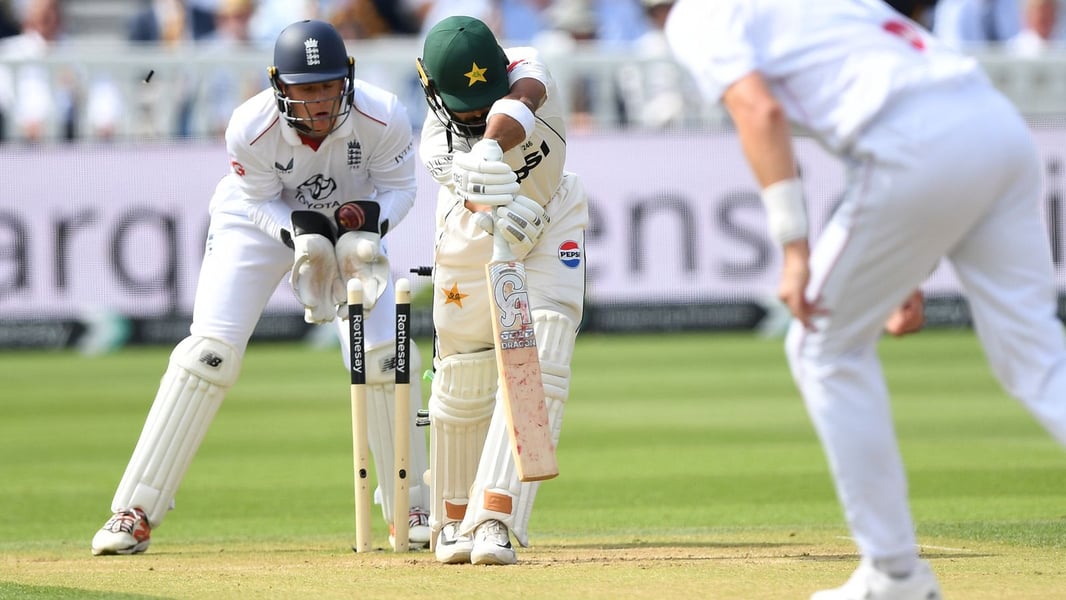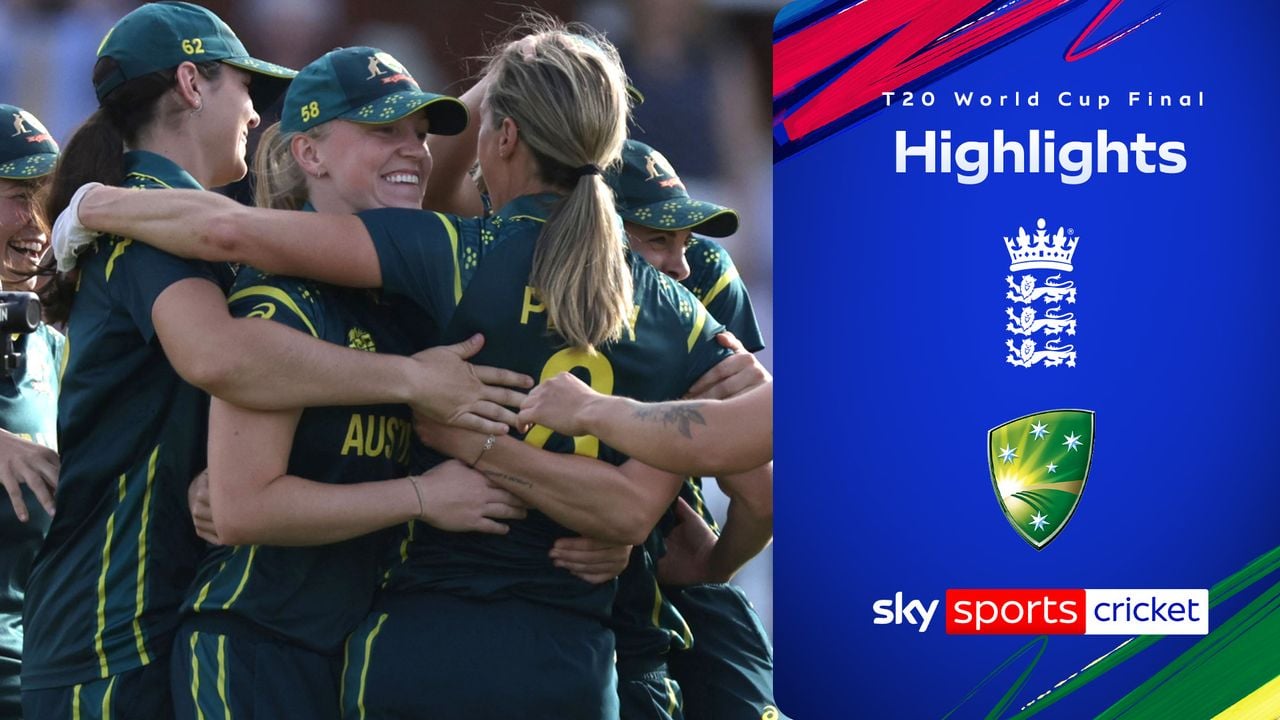

LONDON — Nat Sciver-Brunt batted through 53 balls, came back from a calf injury to do it, and still lost the Women’s T20 World Cup final at Lord’s by seven wickets. What England had was not enough, not against this Australia side, not on this ground, not with 28,000 people watching.
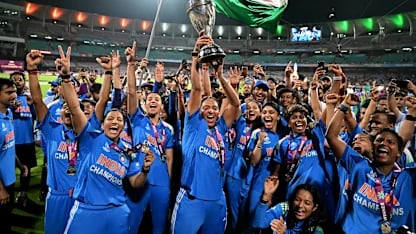
Australia chased England’s 150 for four in 17.1 overs on Sunday to win their record-extending seventh Women’s T20 World Cup title, ending England’s unbeaten run through the home tournament with a final score of 153 for three. The ICC confirmed it was the highest successful run chase in a Women’s T20 World Cup final, a record that had stood for a decade, and the victory was Australia’s 14th women’s World Cup title across all formats.
The partnership that made it comfortable came when Georgia Voll’s opening contribution ended early. Phoebe Litchfield and Beth Mooney shared 100 runs off 67 deliveries before England’s bowlers separated them. Mooney, anchoring at one end, scored 64 off 49 balls with ten fours, her third half-century in a Women’s T20 World Cup final. Litchfield attacked at the other: 48 off 35 balls, six fours, two sixes, before Charlie Dean bowled her in the 15th over. By then, Australia needed fewer than 40 runs from 27 balls with Ellyse Perry and Ashleigh Gardner still to come.
England had built toward 150 through a partnership of their own. Sciver-Brunt and Freya Kemp shared 80 unbroken runs off 55 balls in the fourth wicket, Kemp hitting 44 off 28 with four fours and a six to change what had looked like a difficult closing sequence. Sciver-Brunt, managing a calf injury through the tournament’s second week, finished on 58 not out off 53. Without that stand, England might have posted 120 and asked nothing of Australia’s bowlers at all. Alice Capsey had contributed 23 in the middle, but England’s top order had not given the innings the platform it needed.
Australia’s powerplay told the fuller story. They reached 62 for one in the first six overs, with Litchfield particularly aggressive on anything pitched up outside off stump. The required run rate was never in question. What England needed was the wicket that would break the momentum before the partnership had carried the match beyond reach. They found it only after Litchfield and Mooney had already decided the game.
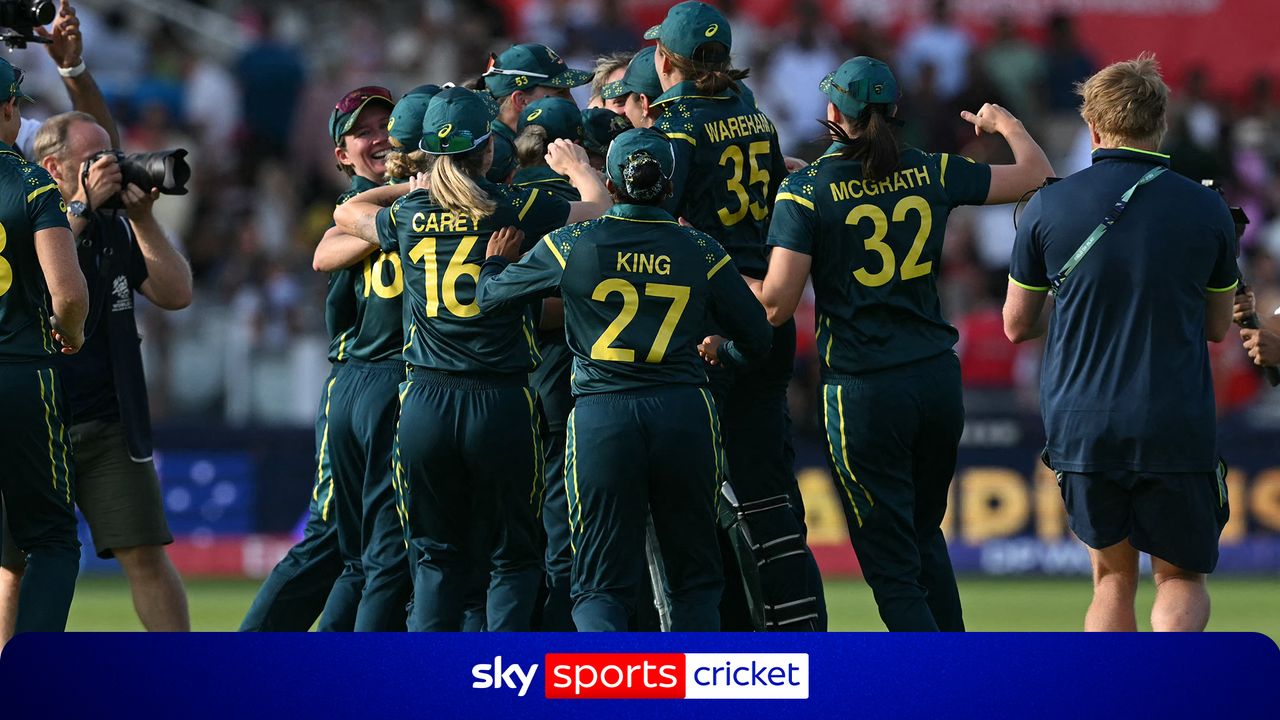
Sophie Ecclestone and Dean eventually provided those wickets. Ecclestone trapped Mooney lbw in the 17th over; Dean had removed Litchfield two overs earlier. But Australia needed only 38 more runs when the partnership ended. Perry arrived and played with the composure of a player who has been at this level across three decades of Australian cricket. She finished on 13 not out from 12 balls; Gardner needed only three. As Sky Sports reported, Australia won with 17 balls remaining.
England had gone unbeaten through the group stage and knockout rounds of a home World Cup, something no team had managed before Sunday. They reached Lord’s through a 40-run win over South Africa at The Oval, where Sciver-Brunt’s 75 carried England to the final. Australia’s path came through a dominant eight-wicket win over West Indies, where Gardner and Mooney had already shown the shape of what Sunday would become. Both teams arrived at Lord’s on separate winning trajectories; only one had the depth to maintain it under final pressure.
The records that shifted on Sunday were specific. Australia’s seventh title is now two clear of any other nation in the women’s T20 tournament history. The 153 for three broke the record for the highest successful run chase in a Women’s T20 World Cup final. And for Mooney, who has now scored half-centuries in three different finals, the question of how many more World Cups remain is not one that Sunday required her to answer.
The depth Australia brought extended beyond Mooney and Litchfield. Perry, competing at the highest level in what is likely the final phase of a long international career, contributed at the precise moment England needed a collapse and provided instead a finishing cameo without drama. Gardner needed only three deliveries. The squad Australia fielded in England was not reliant on any single performance; what Sunday confirmed was that it never needed to be.
England exit this tournament with an unbeaten record in every match before the final and a loss in the one that mattered most. Sciver-Brunt’s 58 was the innings England needed, and it was not enough. What the next two years demand: whether that means a rebuilt top order, a different batting shape, or the arrival of a generation that has not yet emerged, is a question the months ahead will answer. For Australia, there is no such thread left unresolved. The seventh title makes clear what the next one would mean: at least one more, and perhaps more than that, before the Mooney generation is finished.