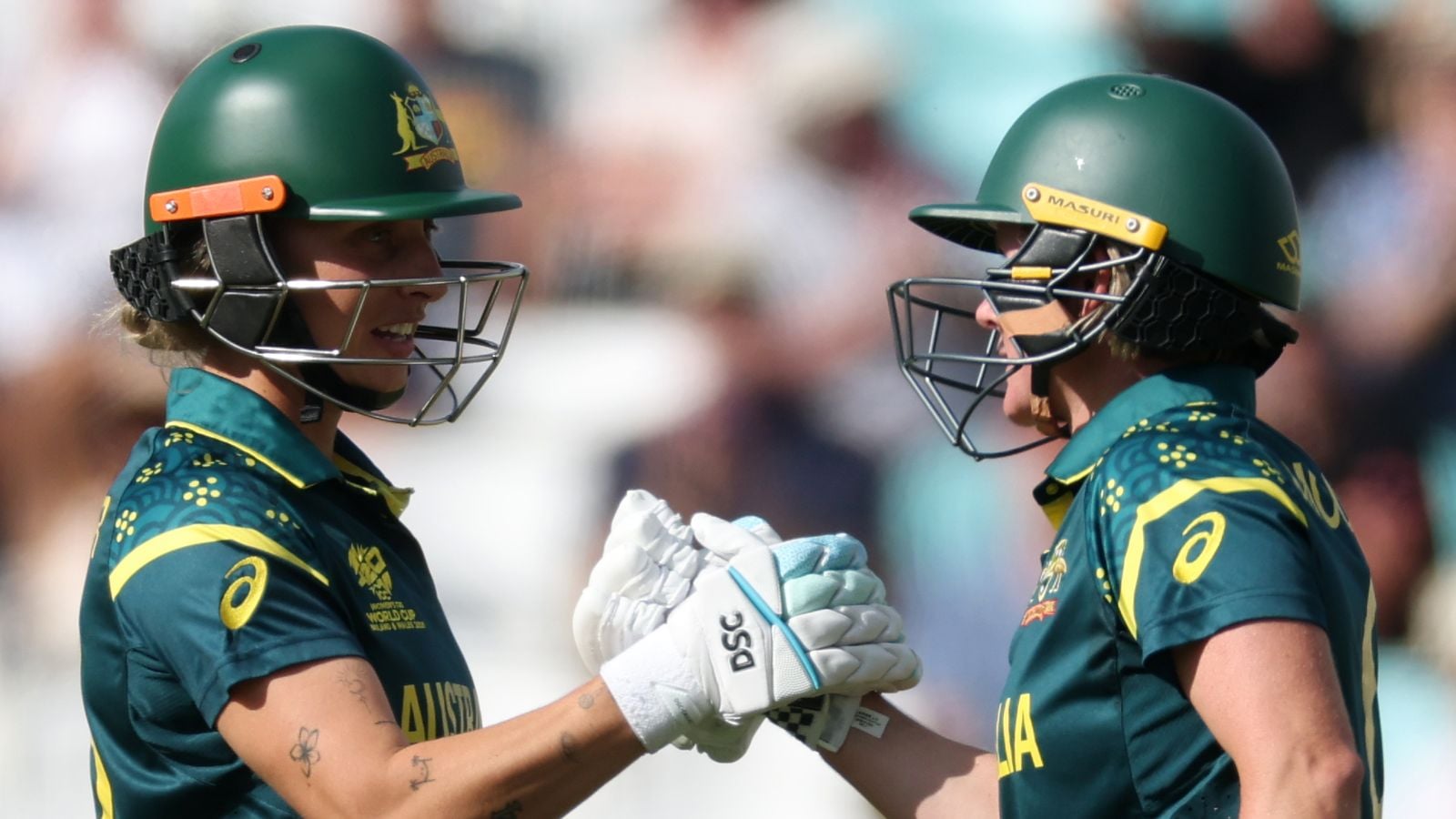

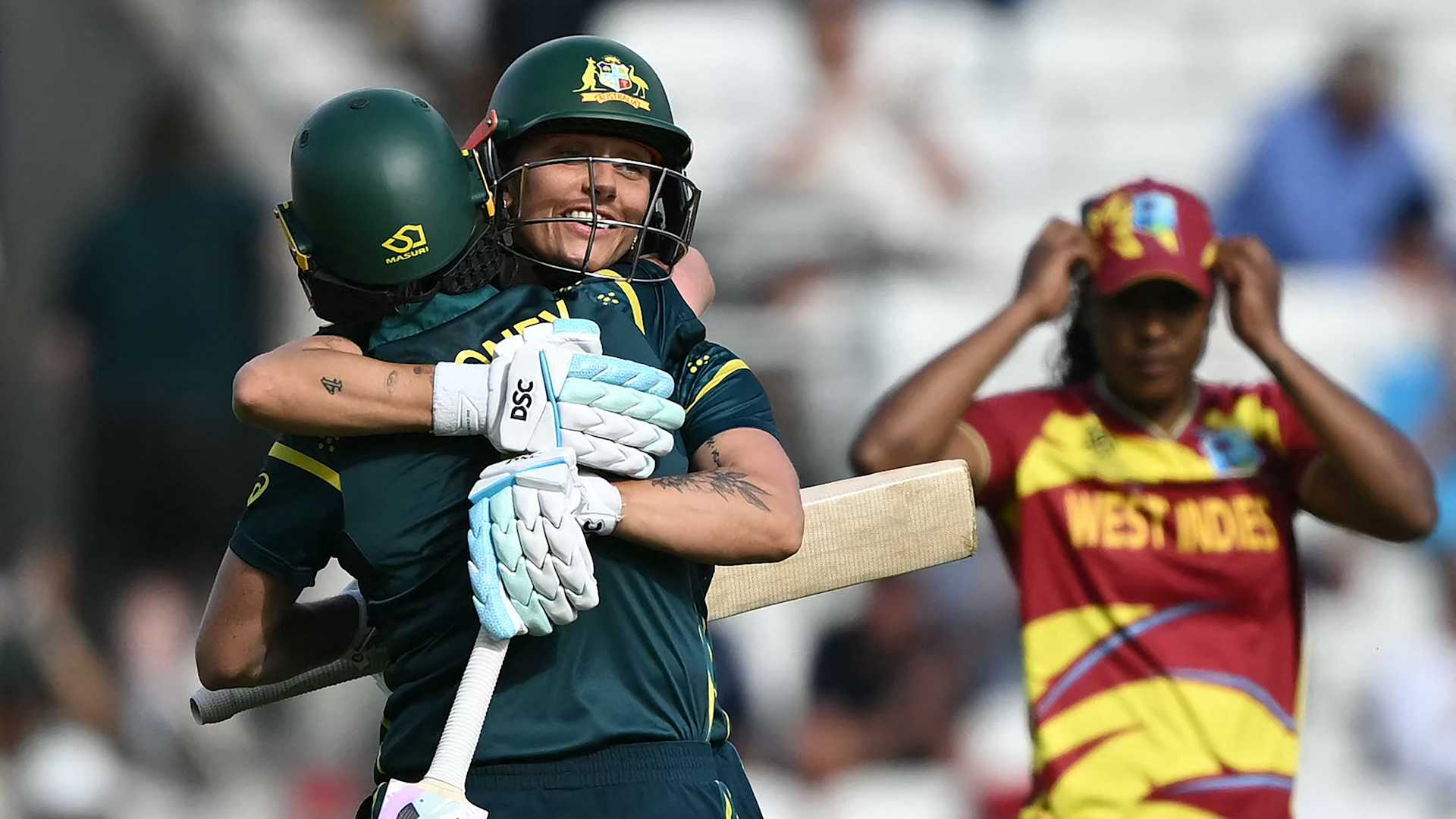
LONDON — Beth Mooney needed one over from Jahzara Claxton to turn a cautious chase into a formality. She took 18 runs off it, and by the time Australia reached 127 for 2 with seven overs still unplayed, the only real suspense left in the semifinal was which team would be waiting for them at Lord’s.
Australia beat West Indies by eight wickets in the first semifinal of the ICC Women’s T20 World Cup at The Oval on Tuesday, restricting their opponents to 125 for 7 before Mooney’s unbeaten 61 off 36 balls and Ashleigh Gardner’s 35 not out chased the target down with more than six overs to spare, the ICC reported. It is Australia’s eighth final appearance in ten editions of the tournament, one win short of a title count that no other nation is within reach of matching.
Gardner did the rest of the damage before she ever picked up a bat. Bowling figures of 2 for 13 accounted for Stafanie Taylor and Jahzara Claxton, both dismissed without scoring, and Georgia Wareham’s 2 for 17 removed West Indies captain Hayley Matthews once she had done the only real damage of the innings, according to the ESPNcricinfo scorecard. Sophie Molineux added 2 for 30 from the other end, leaving West Indies’ middle order to navigate an Australian spin attack that had already decided the outcome before Mooney walked out to bat. “I feel I haven’t had an impact with the ball in the tournament, so to save my best until now is pleasing,” Gardner said afterward, having also struck the winning runs and been named player of the match for an afternoon in which she barely left the field.
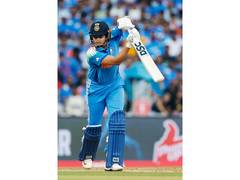
Mooney’s innings had none of the urgency the scoreline eventually suggested. She faced 21 balls before finding her first boundary, content to rotate strike while Gardner accelerated at the other end, and needed only eight fours across her unbeaten 61 to finish the chase in exactly the number of overs that made the required-rate calculation irrelevant by the halfway mark. It was the kind of innings that does not show up as dramatic on a highlights reel and shows up instead in the final margin.
Matthews’s 30 was the top score West Indies could manage, and the innings never recovered from a collapse that took them from 47 without loss to 83 for 6. Deandra Dottin’s defiant 26 not out off 16 balls, in a partnership with Jannillea Glasgow that produced the only late acceleration, gave the total a respectability the match situation did not really support. “We did not play to our full potential for the entire tournament,” Matthews said. “Everyone had to chip in.”
Nobody had to chip in more than usual for Australia, which is the uncomfortable part of watching them at this tournament. They have not lost a match, and Tuesday’s win extended a run of dominance that has made the semifinal against a fast-improving West Indies side look, in retrospect, closer to a formality than the contest it was supposed to be. That kind of margin is what separates a team chasing a record from one merely hoping to compete for it.
This tournament has been framed, fairly, as a changing of generations. Suzie Bates, who holds the competition’s all-time run-scoring record and is retiring after this edition, built her legacy on exactly the kind of accumulation Mooney is now adding to at a much earlier stage of her own career. Mooney’s second half-century of the tournament will not settle the argument over who the format’s next defining batter is. It does narrow it. Australia’s group stage draw put them in the same pool as an India side chasing its own history in this event, and a tournament that has been defined by legacies from its opening weekend now sends the most battle-tested of those teams into its final week still unbeaten.
Australia will learn their final opponent on Thursday, when South Africa play England in the second semifinal, also at The Oval. South Africa have finished runners-up in each of the last two editions, a record of nearly-but-not-quite that has followed Marizanne Kapp and Shabnim Ismail through both of those campaigns. England, the tournament’s inaugural champions in 2009, have not won it since, and no side would carry more emotional weight into a Lord’s final on home soil than one that closed a seventeen-year gap in front of its own crowd.
Whichever side arrives at Lord’s on Sunday, they will do it as clear underdogs. Australia’s chase on Tuesday did not offer a single passage of play that looked in doubt after the seventh over, and a team that has now won this tournament more times than the rest of the field combined does not need a close call in the semifinal to prove it belongs in the final. What it still needs, and what Tuesday did not answer, is whether the record-extending seventh title arrives as comfortably as the six before it.