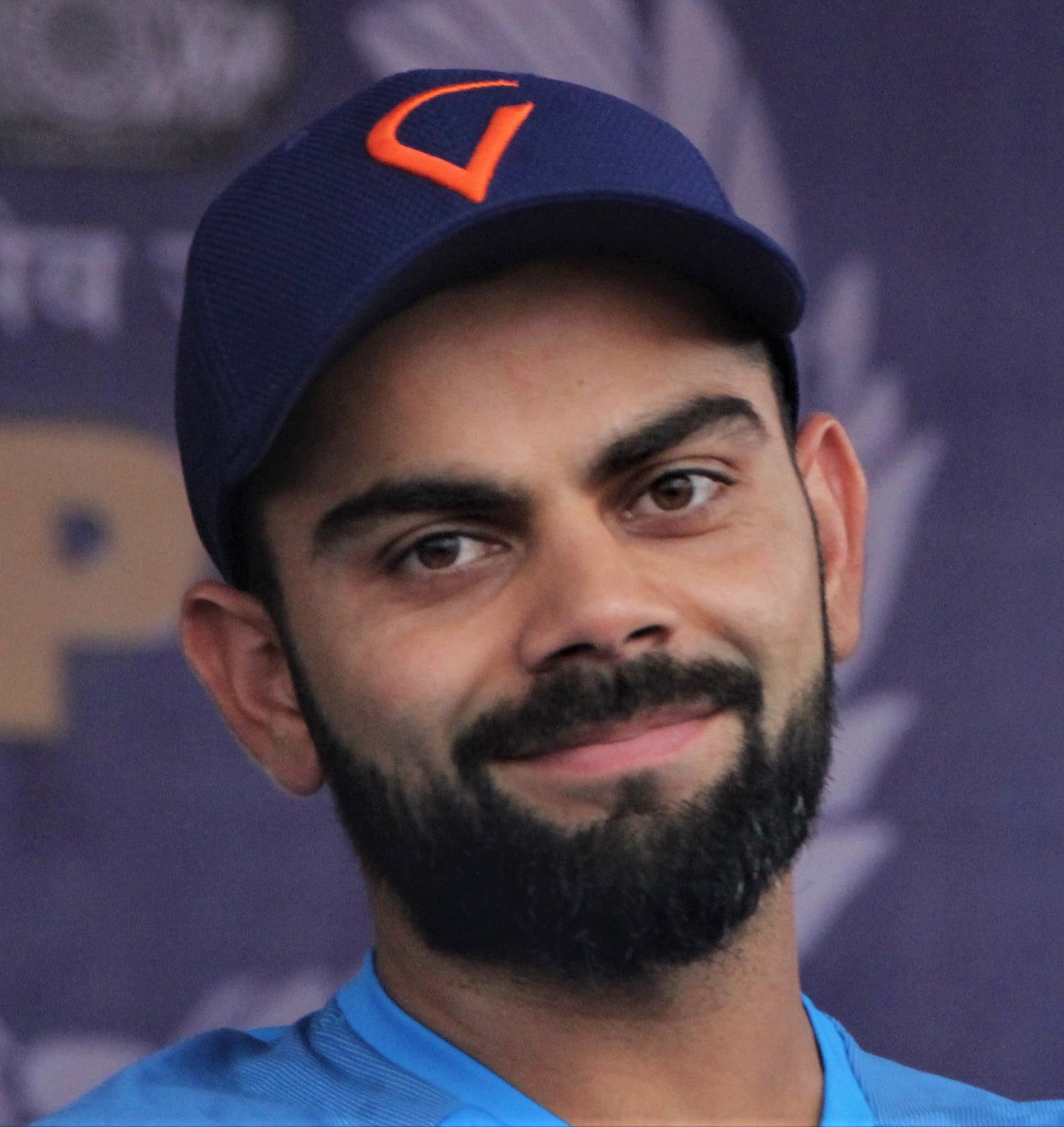

BENGALURU — In June 2025, Royal Challengers Bengaluru won an Indian Premier League title for the first time in eighteen years of trying, with Virat Kohli, the only player who had stayed with the franchise since its founding, at the center of it. Thirteen months later, the company that owned the team sold it.
India’s Competition Commission cleared the sale on June 30, the last regulatory step in a deal first announced in March that transfers 100 percent of Royal Challengers Sports Pvt Ltd from United Spirits Ltd, a Diageo subsidiary, to a consortium led by the Aditya Birla Group alongside the Times of India Group, Bolt Ventures and Blackstone-backed funds. The price: Rs 16,660 crore, all cash.
United Spirits picked up the franchise in 2008 as part of the UB Group empire built by Vijay Mallya, paying roughly $111.6 million, then about Rs 476 crore. Mallya’s business collapsed and he left India in 2016 amid fraud allegations tied to Kingfisher Airlines, and Diageo, which had taken control of United Spirits the same year, inherited a cricket franchise as an unplanned asset sitting inside a spirits company it had bought for entirely different reasons. Eighteen years and one championship later, that inherited asset sold for roughly 35 times what it cost, a return of about 3,400 percent that has little precedent in Indian sports ownership and not much more in Indian corporate history generally.
The timing invites an obvious question: did winning the title make the team worth more, or did Diageo simply wait for the value of IPL franchises broadly to compound, with the championship arriving as a coincidence rather than a cause? The honest answer is probably both, in proportions nobody outside the deal room can verify. IPL franchise valuations have risen sharply across the league on the strength of media rights auctions worth billions of dollars, a trend that would have lifted RCB’s price with or without a trophy. But a franchise that spent nearly two decades as a punchline for near-misses, runner-up finishes in 2009, 2011 and 2016, and no title, carried a specific kind of reputational discount that a first championship removes in a way no rights auction alone can.
For Diageo, the sale is unambiguous in its own logic. The company has said the divestiture sharpens United Spirits’ focus on its core alcoholic beverages business, and a cricket team was never going to be a core alcoholic beverages business no matter how well it performed. Diageo bought a liquor company and ended up running a sports franchise for a decade because a colorful, since-disgraced Indian tycoon happened to own both under one roof. Selling RCB now converts an accidental asset into a very large, very clean cash number at almost exactly the moment its market value peaked on a trophy the company had no direct hand in winning.
What the CCI approval does not touch is the part of this story that actually matters to RCB’s supporters: what happens to the team, and to Kohli specifically, under four new owners with different institutional cultures and no shared history running a cricket franchise together. Aditya Birla brings industrial-conglomerate scale, Times Internet and Times Cricket bring media distribution, Blackstone brings the kind of financial engineering that private equity applies to any asset regardless of sport. None of that consortium composition answers whether a team built around one aging generational player, now finally a champion, gets managed for continuity or restructured for return on the new owners’ considerably larger investment.
Kohli, 37 by the time this ownership change closes, has given no public indication that the sale changes his own plans, and neither the outgoing nor incoming ownership has commented on his contract status beyond the transaction itself. He remains the only player to have represented a single IPL franchise for its entire existence, an eighteen-year run that outlasted both the team’s championship drought and, now, the ownership group that employed him through nearly all of it. Whether that continuity survives a fourth set of owners in less than two decades is the question this deal answers with a valuation, not an assurance.