
PHILADELPHIA — For seventy minutes, Orlando Gill was winning. Paraguay’s goalkeeper had already eliminated Germany on penalties in the previous round, and for more than an hour in triple-digit heat he looked capable of doing something rarer still: shutting out France in a World Cup knockout match with a back line that spent most of the night defending in numbers rather than attacking in any.
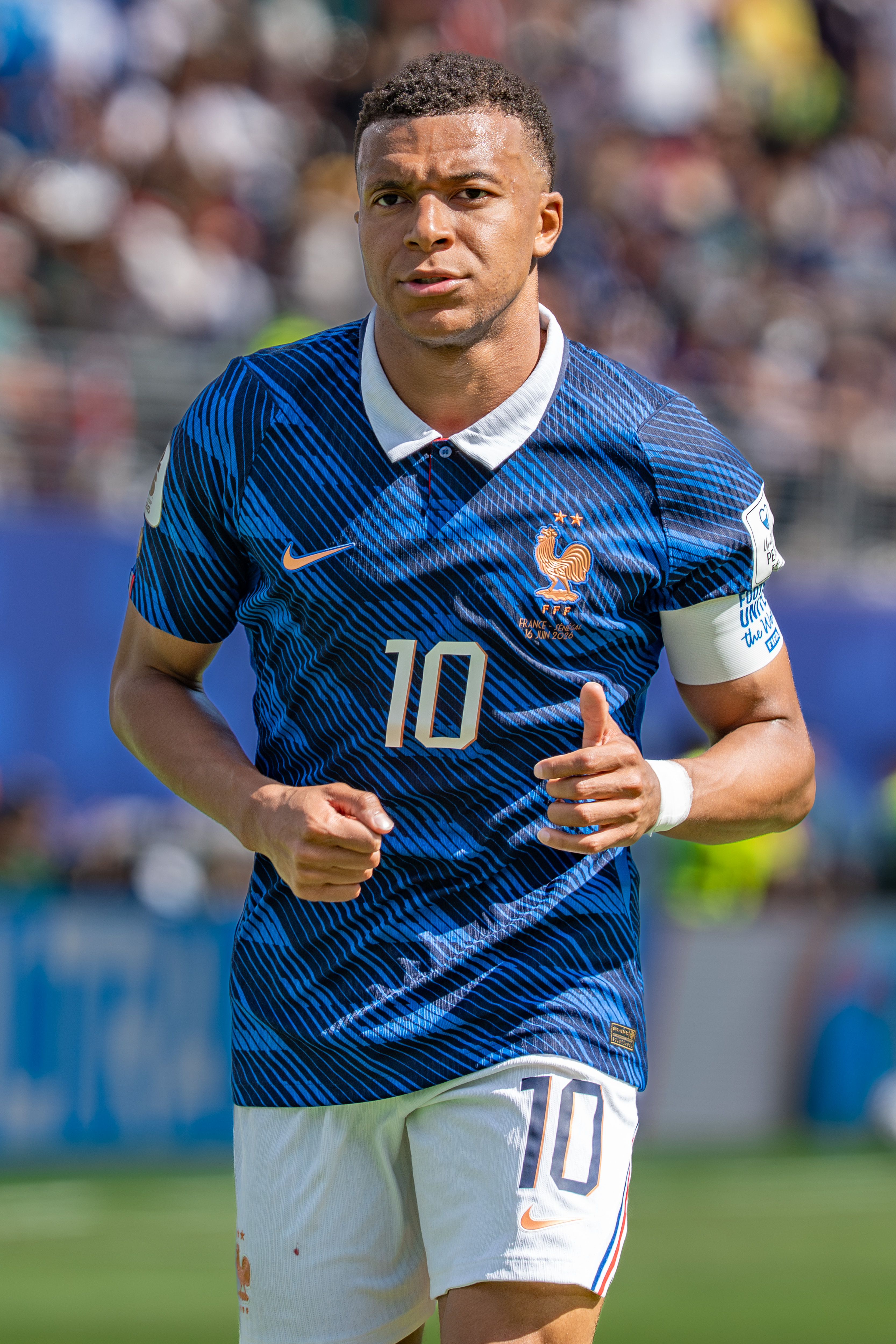
Then, in the 70th minute, Desire Doue went down in the box under a challenge from Diego Gomez. The referee waved play on. A VAR review reversed him. Kylian Mbappe stepped up and buried the penalty, and ESPN reported France had the only goal of a 1-0 win that was far closer than the scoreline or France’s 76 percent possession suggested it should have been.
The goal drew Mbappe level with Lionel Messi’s tally at this tournament, seven apiece, though Messi’s all-time World Cup record of 20 career goals remains one clear of Mbappe’s 19. The comparison will follow Mbappe through the rest of the tournament whether he invites it or not, but Saturday’s version of the story was less about history than about a five-man Paraguayan back line that had, for most of ninety minutes, made a France squad stacked with attacking talent look ordinary.
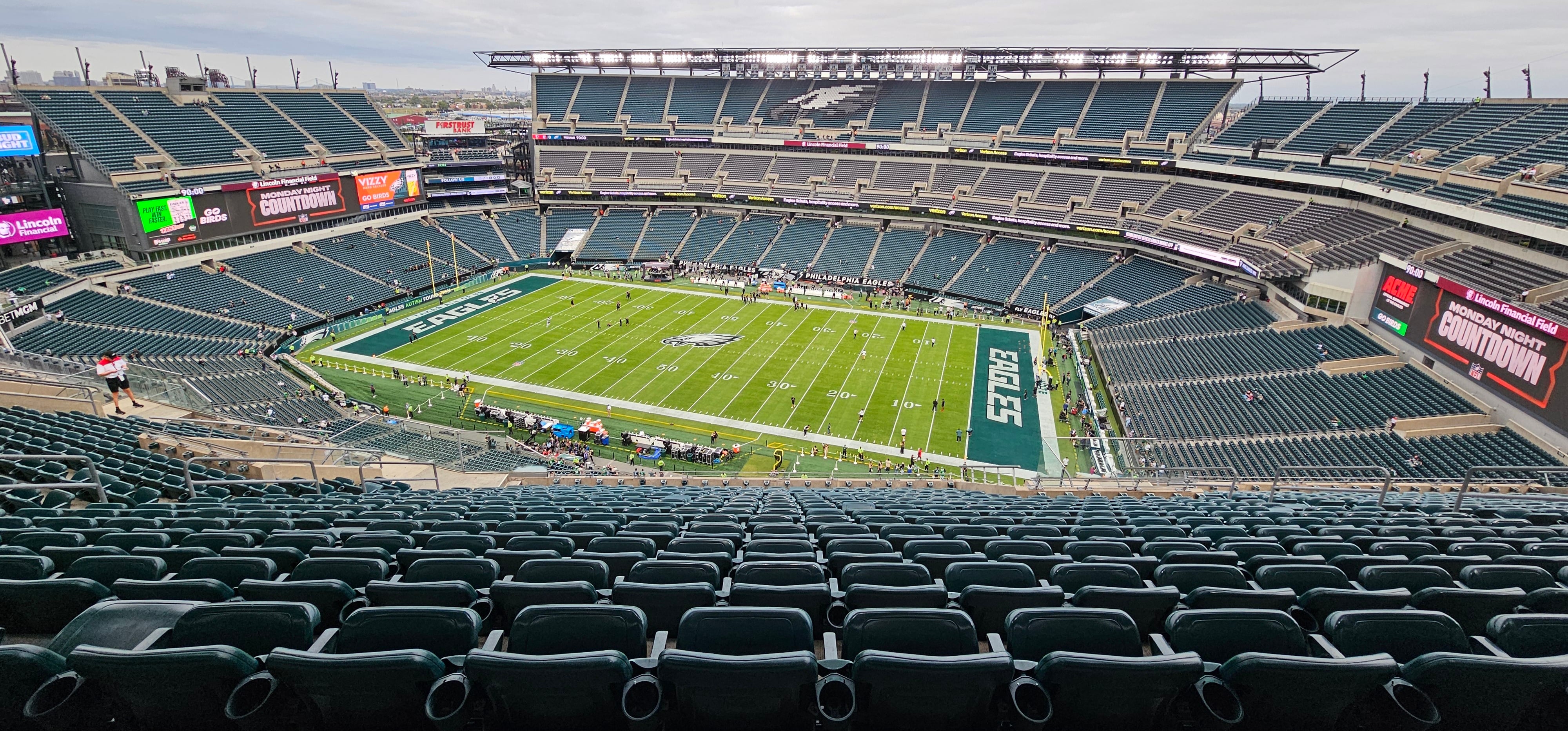
France managed 15 shots and put five on target across the match, a modest return against a team playing to frustrate rather than compete for the ball. Gill had already built a reputation as the tournament’s most disruptive goalkeeper after Paraguay’s penalty-shootout win over Germany, and he spent Saturday extending it, repeatedly getting a hand, a foot or a shoulder to shots that better-resourced teams than Paraguay’s usually convert. The 68,324 fans inside Lincoln Financial Field watched a match play out closer to a rearguard action than a contest between a defending knockout qualifier and one of the tournament’s most talented rosters.
The conditions did not make it easier. Philadelphia was in the middle of the same East Coast heat wave that broke a 154-year-old temperature record in Washington that weekend, with pitch-level conditions pushing past 100 degrees. Neither side let the heat show much in the run of play, but the match had the feel of two teams rationing energy for a tournament that does not stop to let anyone recover, an unglamorous subplot to a night that will be remembered for a penalty and a record chase.
Paraguay’s approach did not stay purely defensive in the way the scoreline implies. Al Jazeera reported that referees missed a clear act of simulation from Matias Galarza late in the match, one of several moments where Paraguay’s physical, niggling approach to slowing France down bled into gamesmanship that went uncarded. Michael Olise picked up a stoppage-time yellow card in the aftermath, a decision that will draw scrutiny given what the officials missed on the other side of the same passage of play. Tournament disciplinary committees have shown little patience this year for spoiling tactics that cross into simulation, and Saturday’s missed call is unlikely to be the last time the subject comes up before the tournament ends.
What Saturday did not produce was any real answer to the question hanging over France entering the knockout rounds: whether a team with this much individual talent can consistently break down a side committed to defending with ten men behind the ball, rather than simply overwhelming teams willing to trade chances. Paraguay gave France 90 minutes and a stoppage-time scare to find out, and the answer arrived only through a penalty won on review rather than a shot created in open play. Morocco, which routed Canada 3-0 to reach the same stage, will present a considerably different puzzle when the two meet in the quarterfinal at Foxborough on Thursday. Whether France solves it with the ball at their feet, rather than from twelve yards, is the question this match left conspicuously unanswered.