
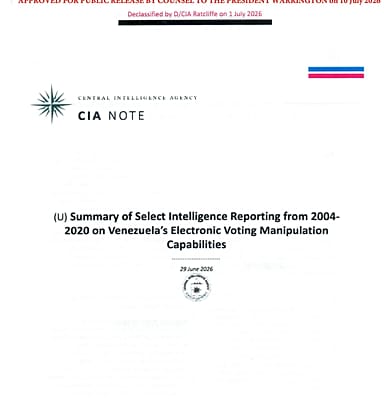
CIA documents declassified by the Trump administration confirm Venezuela maintained a voting-machine manipulation system from Hugo Chávez’s 2012 campaign through Nicolás Maduro’s overturned 2024 election, capable of shifting at least 1.5 million votes. Three state institutions are named: the DGCIM, the intelligence service SEBIN, and the electoral council CNE. The documents note they do not prove fraud in every election listed. Six months after Maduro’s removal, all three institutions remain operational.
WASHINGTON – For years, Venezuela’s government dismissed allegations of electoral fraud as imperialist propaganda, and the international community struggled to prove otherwise. Now, CIA documents declassified by the Trump administration have confirmed what opposition figures long insisted: the country maintained a purpose-built system, active since Hugo Chávez’s final campaign in 2012, capable of shifting at least 1.5 million votes across a decade of elections.
The intelligence records, released Thursday, name three Venezuelan state institutions as central to the scheme: the General Directorate of Military Counterintelligence, known by its Spanish acronym DGCIM; the Bolivarian Intelligence Service, or SEBIN; and the National Electoral Council, the CNE. All three remain operational today, six months into Venezuela’s post-Maduro transition.
The documents carry a critical caveat. The intelligence assessment states the files “do not prove fraud in every election mentioned.” The distinction matters. It is possible to maintain a system for electoral manipulation and not deploy it in every vote, and the CIA chose to make that distinction explicitly rather than collapse the entire electoral history into a single finding of systemic theft.
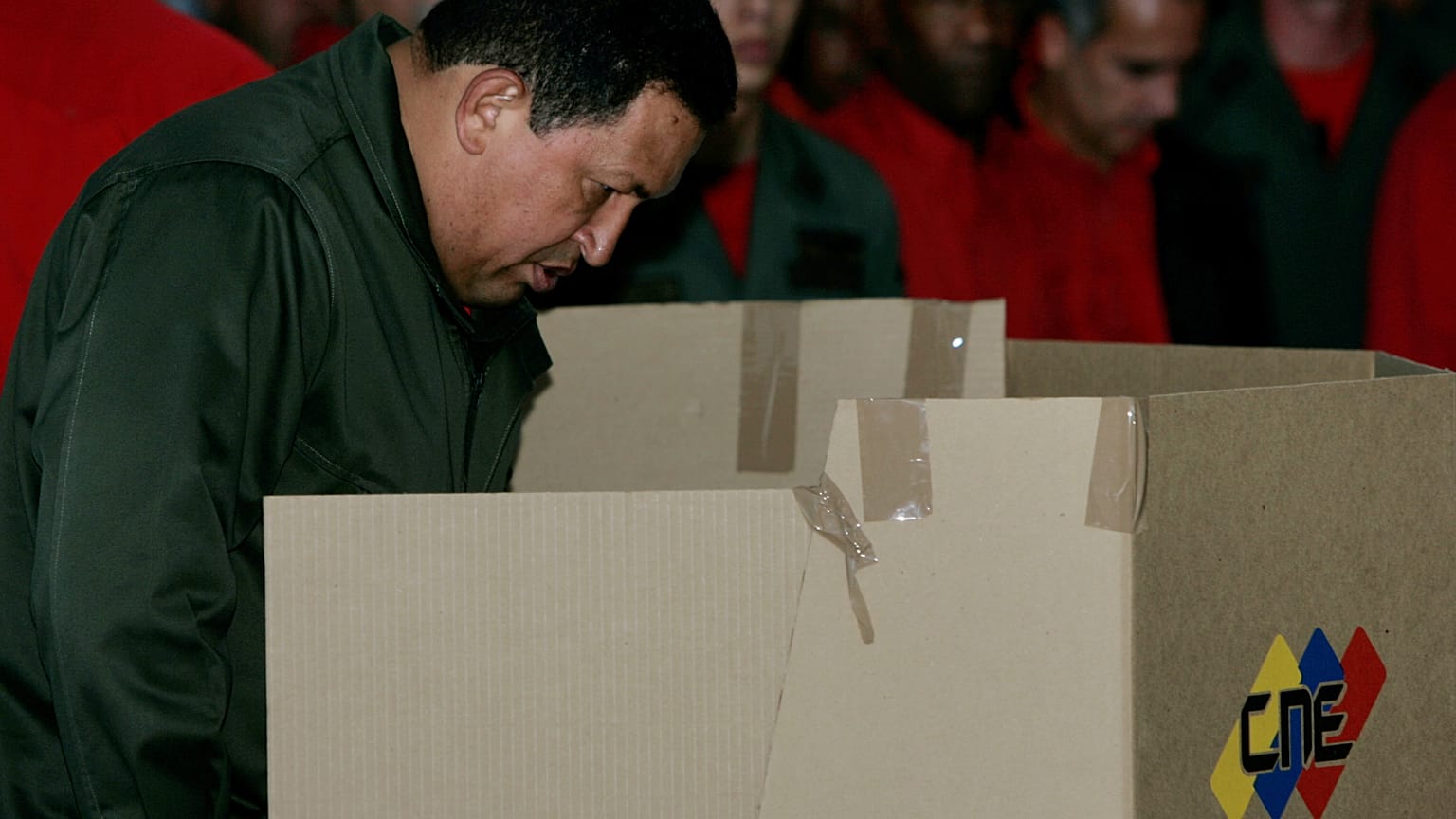
The starting point, according to the documents, is 2012. Hugo Chávez, in the final election of his life, faced the opposition candidate Henrique Capriles having spent $70 billion in the preceding year on social programs that critics called electoral spending by another name. Chávez won by a margin wide enough that no formal challenge succeeded, and the CIA identified his campaign as the moment the manipulation infrastructure was put in place.
A year later, Chávez was dead. Nicolás Maduro faced Capriles in an April 2013 snap election to succeed him, and won by fewer than two percentage points. The CIA documents, according to Euronews, found no conclusive evidence the manipulation system was used in that vote, leaving the unsettling possibility that Maduro may have won his first election legitimately while already possessing the tools to have won it otherwise.
In 2017, the constituent assembly vote produced the first public accusation from inside the process itself. Smartmatic, the British-Venezuelan technology company that had supplied Venezuela’s voting infrastructure, publicly stated that official turnout figures had been inflated by at least one million votes. The government never answered the accusation, a silence that stood as its own kind of response.
By 2020, the main opposition parties had stopped trying. After authorities seized their party registration documents, Venezuela’s major opposition groups were removed from the ballot by administrative action rather than machine manipulation. The question of whether the pre-programmed system would have been deployed became irrelevant.
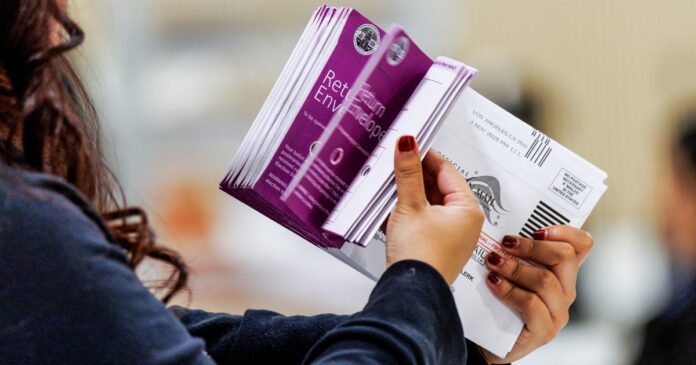
The 2024 presidential election differed from every previous vote in one crucial respect: the fraud could be traced from outside the system. Opposition poll workers known as testigos collected the printed receipts produced by each voting machine, and these QR codes allowed them to reconstruct the full vote count precinct by precinct, independently of the official tally.
Their count showed Edmundo González Urrutia had won by a substantial margin. Government officials, the CIA documents indicate, did not attempt to adjust the machine outputs as the established system was designed to do. They changed the announced figures directly, a decision that made the fraud more readily documented than any previous manipulation effort in Venezuela’s recent history.
González was subsequently recognized as the legitimate winner by the United States government. He has not returned to Venezuela to take office. The country’s political transition remains incomplete and contested.
The timing of Thursday’s declassification is not explained in the documents themselves. The Trump administration released the intelligence six months after a US military operation that removed Maduro from power, a sequence that has prompted questions about whether the documents serve as retrospective justification for that intervention, a signal to Venezuela’s new government, or straightforward transparency. The documents do not say.
What the documents leave unresolved is also notable. They do not specify which elections between 2012 and 2024 actually deployed the manipulation system, as opposed to simply maintaining the capability. They do not name who ordered each deployment or by how much specific results were altered.
The gap between documented capability and documented use is precisely where the CIA’s own caveat becomes most consequential. A system can exist and lie dormant. Whether it did, in which votes, and at whose direction remains an open question the declassified documents do not answer.
Elvis Amoroso continues as president of the National Electoral Council six months after the government that appointed him lost power. The DGCIM and SEBIN remain intact. The institutions named in the CIA documents as central to the manipulation system have not been formally disbanded or restructured.
Venezuela’s post-Maduro authorities have not said publicly when or whether they intend to dismantle those institutions. The declassified CIA record provides the historical architecture of how electoral fraud was built and sustained over twelve years. It does not provide a guide to what Venezuela does with that inheritance.