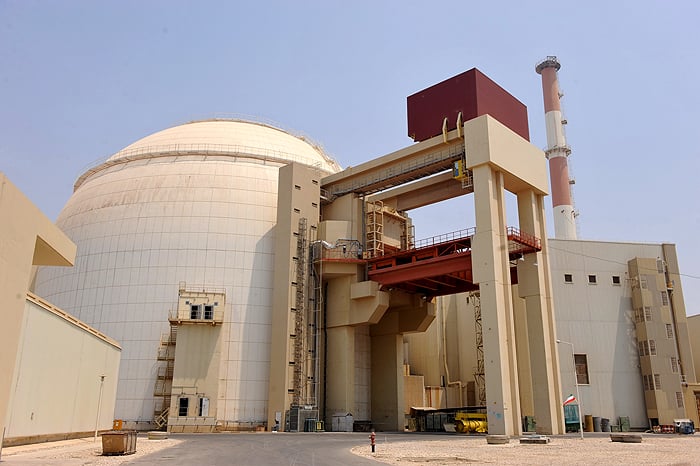

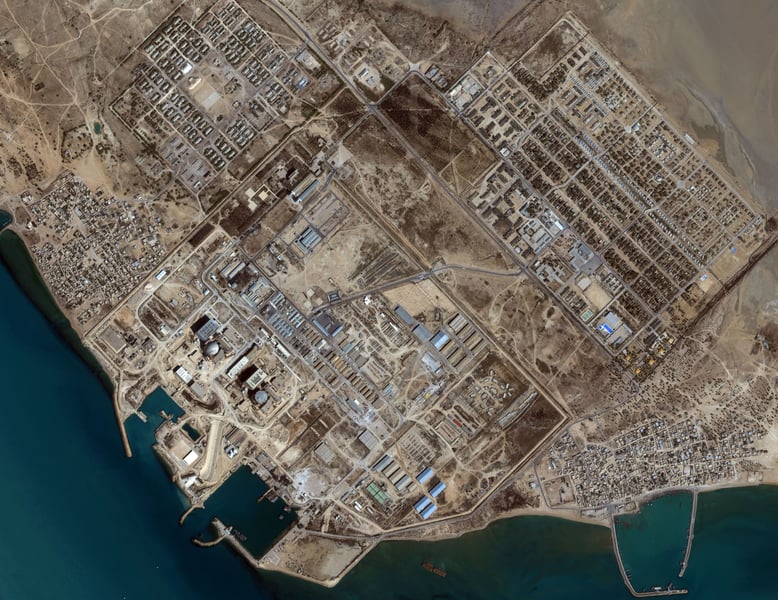
Satellite imagery analyzed by Al Jazeera shows newly formed impact scars inside Iran’s Bushehr nuclear power plant complex following US CENTCOM strikes on July 7-8, 2026. Iranian officials deny the reactor itself was damaged, but European Sentinel-2 images captured July 7 and July 12 show marks within the 2.5-square-kilometre facility and nearby support buildings. The IAEA has warned nuclear facilities must never become military targets. Bushehr is Iran’s only operating nuclear power plant.
TEHRAN – Satellite imagery analyzed by Al Jazeera’s open-source intelligence unit shows newly formed impact scars inside the perimeter of Iran’s Bushehr nuclear power plant following American strikes on the country’s southern coast, raising nuclear safety concerns that neither Washington nor Tehran has directly addressed.
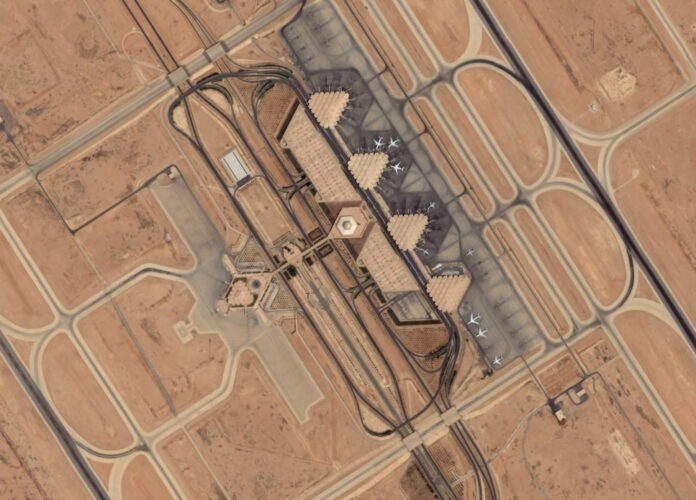
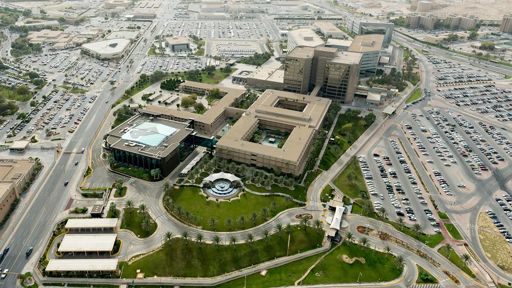
European Sentinel-2 imagery captured on July 7 and July 12 shows what analysts describe as newly formed impact sites within the 2.5-square-kilometre Bushehr complex and in nearby support facilities. The images document changes to the site in the days following US Central Command’s announcement that it had struck approximately 90 military targets along Iran’s southern coast between July 7 and 8.
CENTCOM described the strikes as targeting “air defence systems, missile and drone storage sites, naval assets and military infrastructure.” Bushehr and nuclear facilities more broadly were not identified among the announced targets. No further clarification has been offered by Washington.
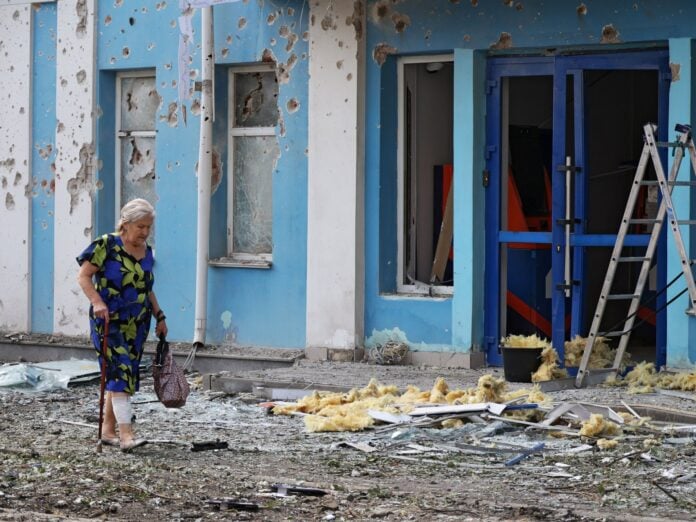
The official Iranian response has been narrow. Ehsan Jahanian, deputy governor of Bushehr province, acknowledged on July 9 that “several locations across the province had been struck, including areas surrounding the Bushehr nuclear power plant, a military site in Choghadak and a fishing port in the south of the province.” When asked specifically about the reactor, Jahanian said it “remained unaffected and continued operating normally.”
That distinction between areas surrounding the plant and the reactor itself matters more at a civilian nuclear facility than at other military or industrial sites. Bushehr-1 is Iran’s only commercially operating nuclear power plant, its 915-megawatt reactor entering commercial service in September 2013 under a construction agreement with Russia’s Rosatom.
The complex extends across 2.5 square kilometres and includes reactor buildings, cooling channels, assembly halls, turbine facilities and a harbour. Damage to power supply or cooling infrastructure carries consequences distinct from damage to a missile depot or radar installation. Those systems keep the nuclear fuel inside the reactor stable.
Friday’s disclosure is not the first time strikes have reached near the Bushehr complex during the current conflict. IAEA event reports documented projectile strikes affecting the surrounding area on March 17, March 24, March 27, and April 4. Iranian authorities reported normal reactor operations following each incident. Whether those events involved the same support facilities now shown in the July satellite images cannot be determined from public information.
The International Atomic Energy Agency issued a pointed response after the satellite analysis became public. “Nuclear facilities should never become targets of armed attacks because of the potential consequences for people, the environment and regional nuclear safety,” the agency said, as reported by Al Jazeera. The IAEA did not attribute responsibility for the strikes or confirm damage to the reactor’s core systems, but its language applied directly to what the satellite images had just shown.
Bushehr’s civilian nuclear status gives the IAEA’s warning particular legal weight. Under international humanitarian law, attacks on facilities containing dangerous forces, including nuclear installations, are prohibited when those attacks risk severe civilian consequences. Legal scholars note that this prohibition applies regardless of whether military assets are co-located near the facility.
The geographic exposure amplifies the concern. Bushehr sits approximately 11 miles south of Bushehr city and less than 100 kilometres from the coastlines of Qatar, Bahrain, and Kuwait across the Persian Gulf. Nuclear safety advocates argue that contamination from a compromised coastal reactor in southern Iran cannot be contained within national borders. The Gulf states sit within the potential fallout radius of any serious breach of Bushehr’s containment or cooling systems.
Iran’s declaration that international inspectors cannot access bombed sites during active hostilities has left external assessment frozen. Iran’s chief negotiator made that position explicit in early July, arguing that the United States had bombed the very facilities it was simultaneously demanding the IAEA inspect. Without ground access, the agency’s ability to independently verify damage at Bushehr remains limited to satellite analysis and official statements that currently contradict each other.
The pattern of strikes on sensitive civilian infrastructure has widened with each round of US bombing. A strike near Shahid Baghaei hospital in Ahvaz forced the evacuation of 211 pediatric cancer patients mid-chemotherapy earlier this month. Iran’s parliament speaker subsequently declared the June 17 ceasefire agreement void, describing the conflict as an existential war. Satellite confirmation that impact scars have appeared inside a nuclear plant’s perimeter signals that the conflict has entered territory where consequences extend beyond military and political calculation.
What the satellite imagery cannot determine is whether the July 7-8 strikes inside the Bushehr perimeter were intentional targeting of support infrastructure or ordnance falling inside the facility’s security zone while aimed at nearby military sites. CENTCOM has not addressed the imagery or responded on whether Bushehr’s support zone was deliberately targeted.
Iran has denied damage to the reactor but has not issued a comprehensive assessment of the surrounding facilities. The question of who decides when proximity to an operating nuclear plant becomes targeting of it has been left, for now, to satellite imagery, provincial officials, and international agencies with no current access to the site.