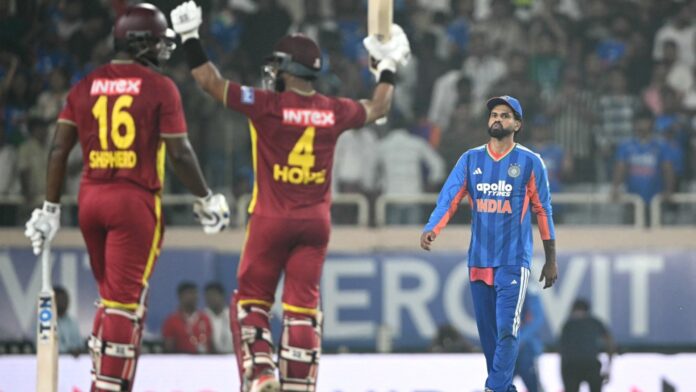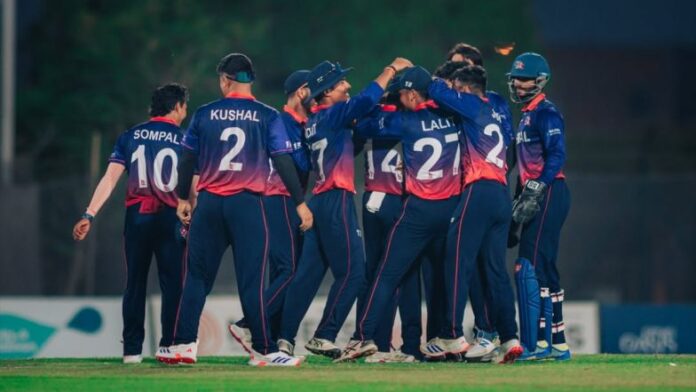

BELFAST — Harry Tector walked to the bowling crease at Stormont on the 20th over of India’s chase needing to defend nine runs against a team that had arrived as heavy favourites and departed humbled. He was playing his 100th T20I. India needed two off the last ball. He gave them one.
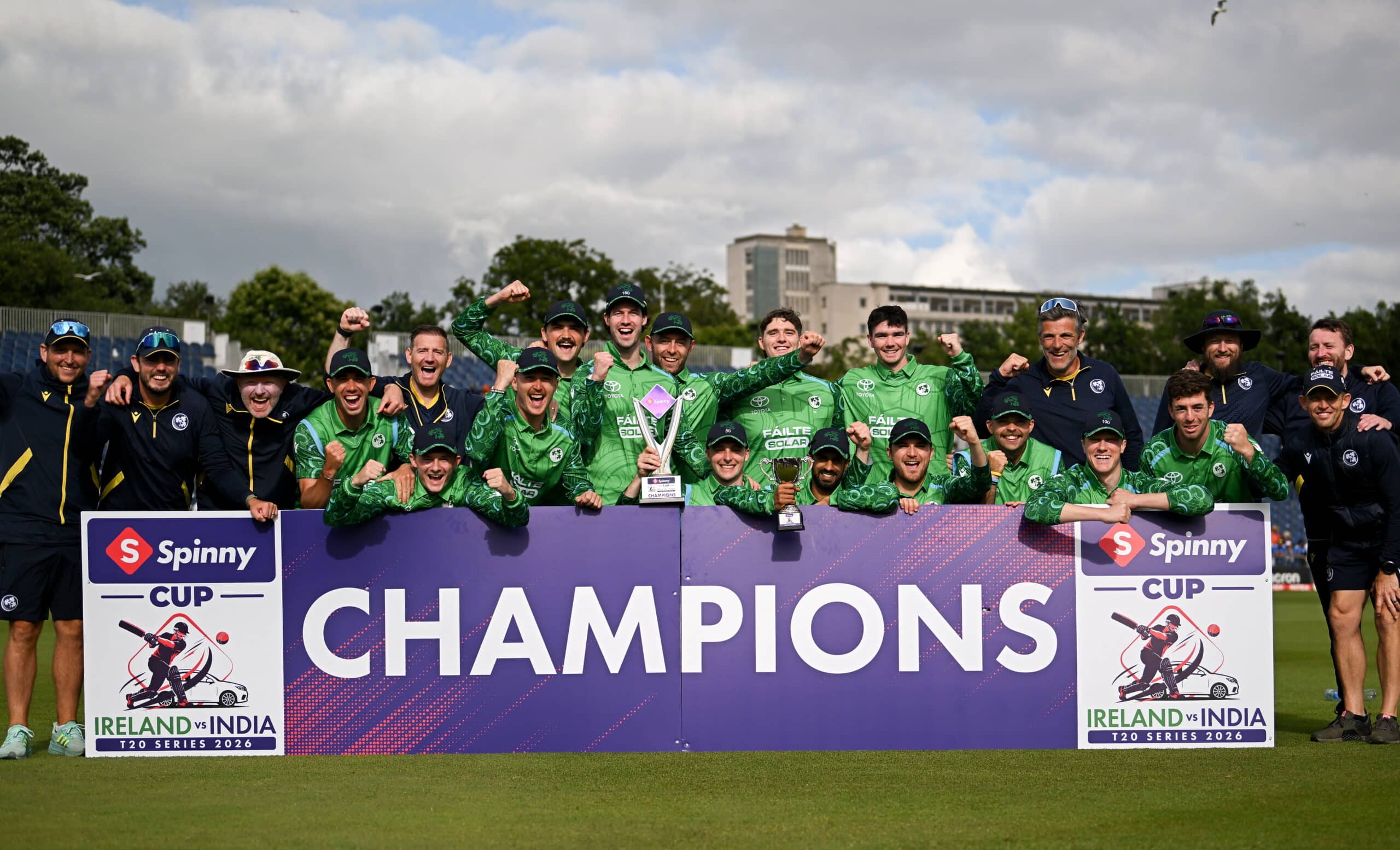
Ireland won by one run.
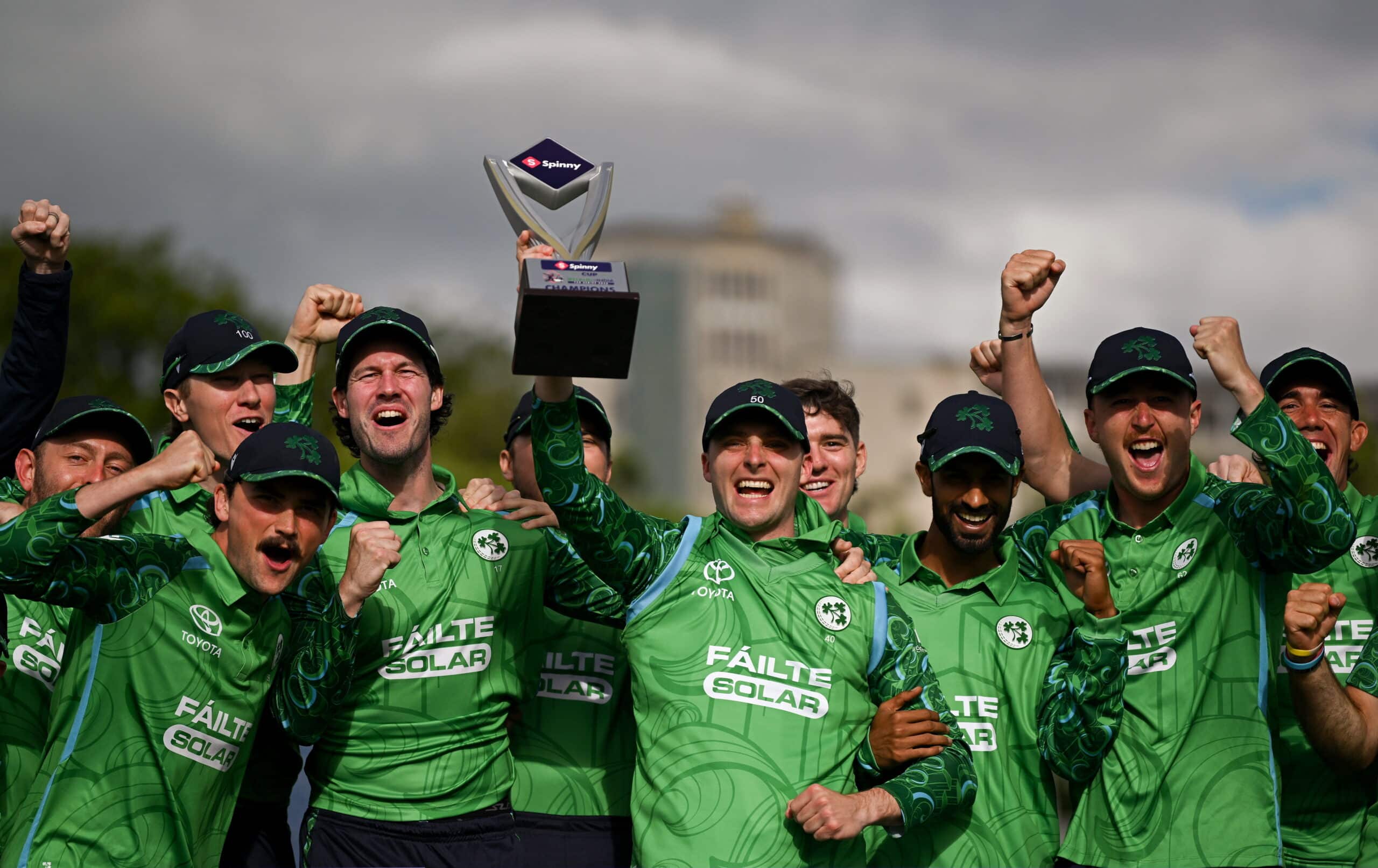
The margin was narrow enough to feel cruel, and India’s dressing room in Belfast had plenty to feel cruel about. A team that had not lost a T20I series in 33 months, one that had won two ICC World Cups in that stretch, walked off the Civil Service Cricket Club ground having been swept 2-0 by a side ranked well below them, having scored 153 from 20 overs when 154 was what they needed.
This was not accidental. Ireland’s bowling is not a collection of happy accidents. On the third ball of India’s chase, Jai Moondra removed Sanju Samson for a golden duck. On the fourth ball he got Abhishek Sharma the same way. A captain’s innings from Shreyas Iyer, named T20I captain for this series as India began rebuilding after their World Cup campaign, lasted barely three overs before Moondra removed him too, for 10. A team that had come to Belfast intending to reassert its T20 authority found itself at 19 for 3 inside three overs, trying to remember how to bat against a bowler they had barely heard of three days ago.
Moondra, the Irish-born pacer who had never played a T20 international before this series, finished with 3 for 32. His five wickets across the two matches earned him the Player of the Series award with the kind of quiet certainty usually reserved for those who have done this many times before.
India tried. Tilak Varma scored 55, the most composed piece of batting in the chase, and alongside Axar Patel he assembled the partnership that brought India back to within touching distance. Shivam Dube extended the run, and for a while Stormont felt like the equations might shift. They did not. Dube fell in the 16th over. Tilak went in the 17th. Harshit Rana, batting with unexpected urgency down the order, engineered the kind of final-over finish that had Irish supporters holding their breath. India needed 11 off Tector’s last over. They got 10.
The singular drama of it, that Ireland’s most experienced player on his 100th appearance made the decisive bowling contribution after earlier scoring 53 with the bat, is the sort of biographical detail that tends to belong to nations with longer cricket histories. Ireland collected it anyway.
Tector’s half-century had given Ireland something to defend when Prince Yadav was picking up wickets at a steady rate earlier in the match. The Indian debutant took 3 for 22, the most economical figures of the day, a reminder that the Indian selectors’ eye for unpolished potential remains sharper than their tactical planning sometimes appears. Ireland batted to 154 for 8 in 20 overs, a total that had the texture of a team aware it had done enough without being entirely sure.
Lorcan Tucker, captaining in only his third match in charge, made the significant decisions look intuitive. Tucker has now scored half-centuries in each of his first three matches as captain, a record for any Full Member nation, and his steady hand across both T20Is gave Ireland the kind of structural confidence that does not depend on any one player having a dominant day.
Ireland’s 2-0 series victory is the first in any format over India in the country’s cricket history. In the same week Gary Wilson succeeded Heinrich Malan as head coach, and in the same week Matthew Hollard and Moondra combined for 11 wickets as debutants, Cricket Ireland noted the numbers behind a result that felt less like an accident than a statement. George Dockrell equalled Rohit Sharma’s international appearance record at 159 caps during the series, a symmetry that underlines how deep Ireland’s senior core has become.
Sunil Gavaskar had called India’s performance in the first match their worst days in recent memory, and while the team avoided a comparable collapse in the second, Moondra’s three-wicket burst inside the first three overs remained the decisive intervention. India lost four wickets inside the powerplay; the recovery required more than Tilak Varma could provide alone, and he very nearly provided enough.
India had come to Belfast without several established names from their regular T20I setup, and the series exposed a powerplay vulnerability that is not easily addressed by talent in the middle order. What Iyer does next, whether he reshapes the opening partnership or deepens the bowling attack for the England series ahead, will define whether this result is treated as a wake-up call or a series too easily explained away.
Ireland, for their part, had no interest in false modesty. They are a team that beat the world’s number one side twice in five days using players who had never represented the country in this format before. India’s squad had included Vaibhav Sooryavanshi, set to become the youngest cricketer to represent the country in T20 internationals, yet the series belonged to two Irish debutants who arrived unknown and departed with wickets. The harder question for Ireland is whether this group can carry the same precision into tougher assignments. The numbers from Belfast suggest they are ready to try.