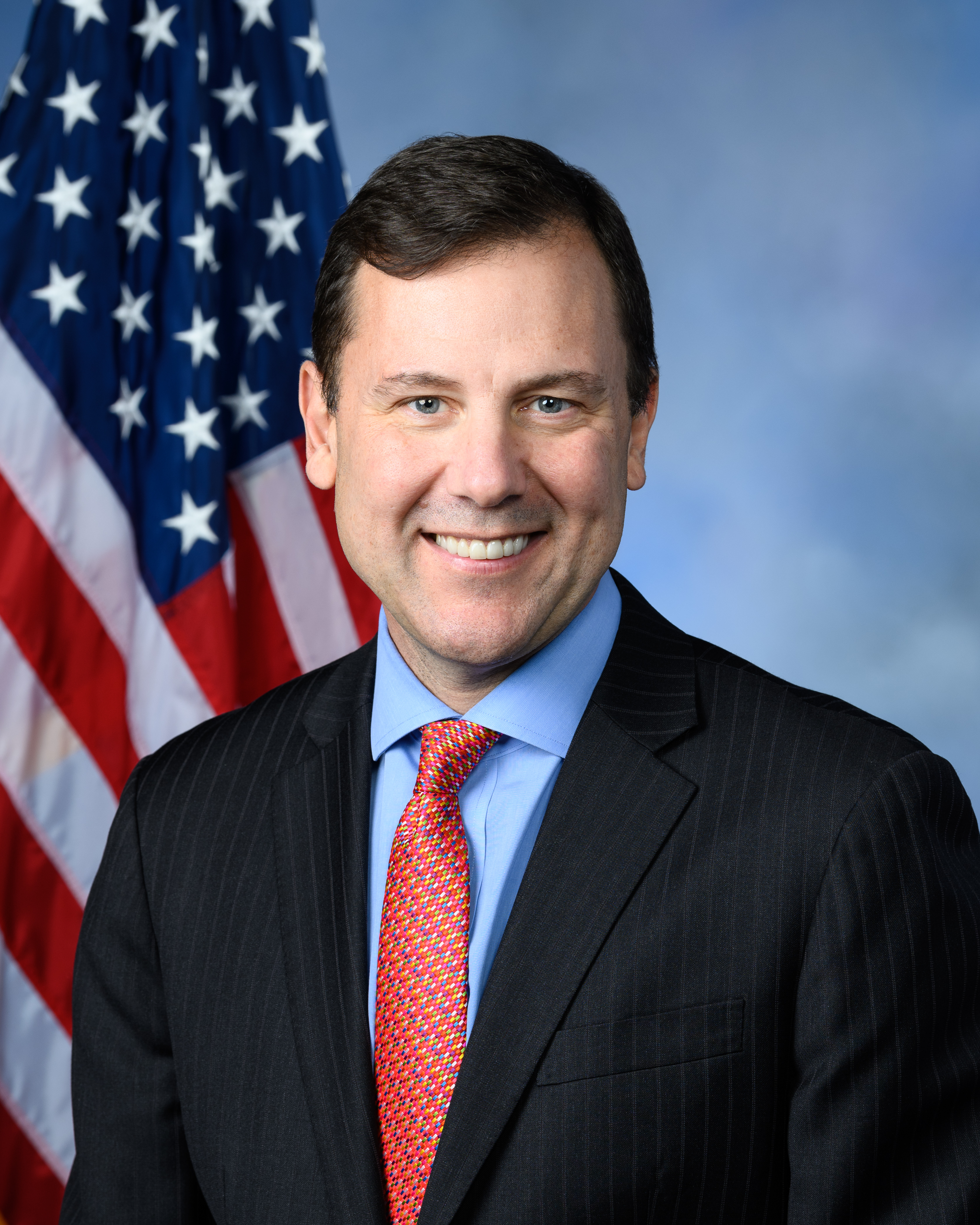

WASHINGTON — For nearly four months, Tom Kean Jr. missed 140 roll call votes and gave his constituents no explanation. On Tuesday, standing on the House floor, the New Jersey Republican gave them one. “I was given the diagnosis of depression,” he said, in remarks Axios reported ended one of the longest unexplained absences by a sitting member of Congress.
Kean returned to Congress the same week he introduced the Mental Health Parity Enforcement and Funding Act, legislation that would let the labor secretary enforce federal mental health parity requirements through civil penalties and would direct $30 million a year through 2031 to the Labor Department’s Employee Benefits Security Administration to carry out that enforcement. The timing was not incidental. Kean had just lived through the kind of gap the bill is meant to close.
This is not new territory for him. As a New Jersey state senator, Kean sponsored the 2019 law that then-Governor Phil Murphy signed requiring state-regulated health insurers to cover mental health and substance-use disorders under the same terms as any other illness. The federal version he introduced this week extends that logic to enforcement: mental health parity has been federal law since 2008, under the Mental Health Parity and Addiction Equity Act, but responsibility for policing it has been split across three federal agencies and every state insurance regulator, a structure that has historically left violations to surface only after a patient or family formally complains.
Kean’s own voting record on health care complicates the moment. He has voted for Republican budget measures that reduced federal funding for Medicaid, the program that covers mental health treatment for a large share of the lower-income Americans the parity law is supposed to protect, and critics were quick to note the contradiction once he disclosed the reason for his absence. Kean has not addressed that tension directly. His public statements since returning have focused on the parity bill itself rather than reconciling it with the votes that came before his diagnosis.
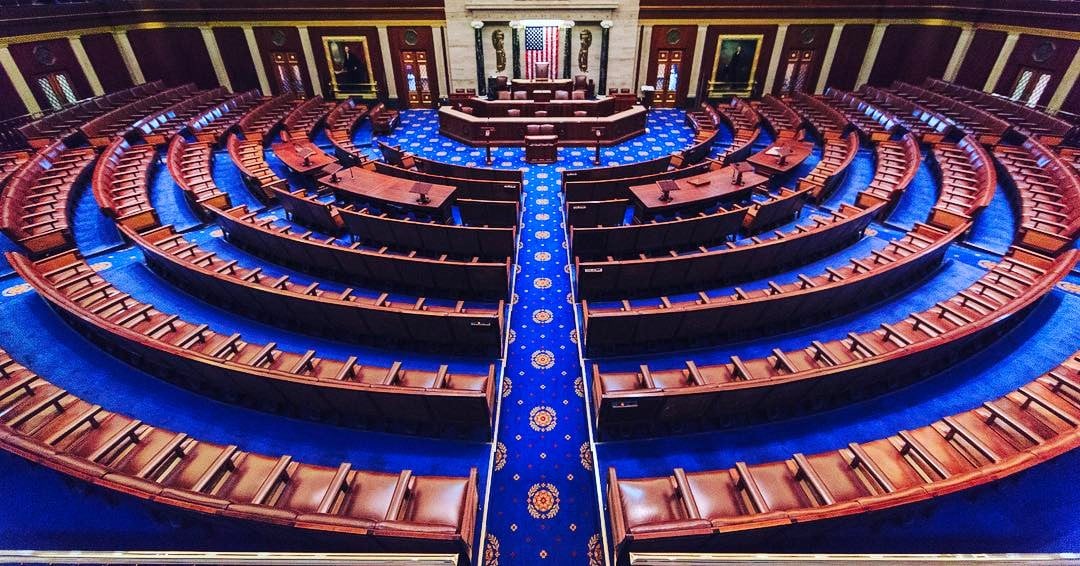
The enforcement gap Kean is targeting is well documented on paper. The Employee Benefits Security Administration, the office that would receive the new funding, has reported for years that most health plans it audits fail at least one requirement of the 2008 parity law on first review, most commonly around how insurers restrict access to out-of-network mental health providers or apply stricter prior-authorization rules to psychiatric care than to physical treatment. The agency’s enforcement staff has remained a fraction of the size its own reports to Congress say would be needed to audit the number of plans nationwide.
The 2008 law itself, formally the Paul Wellstone and Pete Domenici Mental Health Parity and Addiction Equity Act, passed with bipartisan support and honored a senator who had championed the issue before his death in a 2002 plane crash. It required parity in coverage but left enforcement scattered, a structure mental health advocates have argued for years makes violations easy for insurers to avoid detecting until well after the fact. Kean’s bill does not rewrite the underlying coverage requirement. It concentrates enforcement authority and money in a single office.
Whether the bill moves is a separate question from why Kean introduced it now. Enforcement-focused legislation on an existing mandate typically draws less industry opposition than new coverage requirements would, since insurers are already technically bound by the underlying law. But appropriators, not the bill’s authorizing text, will decide whether the $30 million a year actually gets funded. Kean sits on the House Financial Services Committee, not the appropriations panels that control that decision, which gives him influence over the bill’s introduction but no guarantee over its funding.
Kean has said publicly why he chose to speak. “If sharing my story encourages even one person to seek help, if it gives one family the courage to have a difficult conversation, or reminds one person that recovery is possible, then this moment will have been worthwhile,” he told colleagues on the floor, ABC News reported. What he has not said is how long his hospitalization lasted, what specific treatment he received, or whether he intends to address the 140 missed votes individually with constituents who went without representation on each of them. His office has confirmed only the broad outline: an absence, a diagnosis disclosed on his own timeline, and a bill introduced the week he returned.