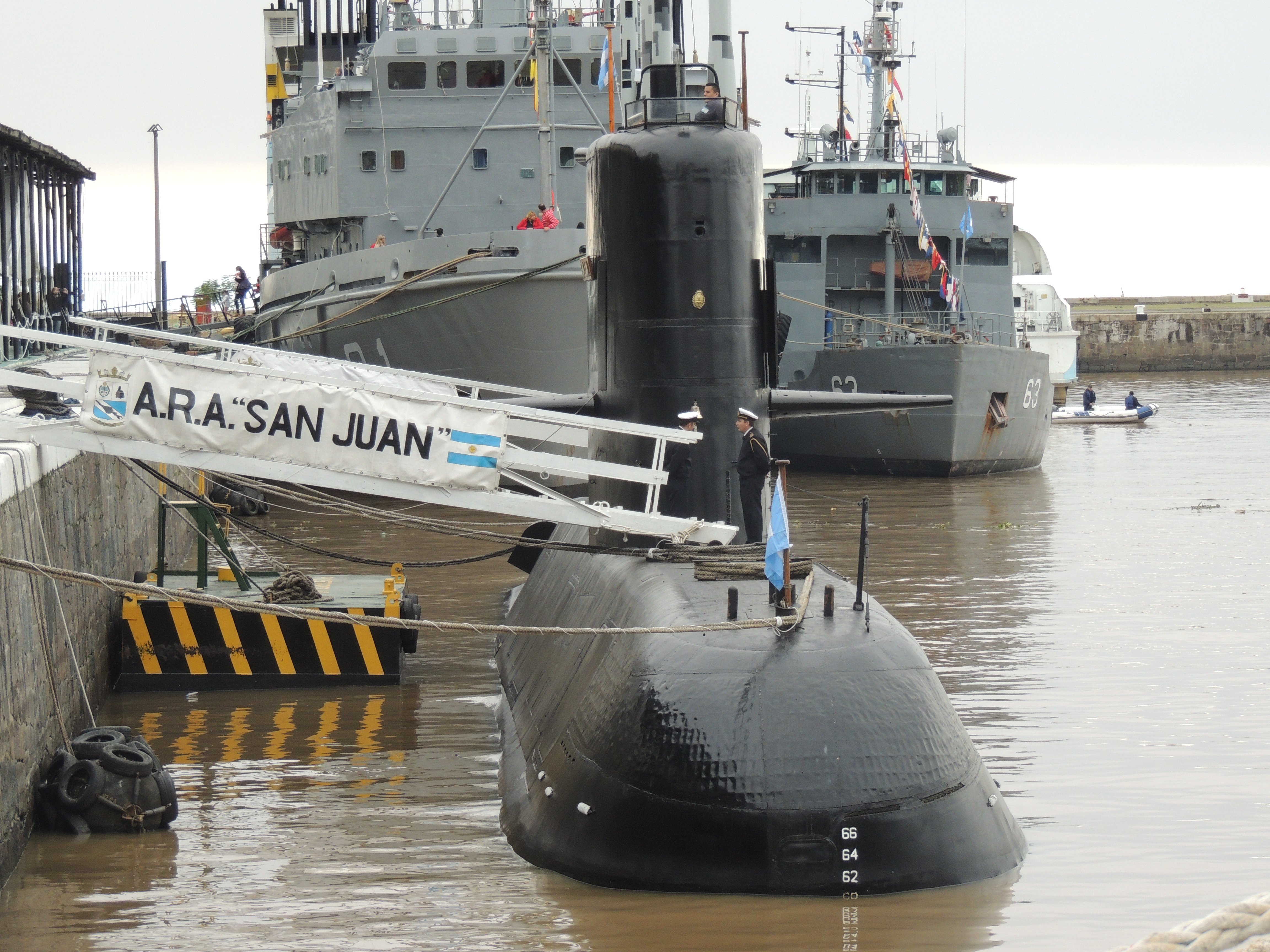

BUENOS AIRES – Victoria Morales did not wait inside the courthouse. She stood outside the federal building in Santa Cruz province on Thursday as the judge concluded nine years of proceedings with a verdict that put one name on a three-year sentence, suspended, and sent three other naval officers home without charge. Her son, Esteban Garcia, was among the 44 Argentines who died when the submarine ARA San Juan imploded more than three thousand feet below the South Atlantic on November 15, 2017. “Those responsible are left unpunished,” she said.
Claudio Villamide, who commanded Argentina’s submarine force at the time of the disaster, was convicted of aggravated negligence and breach of duties, CBS News reported. Beyond a three-year suspended sentence, he was barred from public office for six years. He will serve no time in prison. Valeria Carreras, the attorney representing the victims’ families, put the outcome plainly: “These were 44 preventable deaths.”
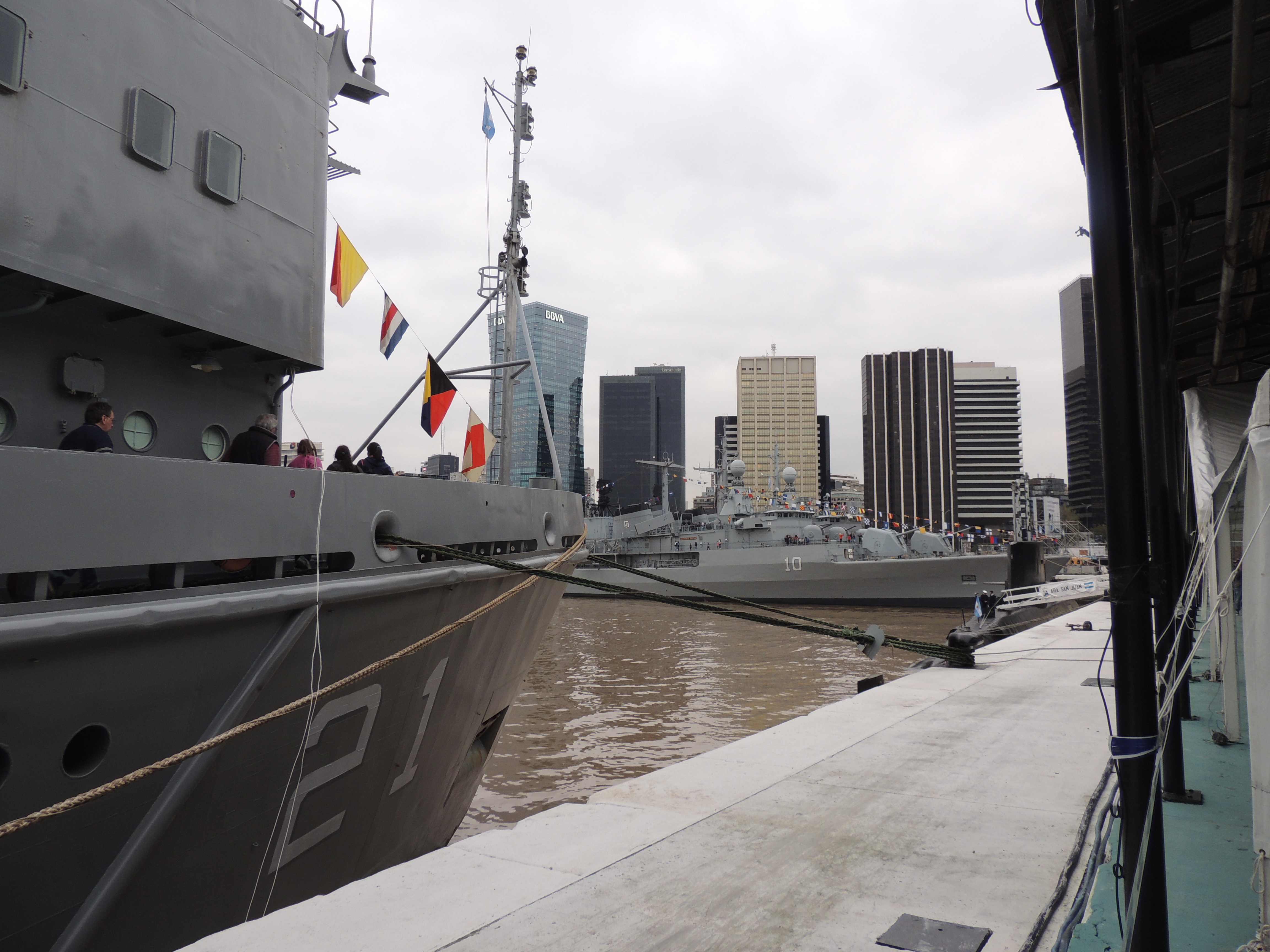
The ARA San Juan departed on a routine patrol on November 13, 2017, carrying 43 men and one woman, Eliana Krawczyk – the first female submariner in Argentine naval history. Two days later, contact was lost. The vessel was found fourteen months afterward, in November 2018, lying on the seafloor approximately 310 miles off the Santa Cruz coast. It remains there. No remains have been recovered.
Federal investigators established that seawater had entered the ventilation system during the patrol, short-circuiting the battery bank and triggering a fire before the vessel imploded at roughly 3,000 feet depth. The sequence was mechanical and, the court determined, traceable to command-level decisions about the vessel’s operational readiness. The question at the center of the case was whether those who authorized the mission knew the risks and deployed the submarine regardless.
The federal court answered that question partially. Three former naval chiefs who faced charges alongside Villamide were acquitted Thursday. Their acquittals sit beside his conviction without apparent contradiction, but the families are not satisfied. If the negligence was aggravated enough to constitute a crime – severe enough to kill 44 people – the mechanism by which it stopped at the submarine force commander and went no further into the chain of command is what the families say they will challenge in their appeal.
A suspended sentence under Argentine law means the convicted person does not serve time in custody unless they commit another offense during the suspension period. Villamide has been barred from holding public office, which closes one avenue. But the sentence carries a weight that the families and their attorney say falls far short of 44 deaths. In Argentina, courts have in past decades sentenced military officers from the 1976–1983 dictatorship to decades in prison for their roles in disappearances and killings. The calibration of culpability in Thursday’s verdict – negligence versus intent, peacetime versus wartime context – produces a different legal threshold, and a fundamentally different outcome.
Argentina’s legal engagement with military accountability has a specific shape: long, contentious, and productive of verdicts that arrive years after the events they address. The dictatorship cases established that Argentine courts were willing to act and that military rank was not a shield from civilian justice. They did not establish that institutional negligence – the operational decisions that put a vessel to sea in a state that ends in implosion – carries comparable legal weight to intentional killing. That distinction is now the center of the families’ appeal.
The verdict reached Buenos Aires on a week when Argentina’s national team also awaited a World Cup quarterfinal against Switzerland. Argentine newspapers covered both without merging them, but the juxtaposition was not missed: one narrative belongs to the world; the other belongs to 44 families and a wreck on the seabed that no court has yet ordered raised.
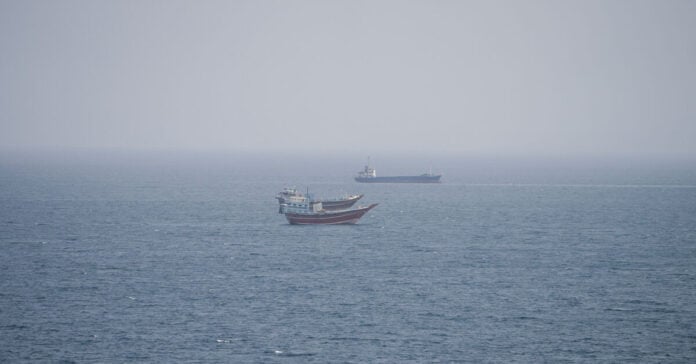
The ARA San Juan has not been raised from the South Atlantic. The Argentine Navy has maintained since the wreck’s discovery that recovery is technically unfeasible at its depth with available resources. The families have disputed that, arguing that technology exists and that the state has chosen not to deploy it. No court order compels recovery. No government timeline for addressing the question exists. The 44 crew members’ remains are where the submarine came to rest – in deep international waters, 310 miles from shore.
What Thursday’s verdict established is bounded. A federal court found that one man bears criminal responsibility for 44 deaths and will face no prison time for it. What it did not establish – and what the families’ legal team said it will spend the next phase of litigation pressing – is how deep into Argentina’s naval command structure the negligence actually ran, and why three officers above Villamide in that structure were found to bear none of it. The court’s full published reasoning had not been released by Thursday evening. When it is, it will either explain the acquittals or give a higher court grounds to revisit them. Until then, the families are where they were before the verdict: waiting, and counting the names.