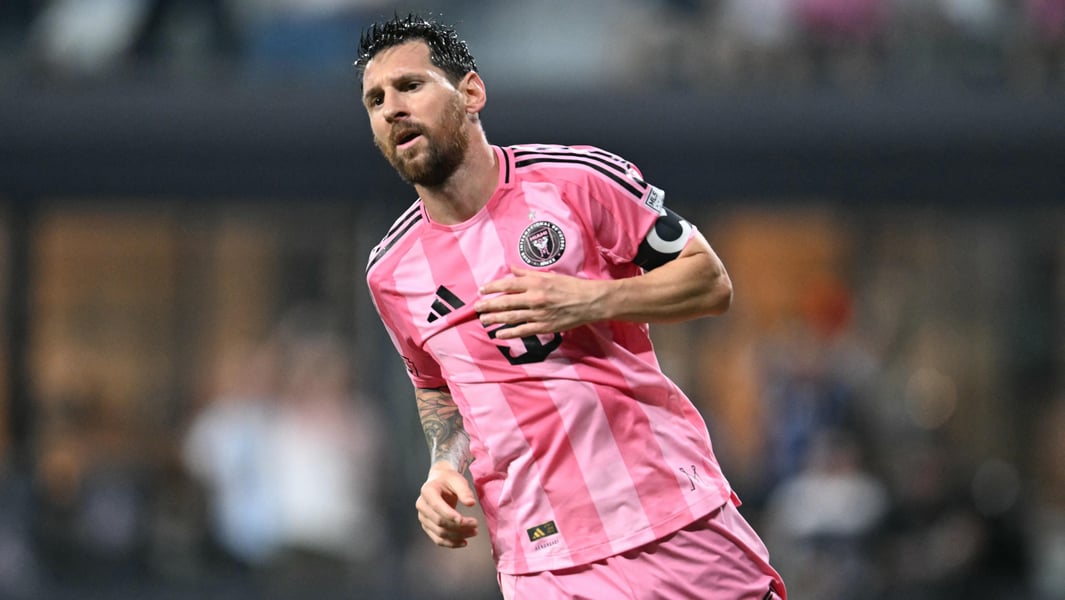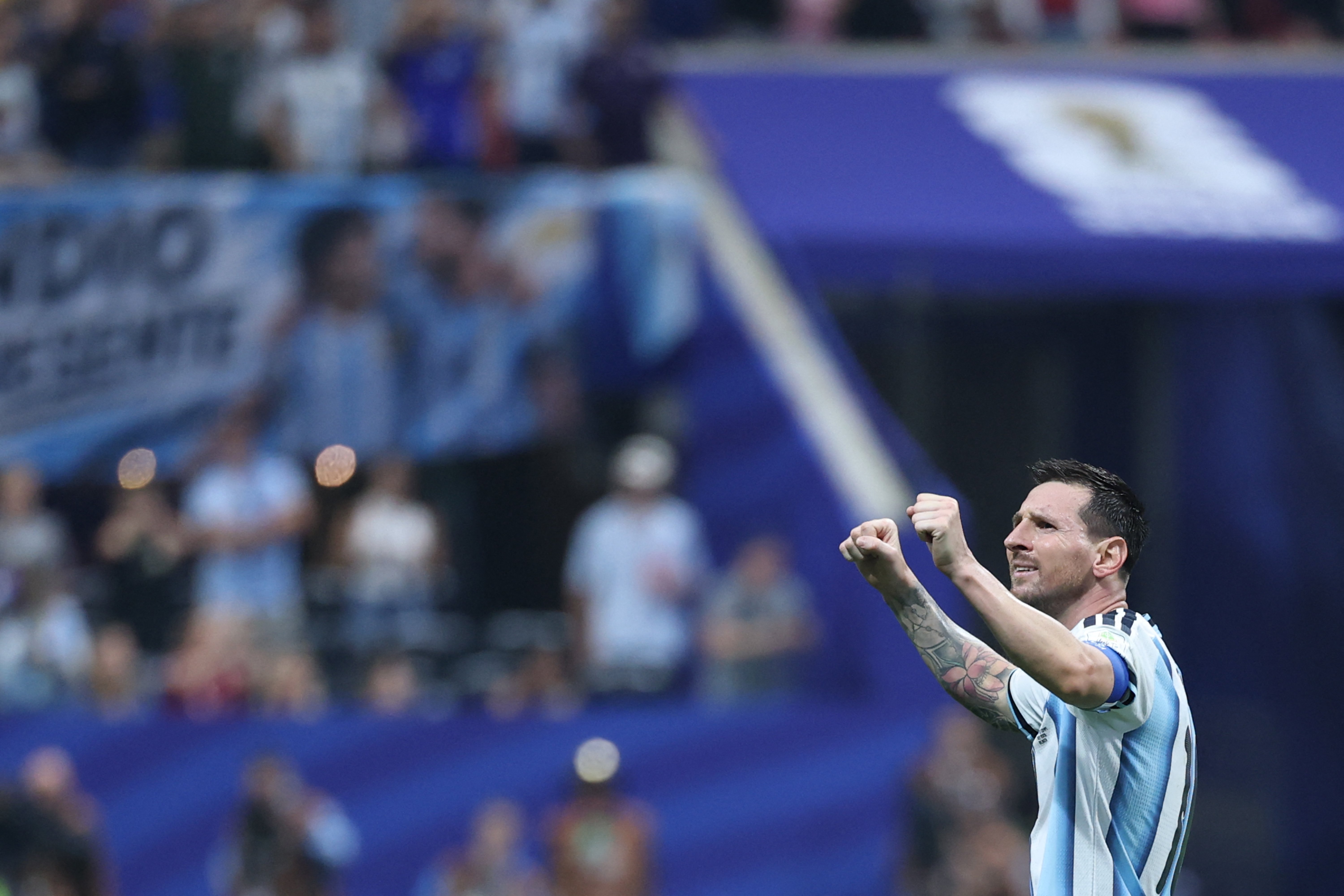

KANSAS CITY – In the last act of the greatest World Cup story of this generation, Lionel Messi walks onto the field at Kansas City Stadium on Saturday carrying the weight of what may be his final genuine chance at a second title. He is 39 years old. He has eight goals in five matches. He has an Opta supercomputer that gives his team a 57.1 percent chance of winning in regulation. None of it changes the fact that Switzerland, a team that spent 72 years waiting for this moment, has nothing to fear.
The quarterfinal that kicks off at 8pm local time (01:00 GMT Sunday) matches Argentina’s defending-champion pedigree against Swiss resilience that has been the defining story of the tournament’s dark horse narrative. Murat Yakin’s side topped Group B unbeaten, then defeated Colombia on penalties in a last-16 battle that tested every nerve in a stadium of 60,000 at BC Place in Vancouver. That Colombia shootout victory confirmed something the Swiss had spent decades trying to prove: they can absorb sustained pressure and punish the moment an opponent blinks.
Yakin was direct before the match. “Argentina are not invincible,” the Switzerland head coach said, and his players have earned the right to believe it.
Argentina’s path to this quarterfinal has carried its own complications. The defending champions topped their group with the expected authority, but the knockout rounds exposed something less comfortable. They needed extra time to eliminate Cape Verde. Their last-16 win over Egypt arrived in contentious fashion, a match where Argentina’s opening goal drew sustained complaints from Egyptian players. Against Switzerland, the margin for those kinds of circumstances is narrower.
Messi’s numbers tell one version of the story. Eight goals in five matches puts him second in the Golden Boot standings behind Kylian Mbappé. The 2014 meeting between these sides, a 1-0 Argentina win in which Messi turned the game in extra time, lingers in the historical record as a reminder of what he is capable of in high-pressure elimination football. Only three players from that match remain: Messi for Argentina, and Granit Xhaka and Ricardo Rodriguez for Switzerland.
The other version is more complicated. Switzerland’s defensive structure has been the most organized of any team in the bottom half of the bracket, and Yakin has built his shape around limiting the kind of central supply lines that feed Messi in the positions where he is most dangerous. If Argentina’s midfield cannot break Switzerland’s press in the first 30 minutes, this becomes a match defined by patience, and Yakin has made patience his team’s signature throughout this tournament.
Breel Embolo leads Switzerland’s attack, though Johan Manzambi, one of their most dynamic options in the knockout rounds, is ruled out with a knee injury sustained against Colombia. The loss reduces Switzerland’s capacity to counter at pace, meaning Yakin may set up to absorb pressure and force Argentina into lateral movement for long stretches of each half.
The World Cup 2026 quarterfinal power rankings had Argentina placed third among the final eight, behind France and Spain, with Switzerland ranked last. The Opta supercomputer gives the defending champions a 57.1 percent chance of a regulation win, with Switzerland at 18.7 percent and a 24.2 percent probability the match goes to extra time, according to Al Jazeera’s pre-match analysis. Head-to-head, Argentina lead the all-time series 5-2, including two World Cup meetings.
What those numbers do not capture is the specific texture of this Swiss team’s tournament. Switzerland have not conceded a goal in the knockout rounds. Their penalty shootout win over Colombia confirmed their capacity to stay organized when the match tilts against them. Their defensive discipline has been consistent enough that calling them a low-block team undersells the sophistication of what Yakin has built.
Argentina’s concern is the gap between individual brilliance and collective performance that has emerged at moments in this tournament. Messi can win this match single-handedly, as he has done at stages throughout his career. He can also be neutralized if Switzerland close his channels early and force Argentina’s other attackers to carry the weight for 90 minutes. No other Argentina player has shown the capacity to be decisive when Messi is being managed tightly.
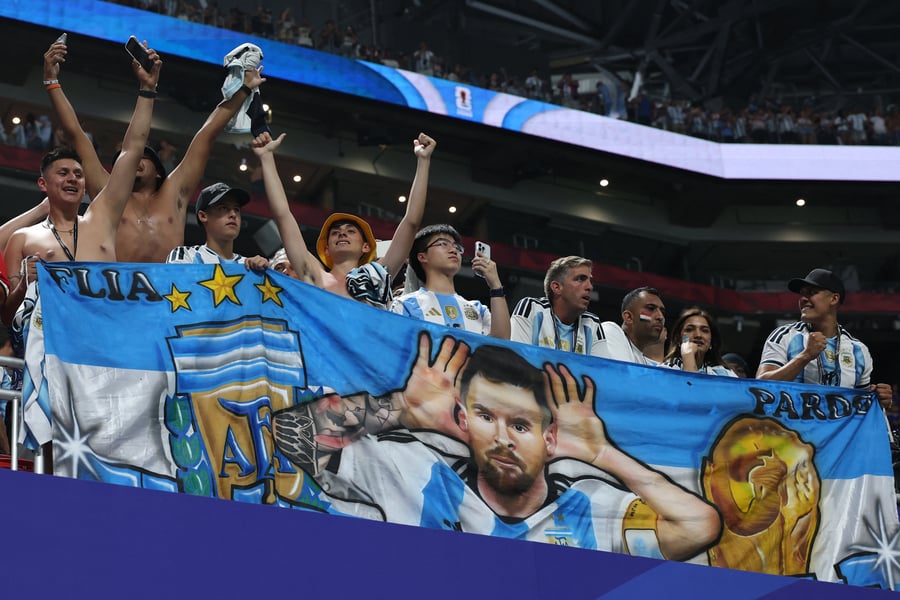
At Kansas City Stadium, the crowd will be divided between South American supporters and the Swiss diaspora that has followed Yakin’s team through a historic run. The match kicks off in the evening heat, when conditions favor the kind of sustained pressing that Switzerland need to disrupt Argentina’s rhythm early. The stadium has hosted some of the most intense atmosphere of this tournament’s American leg.
If Argentina progress, Messi moves one step closer to a second consecutive championship that would close the circle on an international career that has already produced everything except a repeat. If Switzerland hold their shape long enough to force extra time, that 24.2 percent becomes a legitimate opening for one of the tournament’s most significant upsets.
Messi, at 39, has not announced retirement plans, but this tournament, his last with Argentina at the peak of his powers, hangs over every match he plays in it. Nobody has fully explained what happens in Argentine football if this ends in a Kansas City defeat.
Switzerland’s plan is the simplest one: stay compact, force errors, and trust the goalkeeper when the moments come. They did it for 120 minutes against Colombia. For 90 minutes against Argentina, they need to do it again.