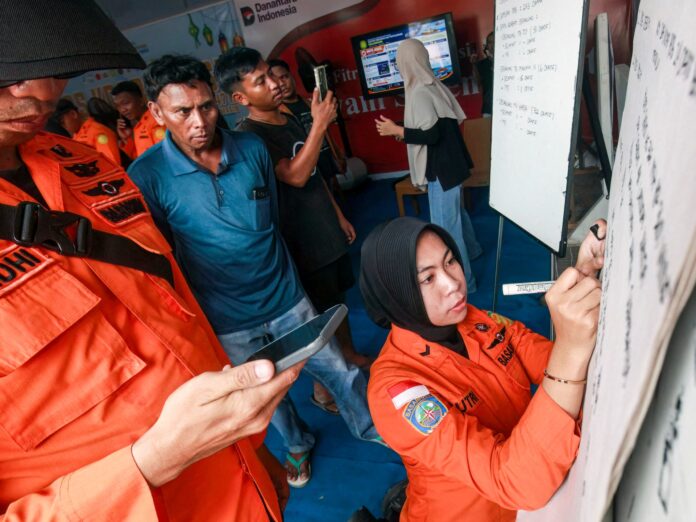

ISLAMABAD – Pakistani rescue teams recovered four bodies from the slopes of Broad Peak on Thursday after an avalanche struck a group of ten climbers earlier in the week, leaving six still missing as deteriorating weather blocked helicopters from reaching the high-altitude search zone.
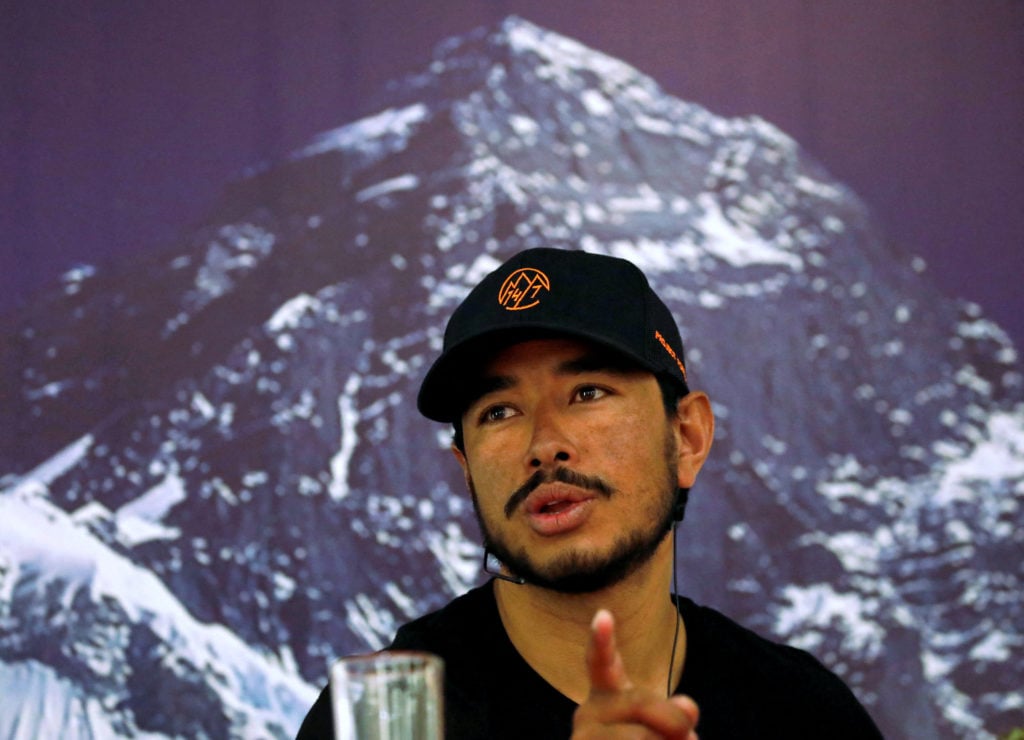
The group was struck during a descent from a summit attempt at one of the Karakoram’s most technically demanding mountains. Among those hit was Nirmal Purja, the Nepali mountaineer known globally as Nims Dai, whose 2021 Netflix documentary 14 Peaks brought the culture of 8,000-meter climbing to a mass audience. Purja’s team communications went silent before rescuers could establish his status; his satellite link, maintained as a standard safety protocol on his expeditions, produced no updates after the event.
Pakistani Army helicopters were deployed to the area as conditions allowed, with the military confirming search operations were ongoing. High winds and cloud cover over the Karakoram forced repeated pauses. The last known contact with the group came on Thursday; the avalanche is believed to have struck during the descent window on the same day.
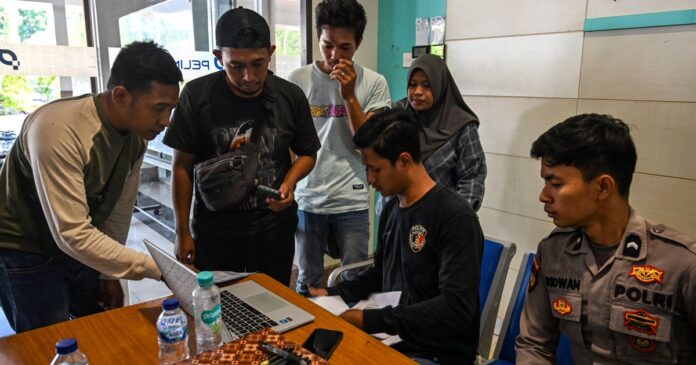
The ten climbers carried passports from five countries. Among those identified were five Nepali climbers, a Pakistani national named Sohail Sakhi, an Omani climber identified as Nathira, an American named Mallory Geis, 39, from San Antonio, Texas, and a Chinese national identified as Wang. The sequence in which victims have been located and the specific nationalities of the four recovered bodies were not confirmed in official statements as of this report.
Broad Peak, at 8,051 meters the twelfth-highest mountain on Earth, sits on the Pakistan-China border approximately ten kilometers from K2. It is part of the circuit of fourteen mountains above 8,000 meters that defines the highest tier of mountaineering achievement. Purja climbed all fourteen in 2019 in 189 days, a record that formed the basis of the Netflix film and established his profile outside specialist mountaineering circles.
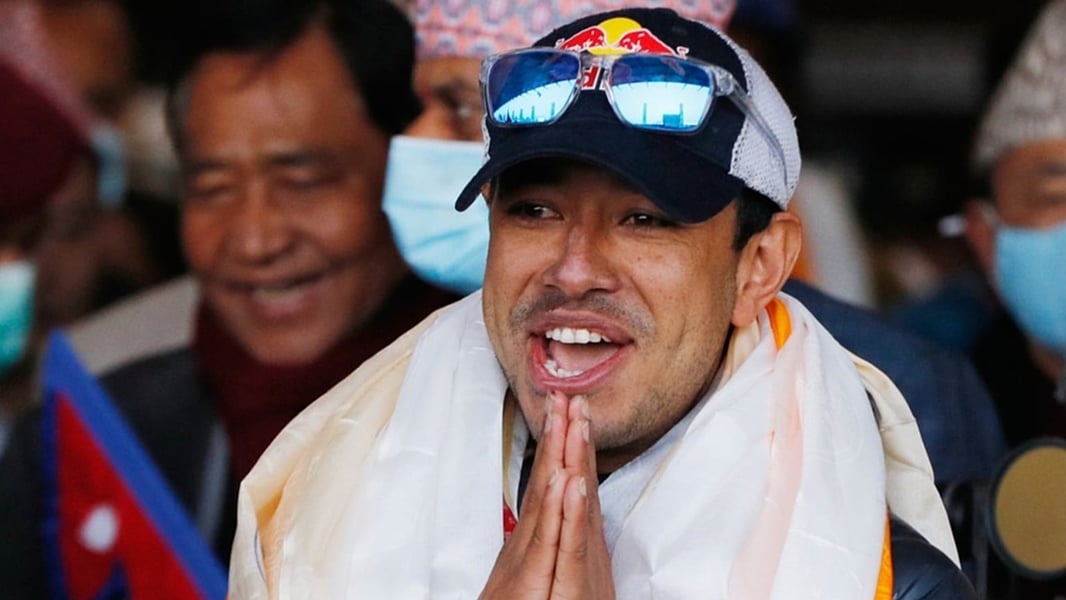
The Netflix exposure created a version of Purja in popular perception that diverged from the physical reality of 8,000-meter climbing: audiences absorbed his record as evidence of near-invulnerability, not as a demonstration of exceptional risk management under conditions where the margins are narrow for any climber regardless of preparation. The events on Broad Peak contradict that perception directly.
Avalanche risk on Broad Peak is highest during descent, when climbers are fatigued and moving on slopes they have already assessed as safe on the ascent. Temperature shifts between late morning and afternoon can destabilize seracs and snow slopes that were stable at night. The specific trigger for Thursday’s avalanche had not been identified in official Pakistani statements.
The deaths follow a dangerous season on Pakistan’s high peaks. The country hosts five of the world’s fourteen 8,000-meter mountains, and its Gilgit-Baltistan region draws international teams between June and August. Pakistani mountaineer Naila Kiani became the second woman from the country to summit Everest in 2023, expanding the visibility of Pakistan’s high-altitude tradition at precisely the moment international climbers were arriving in greater numbers.
Rescue operations at elevations above 7,000 meters reduce helicopter effectiveness to narrow temperature and wind windows. Ground teams approaching from base camp face multi-day ascents under conditions that may have worsened since the initial event. Pakistani Army aviation units have significant experience operating in the Karakoram, but the combination of altitude, cold, and post-avalanche slope instability limits what any rescue force can accomplish.
Purja’s mountaineering record and his unit background, including his service with the British Special Boat Service before turning professional mountaineer, meant his silence was read quickly by the climbing community as a serious indicator. His expeditions run professional-grade communications precisely because the margin for confusion about a team’s status is narrow at extreme altitude. The absence of any update from his link after the avalanche is not ambiguous in that context.
Pakistani officials indicated rescue operations would continue as long as weather permitted, according to Euronews. The families of the identified victims were being notified through their respective national governments and expedition operators. Six climbers remained unaccounted for as of Thursday evening local time; the search was expected to continue through the weekend if conditions allowed.