
PHILADELPHIA — Last Saturday at the ACME Markets on Crittenden Street in Chestnut Hill, a $650,000 lottery ticket was purchased. Five days later, nobody has come forward to claim it.
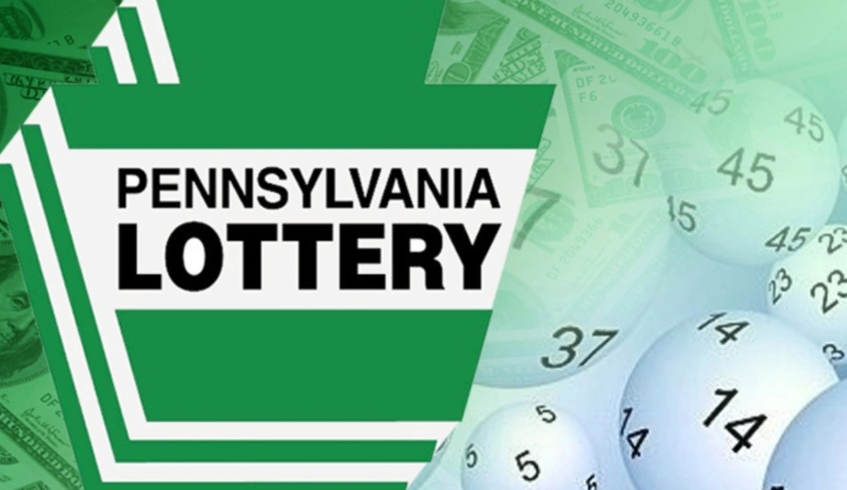
The Pennsylvania Lottery announced that a Cash 5 with Quick Cash jackpot ticket, matching all five numbers drawn on the evening of August 15, was sold at the ACME Markets at 7700 Crittenden Street in Philadelphia’s Chestnut Hill neighborhood. The winning combination was 1, 15, 19, 20, and 26.
The jackpot amount is $650,000. ACME Markets will receive a $5,000 retailer bonus from the Pennsylvania Lottery for selling the winning entry, a standard incentive the state pays to licensed retailers that generate jackpot wins, whether they are grocery chains, convenience stores, or gas stations. For a store that might process several hundred lottery transactions a week, a jackpot win is a quiet distinction: the retailer gets a bonus, a notice goes out from the lottery, and somewhere among the receipts from last Saturday is a customer the state would very much like to hear from.
Saturday’s draw was not a quiet evening for Cash 5 players elsewhere in Pennsylvania. More than 13,900 other tickets won prizes in the same drawing at sharply lower amounts. Cash 5 with Quick Cash distributes winnings across multiple prize tiers below the jackpot, with amounts that can range from a few dollars to several hundred depending on how many numbers a player matched and whether the Quick Cash add-on was included. The top jackpot is reserved for anyone who matched all five numbers. The lottery puts the odds of doing that at approximately one in 962,598.
Cash 5 is one of the Pennsylvania Lottery’s daily draw games, resetting each evening with a rolling jackpot that begins at $125,000 and climbs with every non-winning draw until someone wins. The August 15 jackpot had been building across prior drawings before the Chestnut Hill ticket ended the streak at $650,000. The “Quick Cash” component is a $1 optional add-on purchased at the point of sale; it multiplies non-jackpot tier prizes but does not affect the jackpot itself.
The winner has until August 15, 2027 to step forward. Pennsylvania Lottery prizes must be claimed within one year of the draw date, or the money is forfeited to the Lottery Fund. That fund supports older Pennsylvanians through programs including nursing home care, transportation assistance, prescription drug subsidies, and property tax relief for seniors. The mechanism is designed to ensure unclaimed money stays in the public benefit system rather than disappearing, though it still represents a $650,000 opportunity that could simply expire.
Players who believe they may be holding the winning ticket are advised to sign the back immediately and store it securely. Prizes above $600 cannot be paid at a retail counter; they require an in-person visit to a Pennsylvania Lottery regional office or a documented mail claim. Philadelphia has a regional lottery office, which would make the process relatively accessible for anyone who lives or works nearby. Players with questions can call 1-800-692-7481 or visit the Pennsylvania Lottery’s official website, where claim instructions are posted for all prize tiers.

Whether the winning ticket is currently sitting in a wallet, a kitchen drawer, or a jacket pocket is anyone’s guess. Lottery officials have noted in past cases that unclaimed large prizes are not unusual in the early days after a draw: players sometimes check their tickets late, discover old winnings months after the fact, or (in exceptional cases) never claim at all. Pennsylvania’s lottery archives contain a small number of expired jackpots where winning tickets were purchased but nobody appeared to collect.
The August 15 prize is among the larger Cash 5 payouts in Pennsylvania this year. It does not reach the scale of the multistate games: the Powerball jackpot in Illinois reached $1.04 billion earlier this month, and a Mega Millions jackpot winner in Bradenton, Florida, collected $803 million in late July, but Cash 5 draws a consistent daily player base that those games do not, built on lower ticket prices and nightly draws that reset rather than compound across weeks until a national headline threshold is crossed.
Pennsylvania is among the states that allows jackpot winners to claim through a corporate entity or trust, a strategy that has become standard for large lottery winners who prefer to keep their identity private. Even so, a $650,000 prize taken as a lump sum carries a meaningful federal tax liability, plus Pennsylvania’s 3.07% state income tax rate, before the winner sees a net figure.
What is certain is that the ticket exists, was sold in Chestnut Hill on August 15, and is worth $650,000 until August 15, 2027. Everything else: who bought it, whether they know what they are holding, and whether they will appear, remains open.